Oil & gas · drilling, production, camps
Oman Chemical supplies drilling, production and maintenance chemicals to oil and gas operators and their contractors across Oman from its warehouse in Barka. The range covers rig wash, drilling-fluid additives, demulsifiers, corrosion inhibitors, H2S and oxygen scavengers, glycols and oil-spill response, each with an RXSOL part number and an MSDS on request.
- Trading since 1995
- Warehouse in Barka
- About 7,000 products
- MSDS on request

Where chemicals are used on an oilfield
Oil from Oman's interior fields often comes up with large volumes of water, and many wells also carry carbon dioxide or hydrogen sulphide. That mix drives most chemical demand: drilling the well, separating oil from water, protecting steel, and keeping rigs and plants clean.
Drilling fluids
The mud has to carry cuttings to surface, hold back formation pressure, keep its pH and stop reactive shale from swelling.
Chemical typesViscosifiers such as xanthan gum and guar gum; caustic soda, soda ash and potassium hydroxide for pH and alkalinity; calcium carbonate as a bridging and weighting material; stearic acid used in some oil-based mud systems.
Separating oil and water
Produced fluids form water-in-oil emulsions that do not separate on their own, and the water that does separate carries oil that must be removed before disposal or injection.
Chemical typesDemulsifiers (emulsion breakers) selected by bottle test on the field's own crude; reverse demulsifiers for oily produced water; antifoams for separators.
Corrosion and souring
CO2, H2S and dissolved oxygen attack carbon-steel flowlines, tubing and tanks, and sulphate-reducing bacteria in injection water make H2S worse.
Chemical typesFilm-forming corrosion inhibitors, H2S scavengers, oxygen scavengers for injection and utility water, and biocides.
Gas handling
Wet gas forms solid hydrates that block lines when it cools under pressure, and sales gas must be dried.
Chemical typesMono ethylene glycol (MEG) injected for hydrate control; triethylene glycol (TEG) as the absorbent in glycol dehydration units.
Rig, yard and equipment cleaning
Drill floors, mud tanks, pipe racks and engines collect oil, mud and grease that make surfaces unsafe and hide damage.
Chemical typesRig wash (ready-to-use and concentrate), oil sludge cleaners and heavy-duty degreasers.
Spills and camps
Every site needs spill kits, and the camps that house crews run their own water and power plants.
Chemical typesAbsorbents and oil-spill dispersants; water treatment for camp RO units, boilers and chillers and sewage plants; coolants for gensets.
Oilfield chemicals buyers order most
Ordered by our own sales records: the products customers in Oman reorder most come first.
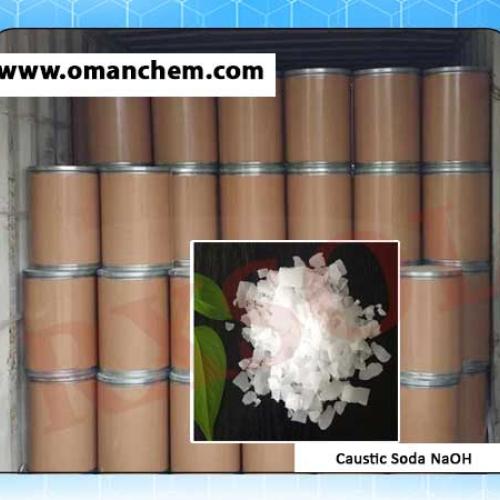 Caustic SodaRXSOL-19-1498Bestseller
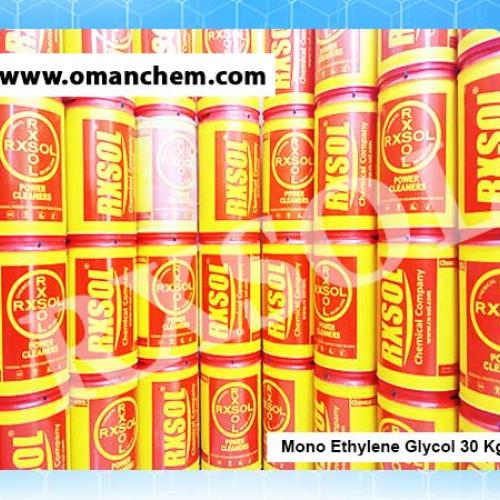 Mono Ethylene GlycolRXSOL-19-1210Bestseller
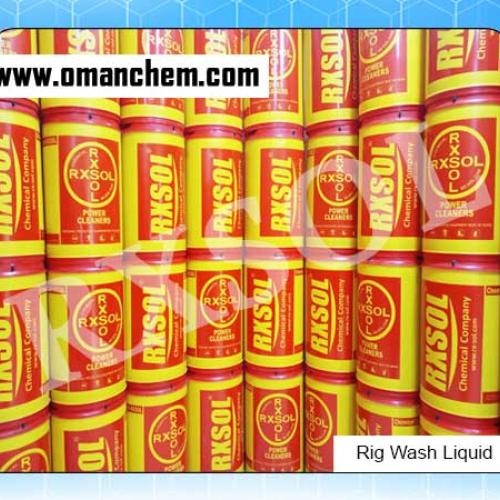 Rig Wash LiquidRXSOL-16-1042Bestseller
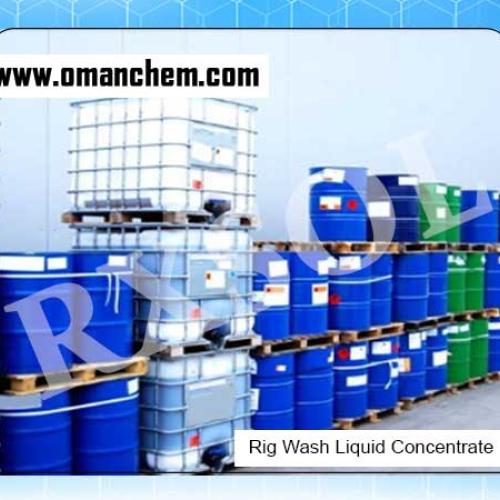 Rig Wash Liquid ConcentrateRXSOL-16-1014Bestseller
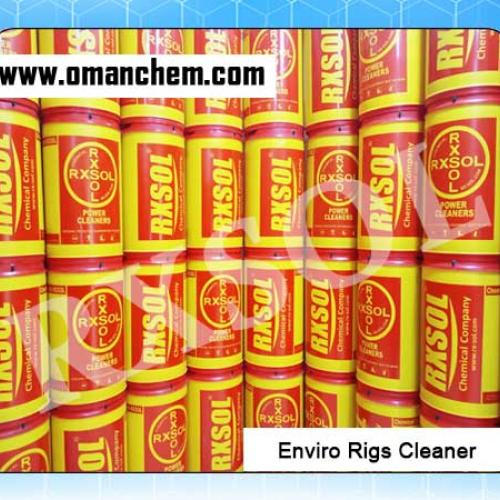 Enviro Rigs CleanerRXSOL-16-3001Bestseller
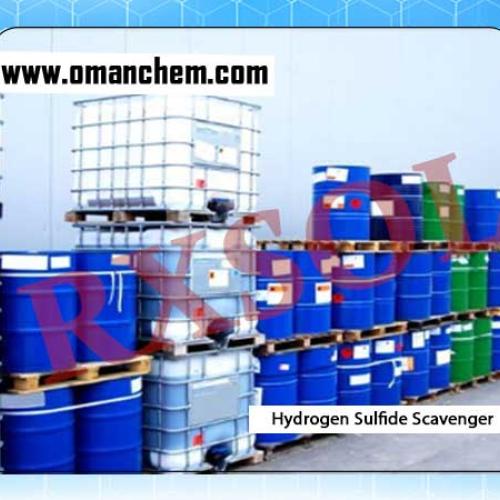 Hydrogen Sulfide ScavengerRXSOL-11-5014Bestseller
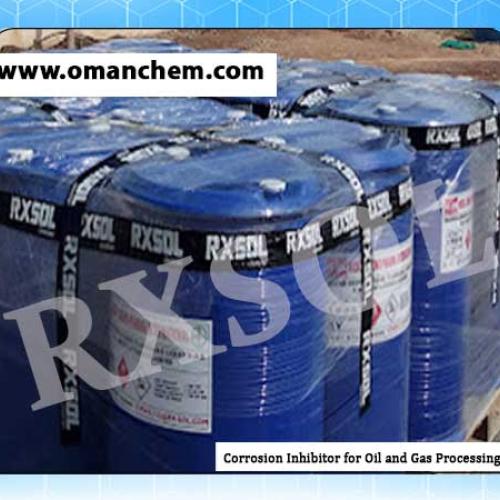 Corrosion Inhibitor for Oil and Gas ProcessingRXSOL-34-1047Bestseller
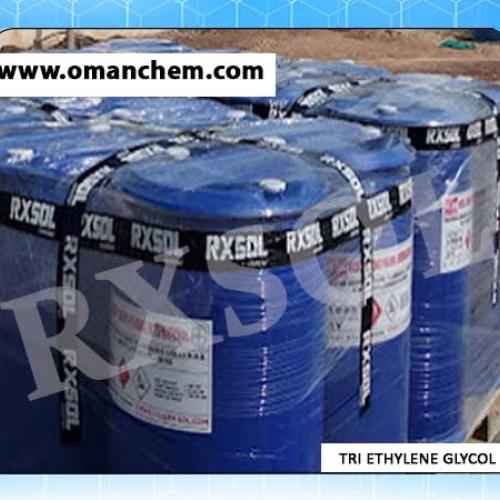 Tri Ethylene GlycolRXSOL-19-1464Bestseller
Also supplied for this work
- Potassium Hydroxide Flakes KOHRXSOL-19-1613
- Stearic AcidRXSOL-81-8120
- Corrosion InhibitorRXSOL-16-1047
- Oxygen ScavengerRXSOL-44-6119
- Guar Gum PowderRXSOL-81-8129
- Xanthan GumRXSOL-60-6552
- Calcium CarbonateRXSOL-95-8109
- Demulsifier Emulsion BreakerRXSOL-16-2064
- Oil Sludge Cleaner Heavy VOLCRXSOL-20-3300
- Oil Spill Dispersant Type-III 210 LtrsRXSOL-17-1047
Part numbers are RXSOL codes; quote them when you order. See this industry in the catalogue
Oilfield product categories
Oilfield chemicals: questions buyers ask
Do you supply drilling mud additives in Oman?
Yes. We supply viscosifiers such as xanthan gum and guar gum, pH and alkalinity control chemicals (caustic soda, soda ash and potassium hydroxide), calcium carbonate and other mud chemicals. Send the mud programme or your product list and we quote against it.
How is a demulsifier chosen?
Demulsifier performance depends on the crude, the water chemistry and the temperature, so the choice is made by bottle testing candidates on a fresh sample from the field. We can supply candidate products for testing; our bottle-testing guide below explains the method.
What is the difference between an H2S scavenger and a corrosion inhibitor?
An H2S scavenger reacts with hydrogen sulphide and removes it from gas, oil or water. A corrosion inhibitor forms a protective film on steel that slows attack from CO2, H2S and oxygen. Sour systems usually need both.
Which glycol is used for hydrate control and which for gas dehydration?
Mono ethylene glycol (MEG) is injected into wet gas lines to stop hydrates forming. Triethylene glycol (TEG) is the usual absorbent in glycol dehydration units. We supply both.
Is rig wash available as a concentrate?
Yes. Rig wash is available ready to use and as a concentrate that is diluted on site. Tell us the quantity you need and we confirm the pack sizes with the quote.
Do you deliver to interior fields and camps?
We deliver across Oman from Barka. Give us the field or camp location with your inquiry and we confirm the delivery arrangement with the quote.
Buying guides
- Demulsifier for Crude Oil Emulsion: Bottle Testing Guide for Oman OilfieldsIf your separator sends wet crude to the tank, choose your demulsifier for crude oil emulsion with a bottle test on your own fluid.
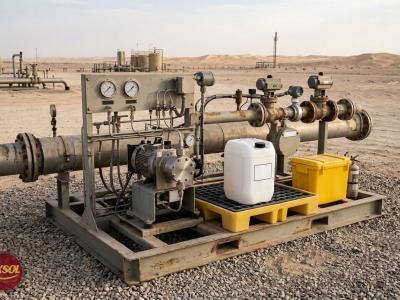 Oxygen Scavenger Dosage for Oilfield Injection Water in Oman
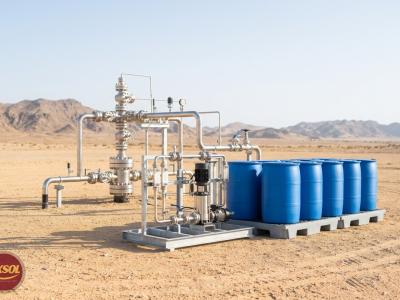 Ethylene Glycol for Gas Well Hydrate Control in Oman: A Field Guide
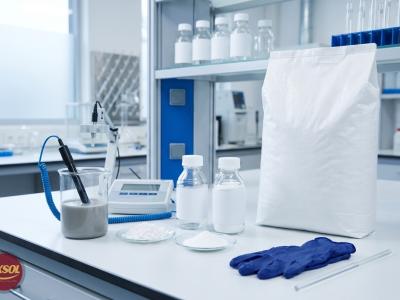 Caustic Soda and Soda Ash for Drilling Mud pH Control in Oman
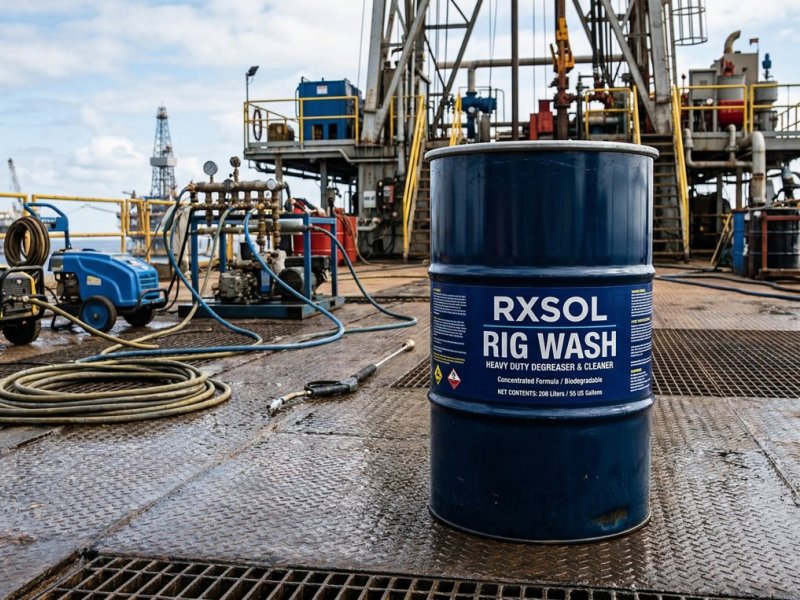 What Is Rig Wash? Uses, Benefits & Buying Guide in Oman
Also on omanchem.com: