Metal treatment · fabrication and workshops
Fabrication shops, workshops and plants in Oman use metal treatment chemicals to clean, pickle, passivate and protect steel. Oman Chemical supplies pickling paste and spray for stainless welds, passivation liquids, rust removers and converters, phosphoric acid, galvanising fluxes and test kits to check the result, from Barka with RXSOL part numbers and MSDS.
- Trading since 1995
- Warehouse in Barka
- About 7,000 products
- MSDS on request

Metal problems and the chemicals that solve them
Humid, salty coastal air makes corrosion the first problem for steel in Oman. Stainless steel fabricated for oil, gas, desalination and food plants must be pickled and passivated after welding to restore its corrosion resistance, and carbon steel needs rust removal and protection.
Stainless steel pickling
Welding leaves heat tint and a chromium-depleted layer where corrosion starts.
Chemical typesPickling paste, gel or spray based on nitric and hydrofluoric acids, then neutralising and rinsing.
Passivation
Free iron from tools and grinding spoils the passive chromium oxide layer on stainless steel.
Chemical typesNitric acid or citric acid based passivation solutions, then a ferroxyl or similar test for free iron.
Rust removal and conversion
Rust on carbon steel must go before painting, and some surfaces cannot be blasted.
Chemical typesPhosphoric acid rust removers, oxalic acid for rust stains, and rust converters that turn remaining rust into a stable layer for painting.
Pretreatment before painting
Oil and oxide stop paint and powder coat from bonding.
Chemical typesAlkaline degreasers and phosphoric acid based phosphating treatments.
Galvanising and soldering
Steel must be oxide-free for zinc or solder to wet it.
Chemical typesZinc chloride and ammonium chloride fluxes.
Storage protection
Machined and stored parts rust between production and use.
Chemical typesRust preventives and temporary corrosion inhibitors.
Metal treatment chemicals buyers order most
Ordered by our own sales records: the products customers in Oman reorder most come first.
 Rust RemoverRXSOL-16-1088Bestseller
 Phosphoric Acid 47 to 50RXSOL-19-1105Bestseller
 Rust ConvertorRXSOL-28-1050Bestseller
 Passivation Liquid RXRXSOL-20-2401Bestseller
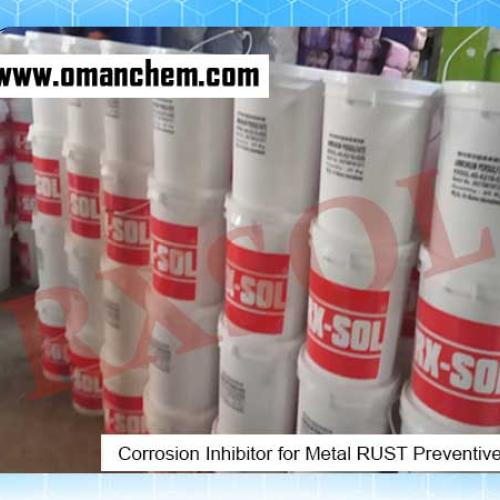 Corrosion Inhibitor for Metal Rust PreventiveRXSOL-16-1027Bestseller
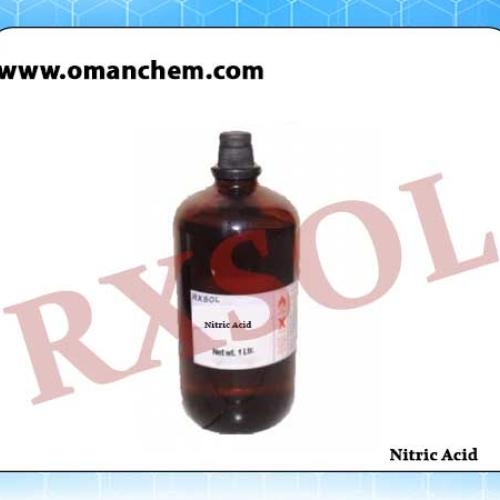 Nitric AcidRXSOL-19-1390
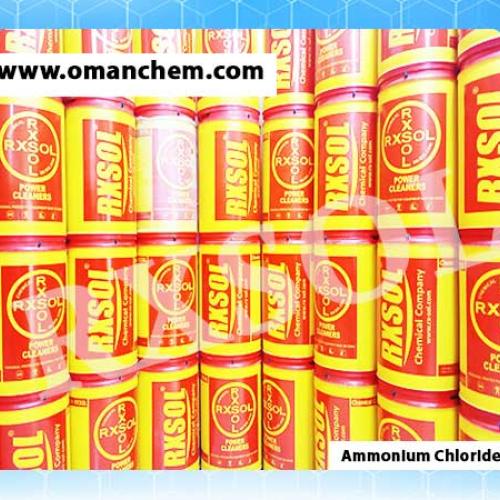 Ammonium ChlorideRXSOL-19-1530
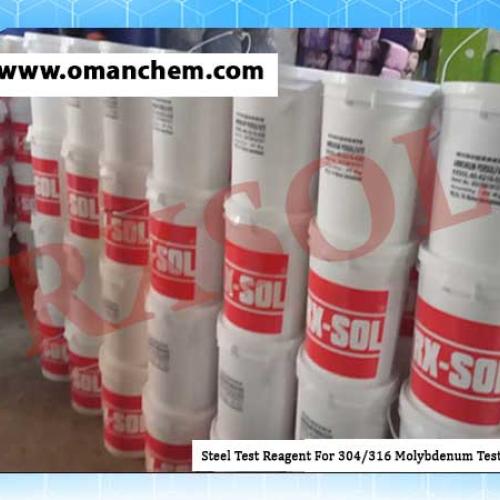 Steel Test Reagent For 304/316 Molybdenum TestRXSOL-41-8884
Also supplied for this work
- Oxalic AcidRXSOL-19-1303
- Ferroxyl Test Kit for free Iron passivationRXSOL-62-5527
- Pickling Paste GreenRXSOL-68-6802
- Pickling SprayRXSOL-68-6804
- Pickling Paste NeutralizerRXSOL-68-6803
- Zinc ChlorideRXSOL-60-6141
- Steel Strip Cleaner AlkalineRXSOL-68-6809
Part numbers are RXSOL codes; quote them when you order. See this industry in the catalogue
Metal treatment product categories
- Metal Treatment90 products
- Passivation18 products
- Rust Clean & Protect28 products
- Foundry Ind Chemicals7 products
Industrial & construction in the catalogue Search all products
Metal treatment chemicals: questions buyers ask
Why must stainless steel be pickled and passivated after welding?
Welding heat leaves an oxide tint and a chromium-depleted layer, and fabrication leaves free iron on the surface. Both are points where rust starts. Pickling removes the damaged layer, and passivation rebuilds the protective chromium oxide film.
Nitric acid or citric acid for passivation?
Both remove free iron and let the passive film form. Citric acid is safer to handle and gives off no nitrous fumes; nitric acid is the traditional choice. Follow the specification your client sets.
How is passivation checked?
With a ferroxyl test, where blue spots show free iron, or a copper sulphate test. We supply ferroxyl test kits and copper sulphate for passivation testing.
What is the difference between a rust remover and a rust converter?
A rust remover dissolves rust back to bare metal. A rust converter reacts with rust that remains and turns it into a stable layer that can be painted over. Use a converter where blasting or full removal is not practical.
What safety precautions does pickling paste need?
It contains hydrofluoric acid. Use full acid PPE, ventilation, calcium gluconate gel for first aid, and neutralise the rinse water. Never let paste dry on the surface.
Buying guides
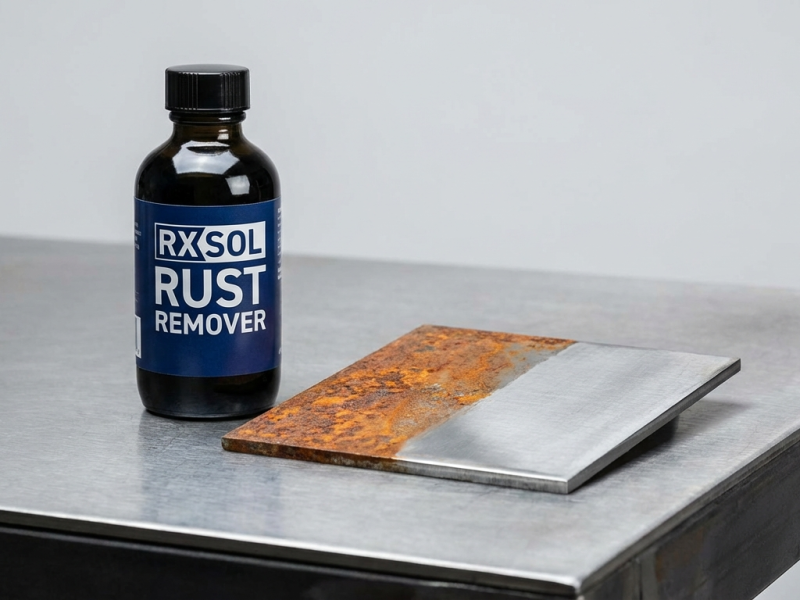 How to Use Rust Remover: Dosage, Application & Safety Guide
- What Is Rust Remover? Uses, Benefits & Buying Guide in OmanRust remover is a chemical product designed to dissolve, loosen, or lift iron oxide from metal surfaces so equipment, tools, tanks, pipelines.
- What Is Corrosion Inhibitor? Uses, Benefits & Buying Guide in OmanCorrosion is one of the most expensive hidden problems in industrial systems.
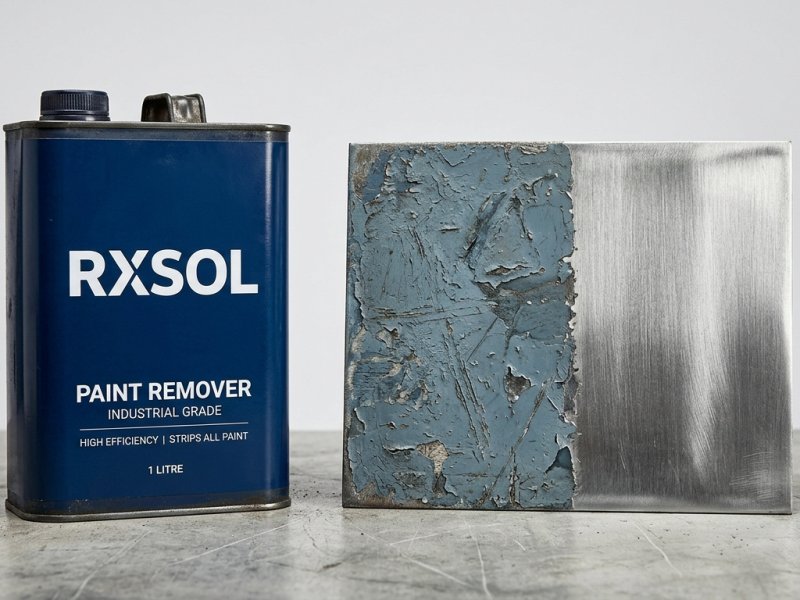 What Is Paint Remover? Uses, Benefits & Buying Guide in Oman