Cooling towers, chillers, boilers & power plants
Cooling towers, chilled-water loops and boilers need scale and corrosion inhibitors and biocides, and boilers also need oxygen scavengers and alkalinity control. Oman Chemical supplies these water treatment chemicals, and the test kits to control them, to district cooling, power and industrial plants, hotels, malls and camps across Oman from its warehouse in Barka.
- Trading since 1995
- Warehouse in Barka
- About 7,000 products
- MSDS on request

Water treatment problems and the chemicals that solve them
Summer heat in Oman pushes cooling systems hard. Evaporation concentrates the salts in tower water, warm water grows bacteria and algae fast, and make-up water ranges from hard, chloride-rich well water to desalinated water that is soft and corrosive.
Open cooling towers
Concentrated salts form calcium carbonate scale on heat exchangers, the water corrodes steel and copper, and the warm, aerated basin grows algae, slime and Legionella.
Chemical typesScale and corrosion inhibitors (phosphonate and polymer based, with an azole where copper is present); bleed-off controlled by conductivity; an oxidising biocide such as hypochlorite for continuous control, alternated with a non-oxidising biocide; dispersants.
Closed loops and chillers
Chilled-water and process loops lose little water, so one treatment charge lasts, but oxygen, mixed metals and bacteria still cause corrosion.
Chemical typesNitrite or molybdate based closed-loop inhibitors with an azole for copper; a non-oxidising biocide for closed systems. Nitrite is for closed loops only.
Steam boilers
Hardness forms scale on tubes, dissolved oxygen causes pitting, and low pH attacks steel in the boiler and condensate lines.
Chemical typesSoftened or demineralised feed water; oxygen scavengers such as sodium sulphite or DEHA; phosphate or polymer internal treatment for residual hardness; alkalinity builders; condensate treatment.
Descaling and cleaning
Heat exchangers, chiller condensers and plate coolers lose efficiency as scale builds up.
Chemical typesInhibited acid descalers and sulphamic acid, always with a corrosion inhibitor and followed by neutralising and flushing.
Testing and control
Under-dosing lets scale and corrosion start; over-dosing wastes chemical and can cause deposits.
Chemical typesTest kits for parameters such as nitrite, hardness, alkalinity, chloride and pH, plus dip slides for microbial counts.
Water treatment chemicals buyers order most
Ordered by our own sales records: the products customers in Oman reorder most come first.
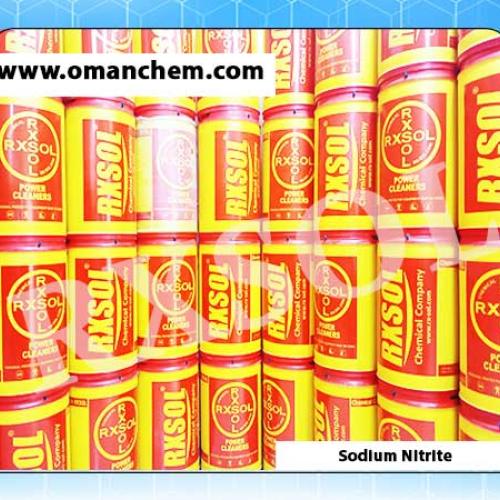 Sodium NitriteRXSOL-19-1525Bestseller
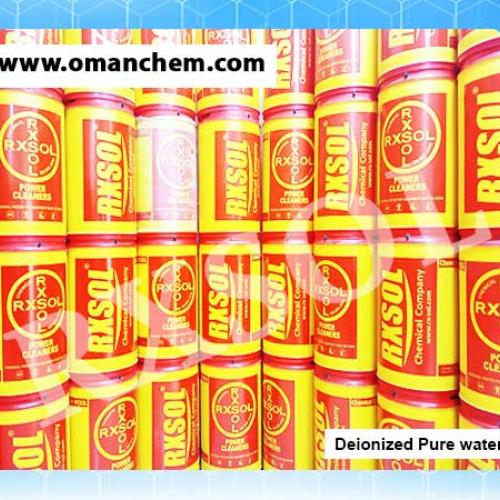 Deionized Pure waterRXSOL-19-1288Bestseller
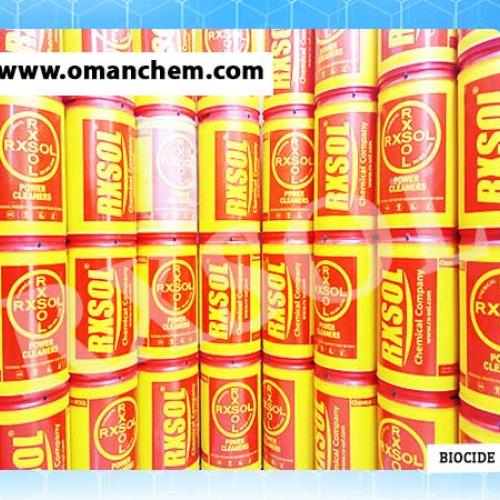 BiocideRXSOL-40-4008Bestseller
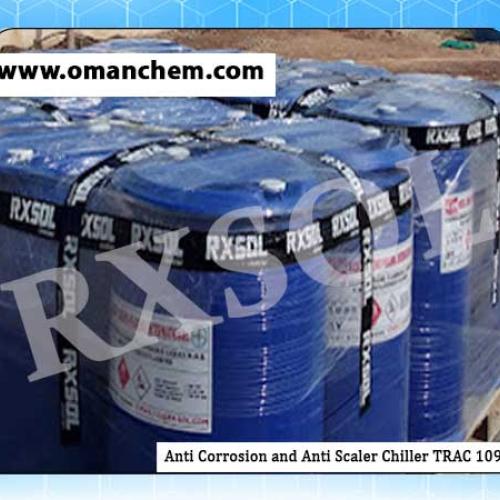 Anti Corrosion and Anti Scaler Chiller Trac 109RXSOL-43-4301Bestseller
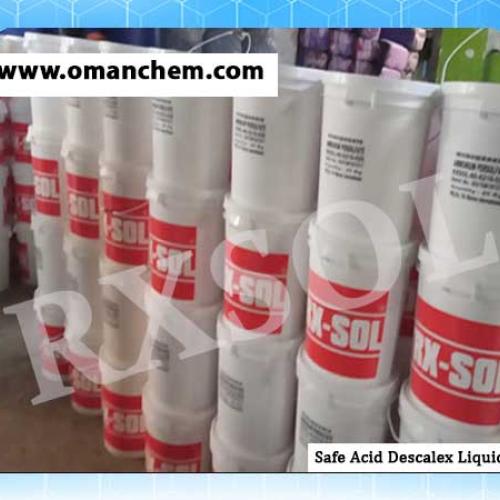 Safe Acid Descalex LiquidRXSOL-54-1048Bestseller
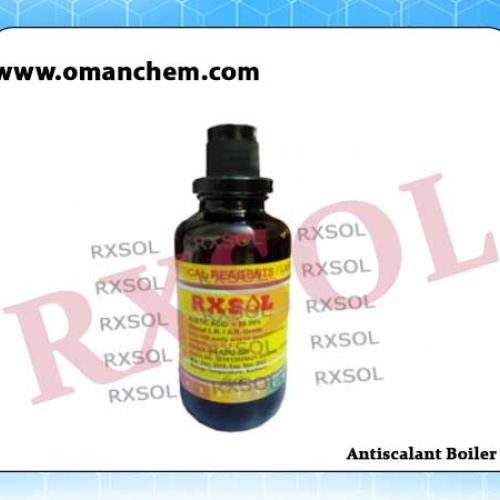 Antiscalant BoilerRXSOL-60-6005Bestseller
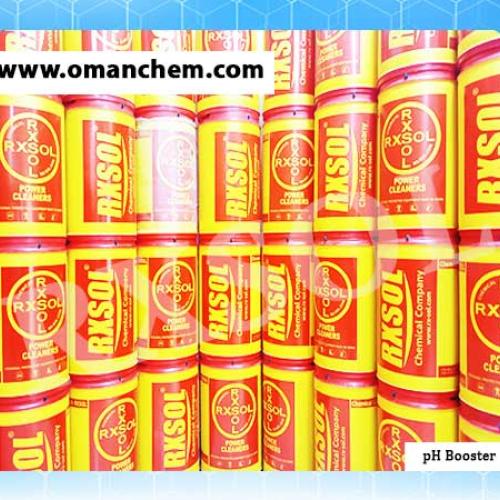 PH BoosterRXSOL-40-5024Bestseller
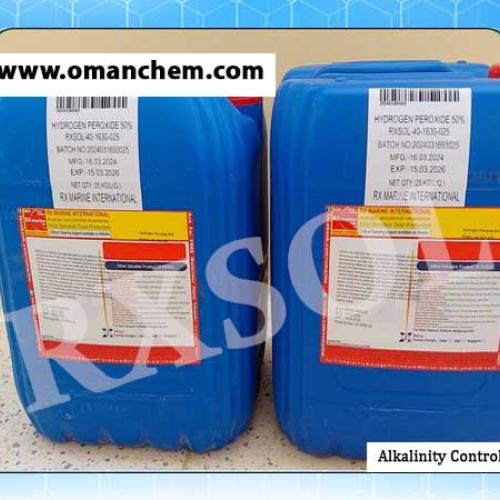 Alkalinity ControlRXSOL-50-5002Bestseller
Also supplied for this work
- Oxygen ScavengerRXSOL-44-6119
- Corrosion inhibitor closed cooling systems Molybdate PhosphonateRXSOL-40-4018
- Nitrite Test KitRXSOL-62-5507
- Scale and Corrosion Inhibitor for Cooling WaterRXSOL-40-4091
- Boiler Water Treatment AutotreatRXSOL-50-5020
- Biocide - BiosperseRXSOL-40-4092
- Micro Biocide Cooling WaterRXSOL-40-4009
- Corrosion Inhibitor Multifunctional Closed Chilled SystemsRXSOL-40-4011
- Hardness Control Boiler TreatmentRXSOL-50-5006
- Diethyl Hydroxyl Amine DEHARXSOL-40-5029
Part numbers are RXSOL codes; quote them when you order. See this industry in the catalogue
Cooling and boiler product categories
Cooling tower and boiler chemicals: questions buyers ask
Why use both oxidising and non-oxidising biocides in a cooling tower?
An oxidising biocide such as hypochlorite gives continuous control. A non-oxidising biocide, shock-dosed at intervals, kills organisms that tolerate chlorine and helps control slime. Alternating the two is standard practice in open towers.
Can sodium nitrite be used in an open cooling tower?
No. Nitrite is for closed loops. In an open tower it is oxidised and lost, and it feeds nitrifying bacteria. Open towers use a phosphonate or polymer based scale and corrosion inhibitor instead.
What does an oxygen scavenger do in a boiler?
It removes the dissolved oxygen left in the feed water after deaeration, which would otherwise pit boiler tubes and feed lines. Sodium sulphite is common in low-pressure boilers; DEHA is volatile, so it also protects steam and condensate lines.
How is a chiller condenser descaled?
With an inhibited acid descaler circulated through the isolated condenser, followed by a neutralising rinse and flush. Check compatibility with the tube metal and follow the chiller maker's procedure.
What should be tested in cooling tower water?
At least conductivity to set bleed-off, pH, hardness, alkalinity, the inhibitor residual and microbial counts. In closed loops, test the nitrite or molybdate residual, pH and iron.
Do you supply chemicals for district cooling and power plants?
Yes. We supply inhibitors, biocides, oxygen scavengers and test kits suited to large plants. Send the make-up water analysis and system details and we propose a programme of products.
Buying guides
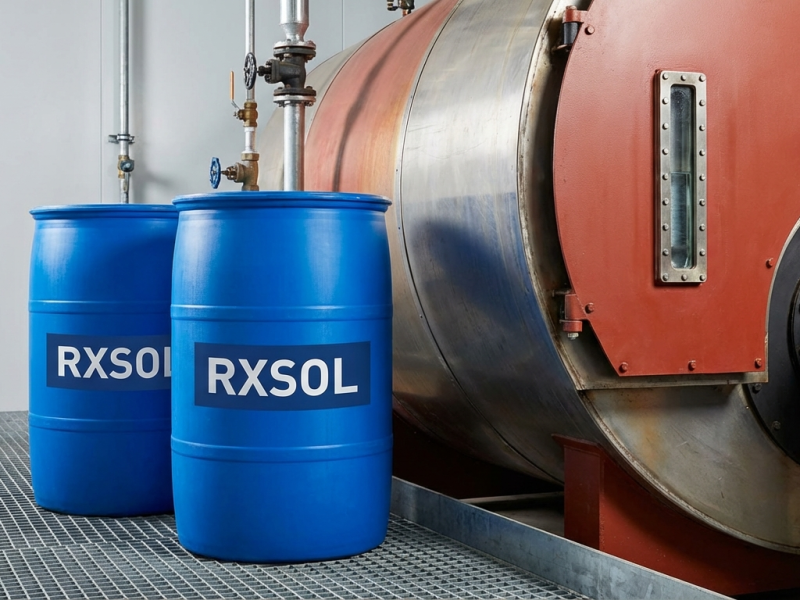 What Is Boiler Water Treatment? Uses, Benefits & Buying Guide in Oman
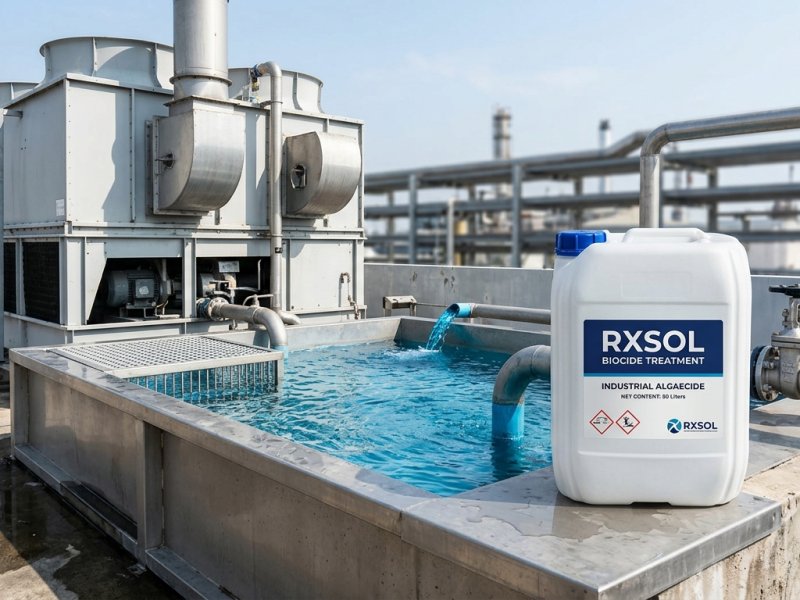 What Is Biocide? Uses, Benefits & Buying Guide in Oman
- What Is Corrosion Inhibitor? Uses, Benefits & Buying Guide in OmanCorrosion is one of the most expensive hidden problems in industrial systems.
- What Is Oxygen Scavenger? Uses, Benefits & Buying Guide in OmanOxygen scavenger is a boiler water treatment chemical used to remove dissolved oxygen from feedwater and condensate systems.
- Boiler Corrosion Inhibitor Dosing for Oman Oilfield CampsHard well water and dissolved oxygen wear out most boilers at oilfield and construction camps in Oman.
Also on omanchem.com: