Construction · contractors and ready-mix
Oman Chemical supplies construction chemicals to contractors, ready-mix plants and maintenance teams in Oman: superplasticisers, retarders and accelerators for concrete, curing compounds, formwork release agents, sealers and waterproofing, plus cleaners that remove cement, bitumen and efflorescence.
- Trading since 1995
- Warehouse in Barka
- About 7,000 products
- MSDS on request

Concrete and site problems, and the chemicals that solve them
Concrete in Oman is placed in high air temperatures for much of the year, which shortens setting time and dries surfaces fast. Groundwater and soil in many coastal areas carry chlorides and sulphates that attack concrete and its reinforcement.
Workability and strength
Adding water to make concrete flow lowers its strength and makes it more permeable.
Chemical typesWater reducers and superplasticisers: polycarboxylate ether (PCE), sulphonated naphthalene formaldehyde and lignosulphonate types, which give the same slump with less water.
Setting time in the heat
Hot weather and long hauls make concrete stiffen before it is placed and finished.
Chemical typesSet retarders such as sodium gluconate based admixtures; chloride-free accelerators such as calcium formate where early strength is needed.
Curing
Hot, dry, windy conditions pull water out of fresh concrete and cause plastic shrinkage cracks.
Chemical typesMembrane-forming curing compounds sprayed on as soon as finishing allows.
Formwork
Concrete sticks to forms, spoiling the finish and the formwork.
Chemical typesFormwork release agents.
Protection and durability
Water, chlorides and sulphates entering concrete corrode reinforcement and damage the surface.
Chemical typesWaterproofing coatings, concrete and brick sealers, silicate densifiers and corrosion-inhibiting admixtures.
Site cleaning and finishing
Cement splashes, bitumen, rust stains and white salt deposits spoil finished work and tools.
Chemical typesAcid cement removers, solvent bitumen removers, efflorescence removers and rust removers.
Construction chemicals we supply
Proven sellers first, from our own sales records, then the admixtures and site products contractors ask for.
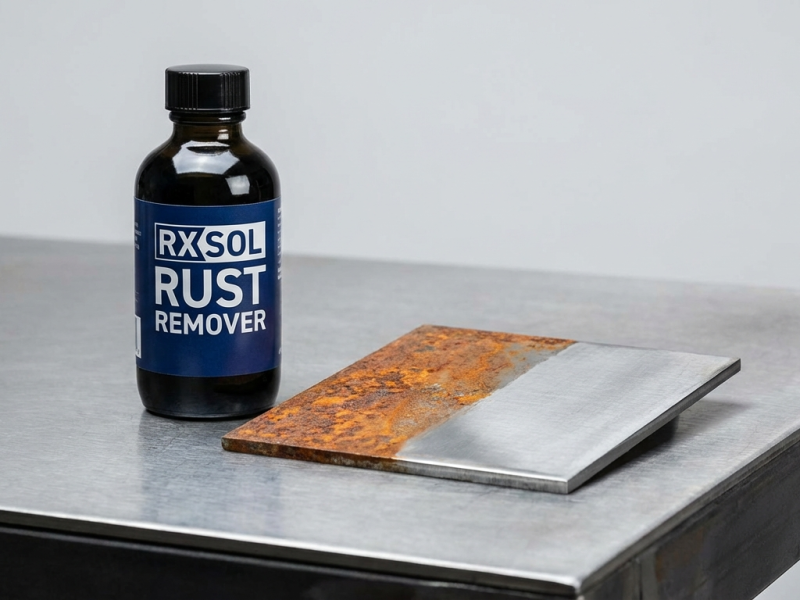
 Rust RemoverRXSOL-16-1088Bestseller
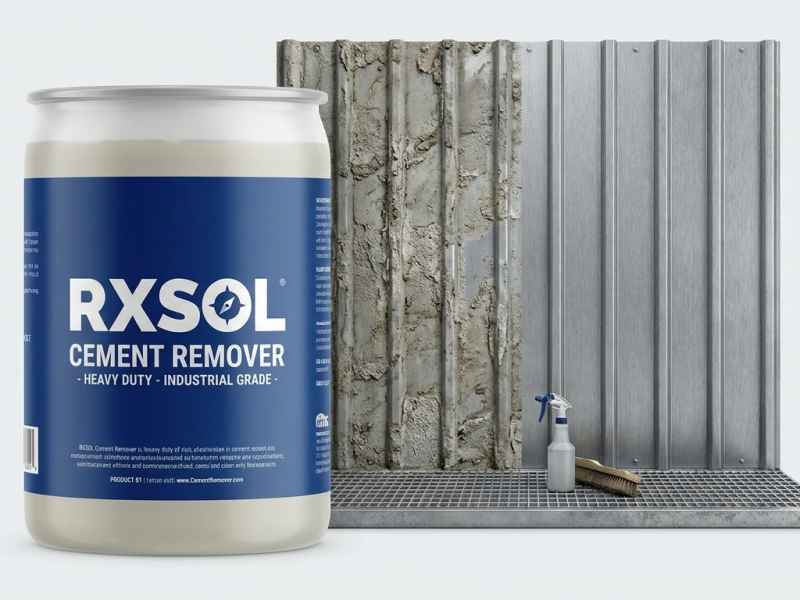
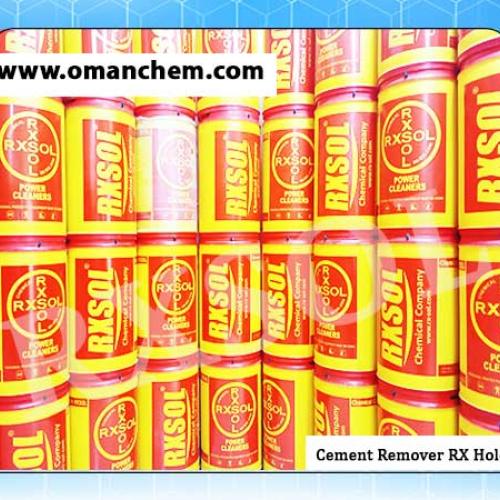 Cement Remover RX HoldRXSOL-22-2202Bestseller
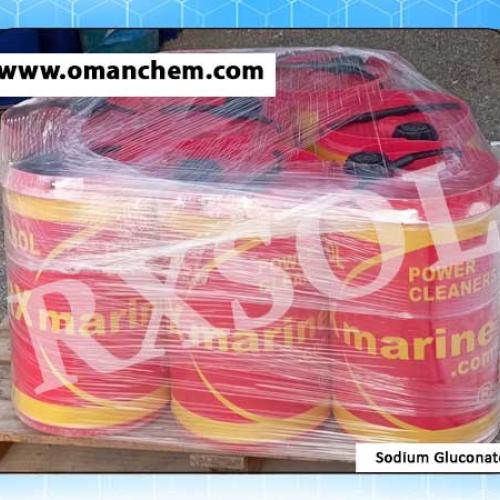 Sodium GluconateRXSOL-19-1518Bestseller
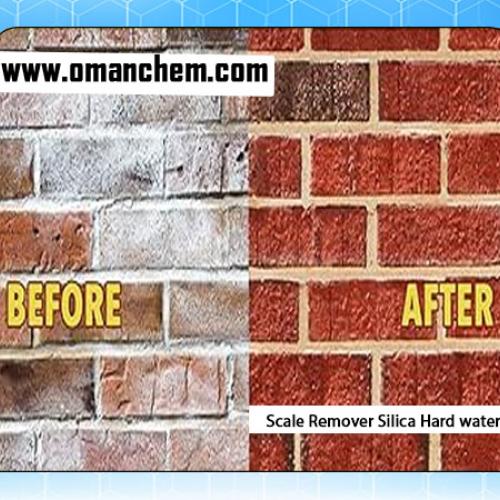 Efflorescence RemoverRXSOL-11-1118
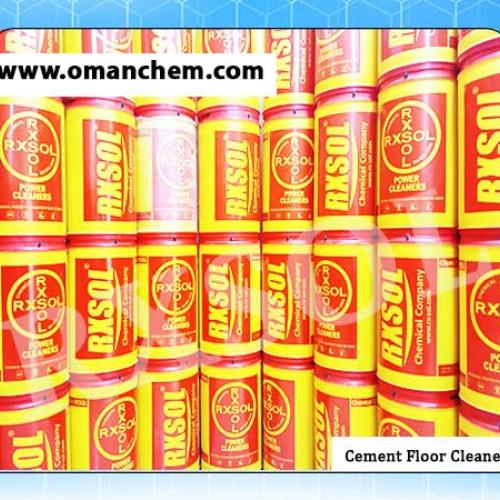 Cement Floor CleanerRXSOL-22-2202
Also supplied for this work
- Oxalic Acid Liquid 25 LtrsRXSOL-67-1410
- Bitumen Remover CleanerRXSOL-20-1004
- Super Plasticizer Admixture for ConcreteRXSOL-67-6704
- Super Plasticizer FlowMaster ConcreteRXSOL-67-6704
- Polycarboxylate Ether PceRXSOL-67-6701
- Concrete Accelerator Fast SettingRXSOL-67-6703
- Retarder Cement AdmixtureRXSOL-67-6706
- ReleasePro Concrete Formwork Release AgentRXSOL-67-2105
- Concrete CureGuard Curing AgentRXSOL-67-1411
- Brick / Concrete sealerRXSOL-67-6702
- Polymeric Waterproofing Coating VOLC WPRXSOL-67-6705
Part numbers are RXSOL codes; quote them when you order. See this industry in the catalogue
Construction product categories
- Construction Chem91 products
- Paint and Cleaning solvent100 products
- Rust Clean & Protect28 products
- Degreaser156 products
Industrial & construction in the catalogue Search all products
Construction chemicals: questions buyers ask
Which superplasticiser should I use?
PCE superplasticisers give the highest water reduction and slump retention and suit high-strength and self-compacting concrete. Naphthalene and lignosulphonate types cost less and suit general concrete. Always run a trial batch with your own cement and aggregates.
How do I stop concrete setting too fast in summer?
Use a set retarder or a retarding plasticiser, keep mixing water and aggregates cool, pour in the cooler hours and start curing promptly. Set the retarder dose by trial: too much can delay setting for a long time.
Can calcium chloride be used as an accelerator?
Only in plain, unreinforced concrete. Chloride increases the risk of reinforcement corrosion, so reinforced concrete needs a chloride-free accelerator such as one based on calcium formate or calcium nitrate.
How do I remove cement from tools and tiles?
With an acid-based cement remover. Test it first on a small area, because acids etch marble, limestone and some tile glazes, and rinse well with water afterwards.
What removes white salt deposits from walls and paving?
An efflorescence remover, a mild acid cleaner that dissolves the salt deposit. Brush off loose salt first and fix the moisture source, or the deposit returns.