Sewage & effluent treatment · STPs and ETPs
Sewage treatment plants at hotels, camps, compounds and factories in Oman use chemicals to settle solids, dewater sludge, keep the biology healthy, control foam and odour, and disinfect treated water for reuse. Oman Chemical supplies coagulants such as PAC, alum and ferric chloride, polyelectrolytes, bacterial cultures, antifoams, hypochlorite and dechlorination chemicals from Barka.
- Trading since 1995
- Warehouse in Barka
- About 7,000 products
- MSDS on request

STP problems and the chemicals that solve them
Treated sewage effluent in Oman is widely reused for landscape irrigation, so plants must meet the limits in their environmental permit. Most small and medium STPs are activated-sludge or MBR package plants, which are sensitive to shock loads, grease and disinfectant from cleaning.
Healthy biology
The bacteria that treat sewage die back after start-up, shock loads or toxic discharges, and effluent quality drops.
Chemical typesBacterial seed cultures and activated sludge accelerators; nutrient balance; keeping bleach and strong disinfectants out of the drains.
Coagulation and phosphorus removal
Fine solids and colloids stay suspended, and phosphate must be removed to meet limits.
Chemical typesCoagulants: poly aluminium chloride (PAC), aluminium sulphate (alum) and ferric chloride, which also precipitate phosphate.
Flocculation and sludge dewatering
Small flocs settle slowly, and sludge must be thickened before disposal.
Chemical typesPolyelectrolytes (polyacrylamides): cationic grades for dewatering organic sludge, anionic grades for clarifying mineral solids, chosen by jar test.
Foam and odour
Foam spills from aeration tanks, and sumps and wet wells smell of hydrogen sulphide.
Chemical typesAntifoams and defoamers as a short-term control while the cause is fixed; odour control products.
Disinfection and dechlorination
Treated effluent must be disinfected before reuse, and some discharges must be free of chlorine.
Chemical typesSodium hypochlorite or calcium hypochlorite in a contact tank; sodium bisulphite, sodium metabisulphite or thiosulphate to remove residual chlorine where required.
pH and alkalinity
Nitrification consumes alkalinity, and low pH stalls the process.
Chemical typesCaustic soda or lime to restore alkalinity; acid to correct high pH.
STP chemicals buyers order most
Ordered by our own sales records and the products our customers mark for repeat orders.
 Calcium Hypochlorite GranulesRXSOL-31-3028Bestseller
 Sodium Meta Bi Sulfite PwdRXSOL-19-1496Bestseller
 Waste Water Faculative Microorganism RespirationRXSOL-32-3110Bestseller
 Sewage DefoamerRXSOL-19-1016Bestseller
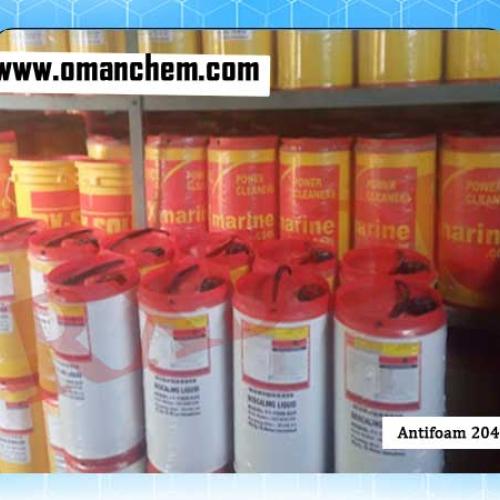 Antifoam 204RXSOL-12-2066Bestseller
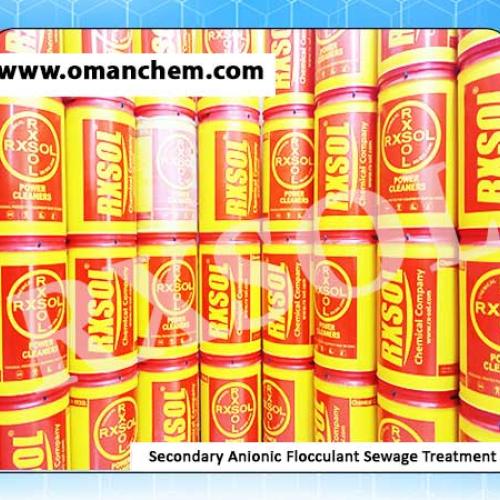 Secondary Anionic Flocculant Sewage TreatmentRXSOL-19-1510
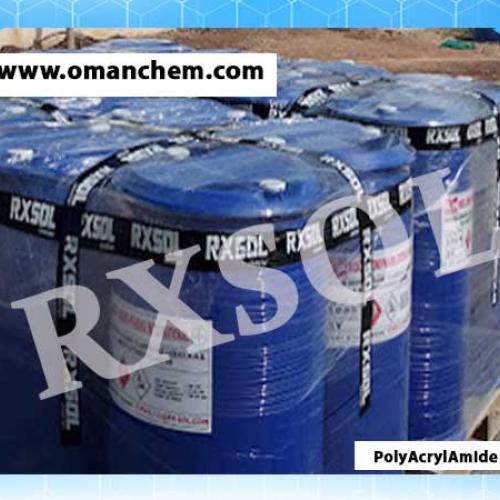 PolyAcrylAmideRXSOL-19-1533
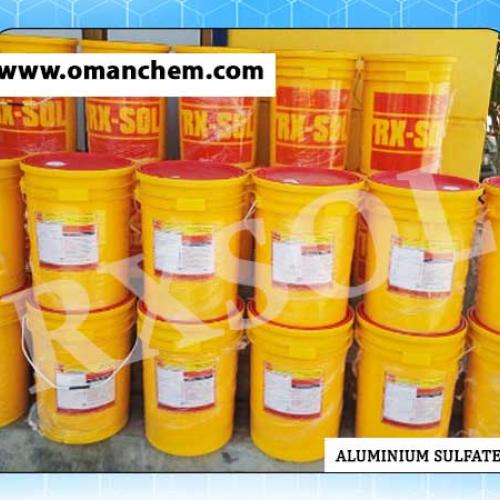 Aluminium SulfateRXSOL-19-1904
Also supplied for this work
- Polyelectrolyte CationicRXSOL-40-4046
- Poly Aluminium ChlorideRXSOL-40-4095
- Ferric ChlorideRXSOL-40-1627
- Sewage Tank Biological LiqRXSOL-16-3009
- Accelerage Activated Sludge Acceleration AgentRXSOL-20-2011
- Sewage Treatment ChlorinationRXSOL-40-4159
- Sodium Hypo Chlorite 4-6 PercentRXSOL-19-1913
- Dechlorine LiquidRXSOL-40-4047
- Stp NeutralizerRXSOL-40-5028
Part numbers are RXSOL codes; quote them when you order. See this industry in the catalogue
Sewage and water product categories
Sewage treatment chemicals: questions buyers ask
Which polyelectrolyte is used for sludge dewatering?
Usually a cationic polyacrylamide, because sewage sludge particles carry a negative charge. The best grade and dose depend on the sludge and the dewatering machine, so they are chosen by jar test.
Why does an STP foam?
Common causes are detergents, young sludge after start-up, and filamentous bacteria. An antifoam controls foam in the short term, but the cause needs fixing: check sludge age, dissolved oxygen and what is entering the plant.
How is an STP restarted after a shock load?
Stop the source of the shock, keep aeration running, and reseed with bacterial culture or sludge from a healthy plant. Check pH, dissolved oxygen and nutrients until effluent quality recovers.
PAC, alum or ferric chloride: which coagulant?
All three neutralise particle charge and remove phosphate. PAC works over a wider pH range and lowers alkalinity less; alum is economical; ferric chloride forms heavy flocs and also controls H2S, but it is corrosive and stains. A jar test on your water decides.
How is treated effluent disinfected for irrigation?
Usually with sodium hypochlorite or calcium hypochlorite dosed into a contact tank to reach the residual your permit requires. Where effluent is discharged to a sensitive environment, it may need dechlorinating afterwards.
Buying guides
- Polyelectrolytes Manufacturer, Distributor, Exporter and supplier in OmanOman Chemical is leading one Largest Supplier, Manufacture and Exporter of Drilling Fluid Chemicals like Polyelectrolytes in Oman, Sultan Qaboos.
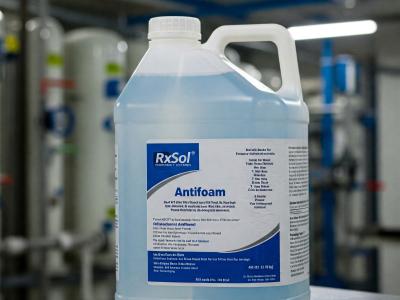 RXSOL Antifoam – The Ultimate Solution to Control Foam in Industrial Applications
- What Is Activated Carbon? Uses, Benefits & Buying Guide in OmanActivated carbon in Oman is widely used across industrial, commercial, and environmental applications because of its strong adsorption capacity.
Also on omanchem.com: