Desalination & RO · seawater and brackish water
A reverse-osmosis plant needs chemicals for four jobs: pretreatment, scale control, dechlorination and membrane cleaning. Oman Chemical supplies antiscalants, sodium metabisulphite, membrane cleaners, RO biocides, acids and caustic soda for seawater and brackish-water RO plants across Oman, from its warehouse in Barka.
- Trading since 1995
- Warehouse in Barka
- About 7,000 products
- MSDS on request

What each stage of an RO plant needs
Oman makes much of its drinking water from the sea, and many hotels, camps, factories and farms run their own RO units on seawater or brackish well water. Warm, salty feed water makes scaling and biofouling the main reasons RO plants lose output.
Pretreatment
Suspended solids, organics and living organisms in the intake foul filters and membranes.
Chemical typesChlorination of the intake with sodium hypochlorite; coagulants such as ferric chloride and flocculants ahead of media filters.
Dechlorination
Most RO membranes are polyamide thin-film composites, which free chlorine damages permanently.
Chemical typesSodium metabisulphite (SMBS) dosed before the cartridge filters or membranes; activated carbon on small units. Many plants watch ORP to confirm no chlorine reaches the membranes.
Scale control
As water passes through the membranes the salts concentrate, and calcium carbonate, calcium sulphate, barium or strontium sulphate and silica can deposit on the last elements.
Chemical typesAntiscalants dosed continuously; acid (sulphuric or hydrochloric) to lower feed pH where carbonate scale limits recovery. The dose is set from the feed analysis with projection software.
Membrane cleaning
Even a well-run plant needs periodic cleaning when normalised flow drops or pressure drop rises.
Chemical typesLow-pH cleaners (citric acid, hydrochloric acid) for carbonate scale and metal oxides; high-pH alkaline cleaners for biofilm, organics and silt. Work within the membrane maker's pH and temperature limits.
Biofouling control
Bacteria form slime on membrane surfaces, raising pressure drop and lowering flow.
Chemical typesMembrane-compatible non-oxidising RO biocides dosed intermittently, plus regular alkaline cleaning.
Post-treatment and polishing
RO permeate is low in hardness and alkalinity, so it corrodes pipes, and it must be disinfected before storage.
Chemical typespH correction and remineralisation; sodium or calcium hypochlorite for disinfection; mixed-bed ion exchange resin where demineralised water is needed for boilers or labs.
RO chemicals buyers order most
Ordered by our own sales records: the products customers in Oman reorder most come first.
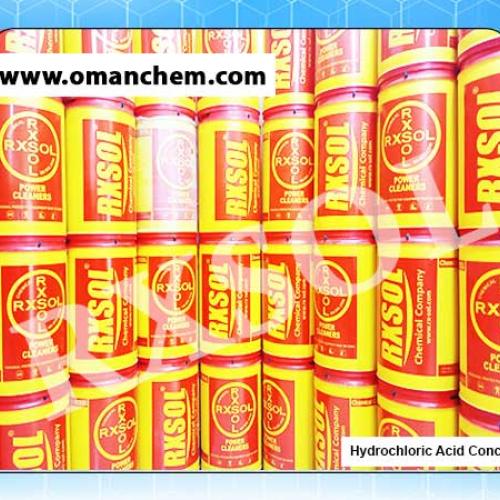 Hydrochloric AcidRXSOL-19-1101Bestseller
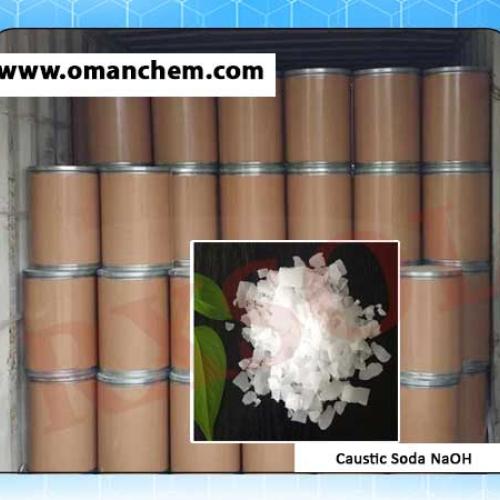 Caustic SodaRXSOL-19-1498Bestseller
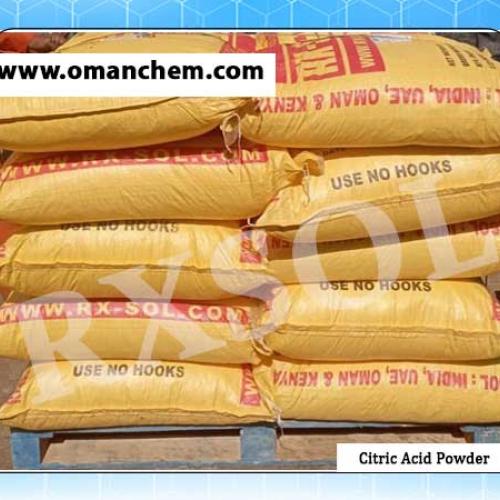 Citric Acid PowderRXSOL-41-8926Bestseller
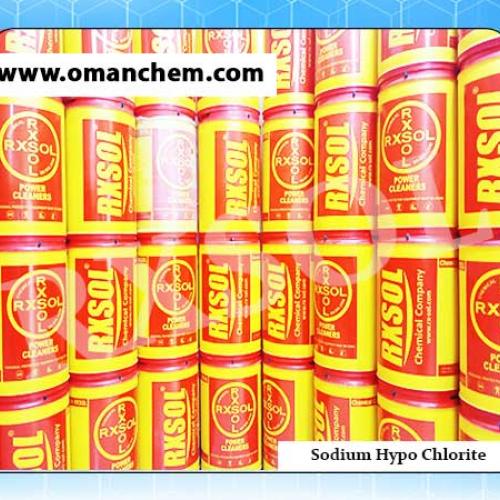 Sodium Hypo ChloriteRXSOL-31-3025Bestseller
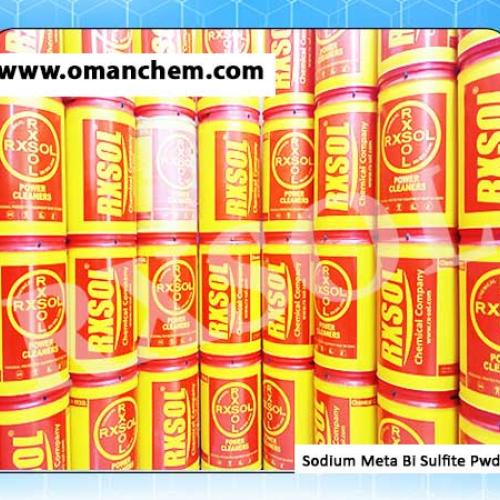 Sodium Meta Bi Sulfite PwdRXSOL-19-1496Bestseller
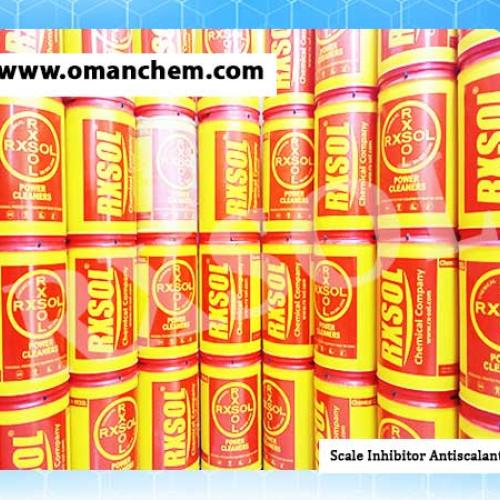 Scale Inhibitor AntiscalantRXSOL-33-2034Bestseller
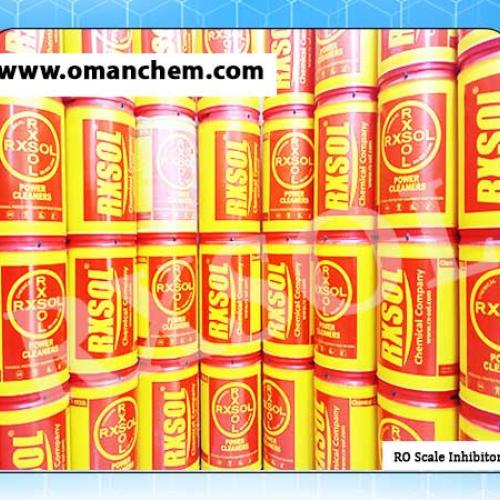 RO Scale InhibitorRXSOL-33-3352Bestseller
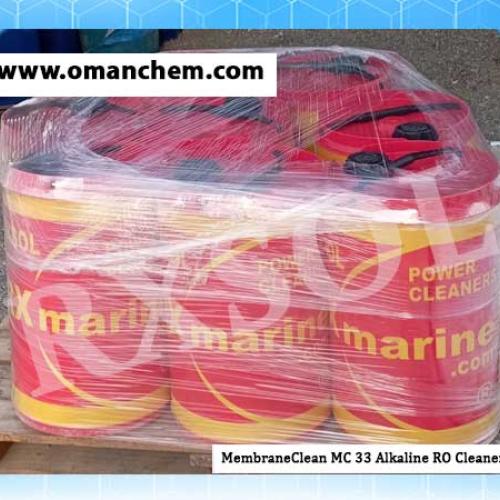 Membrane Alka Clean RXSOL Org-10RXSOL-33-3320Bestseller
Also supplied for this work
- ProShield PC55 RO BiocideRXSOL-33-8936
- Antiscalant PolymerRXSOL-33-3302
- Membrane Cleaner RXSOL- 3304RXSOL-33-3304
- RO 222 DescalerRXSOL-33-3301
- Resine Mixed BedRXSOL-32-3101
- Sodium Hexa Meta PhoshphateRXSOL-19-1528
Part numbers are RXSOL codes; quote them when you order. See this industry in the catalogue
RO and water product categories
RO and desalination chemicals: questions buyers ask
What chemicals does an RO plant need?
Typically chlorine and a coagulant for pretreatment, sodium metabisulphite to remove chlorine before the membranes, an antiscalant dosed continuously, an RO biocide, and acid and alkaline cleaners for membrane cleaning. Post-treatment adds pH correction and disinfection.
Why must chlorine be removed before RO membranes?
Polyamide thin-film membranes are oxidised by free chlorine and lose salt rejection permanently. Sodium metabisulphite, or activated carbon on small units, removes residual chlorine before the water reaches them.
How much antiscalant should be dosed?
It depends on the feed water analysis, the recovery and the antiscalant chemistry, so the dose is calculated with projection software. Send us your feed analysis and recovery and we will propose a product.
When should RO membranes be cleaned?
A common rule is to clean when normalised permeate flow falls by 10 to 15 percent, or when normalised pressure drop or salt passage rises by 10 to 15 percent, compared with the start-up baseline. Waiting longer makes the fouling harder to remove.
Should the acid or the alkaline clean go first?
Where biofilm, organics or silt are present, the alkaline clean usually goes first, followed by the acid clean for scale. If the deposit is scale only, an acid clean alone may be enough. Follow the membrane maker's cleaning guidelines.
Do you supply chemicals for small hotel and camp RO units?
Yes. Small units use the same chemistry: dechlorination, antiscalant and cleaning chemicals. Tell us the unit size and feed water and we suggest the products and pack sizes.
Buying guides
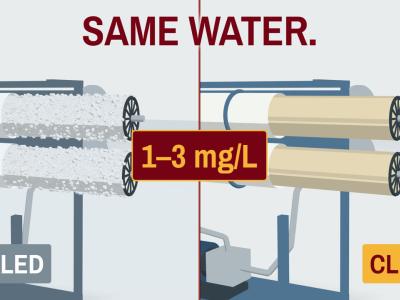 Antiscalant Polymer: Why RO Membranes Scale and How to Dose It
- Chlorine Tablets for Desalination Plants in Oman and UAEDesalination plants across the United Arab Emirates and Oman operate in some of the most challenging marine environments in the world.
- What Is Activated Carbon? Uses, Benefits & Buying Guide in OmanActivated carbon in Oman is widely used across industrial, commercial, and environmental applications because of its strong adsorption capacity.