
Sodium Bisulfite
Oman Chemical is leading one Largest Supplier,Distributor,&n

Desalination plants across the United Arab Emirates and Oman operate in some of the most challenging marine environments in the world. High temperatures, salinity, and biological activity create ideal conditions for microbial growth, biofouling, and contamination in seawater storage tanks. Effective disinfection is therefore not optional it is critical for operational reliability, membrane protection, and compliance with water quality standards.
One of the most practical and widely used solutions in this domain is hypochlorite-based disinfection, particularly in the form of hypochlorite tablets (calcium hypochlorite) and sodium hypochlorite dosing systems.
Oman Chemical is the largest supplier of calcium hypochlorite tablets and other chlorine tablets TCCA SDIC in Muscat Sohar Oman. Get the best quality of JUMBO Size Chlorine tablets for DESALINATION PLANTS IN UAE AND OMAN.
Hypochlorite tablets are typically composed of calcium hypochlorite (Ca(OCl)₂), a solid oxidizing agent that releases free chlorine when dissolved in water. This free chlorine acts as a powerful disinfectant, capable of destroying:
In industrial water treatment, hypochlorite compounds are among the most widely used disinfectants due to their strong oxidizing capability and cost efficiency.
Seawater storage tanks serve as the first holding point before pretreatment and reverse osmosis (RO). Without proper disinfection, these tanks can become hotspots for:
These issues can lead to:
When hypochlorite tablets dissolve in seawater:
This broad-spectrum antimicrobial action makes hypochlorite highly effective even in high-TDS seawater environments.
For potable water treatment, even 0.02–0.2% hypochlorite solutions are sufficient depending on contamination levels.
| Method | Pros | Cons |
|---|---|---|
| Hypochlorite Tablets | Simple, cost-effective, portable | Requires monitoring of residual chlorine |
| Liquid Sodium Hypochlorite | Easy dosing automation | Degrades faster in heat |
| Chlorine Gas | Highly effective | High safety risk |
| Chlorine Dioxide (from sodium chlorite) | Lower by-products, effective biofilm control | Requires on-site generation and control systems |
Residual chlorine must be neutralized (e.g., sodium bisulfite) before entering RO membranes to avoid damage.
Accurate dosing is critical:
In the GCC, especially in the United Arab Emirates and Oman, desalination contributes a major portion of potable water supply. Hypochlorite-based disinfection remains a core chemical treatment step due to:
Sodium hypochlorite and related chlorine-based disinfectants are extensively used for water treatment, cooling systems, and wastewater disinfection across industrial sectors.
Hypochlorite tablets provide a robust, economical, and scalable solution for disinfecting seawater storage tanks in desalination plants. Their effectiveness against a wide spectrum of microorganisms, combined with operational simplicity, makes them particularly suitable for the demanding environmental and logistical conditions of the Middle East.
For desalination operators in the UAE and Oman, adopting a well-managed hypochlorite dosing strategy ensures:
In a region where water security is critical, efficient disinfection is not just maintenance it is infrastructure protection.
For factory sale price of Calcium Hypochlorite tablets, TCCA Tablets, SDIC Tablet, feel free to send an email and get a quotation till your project site.
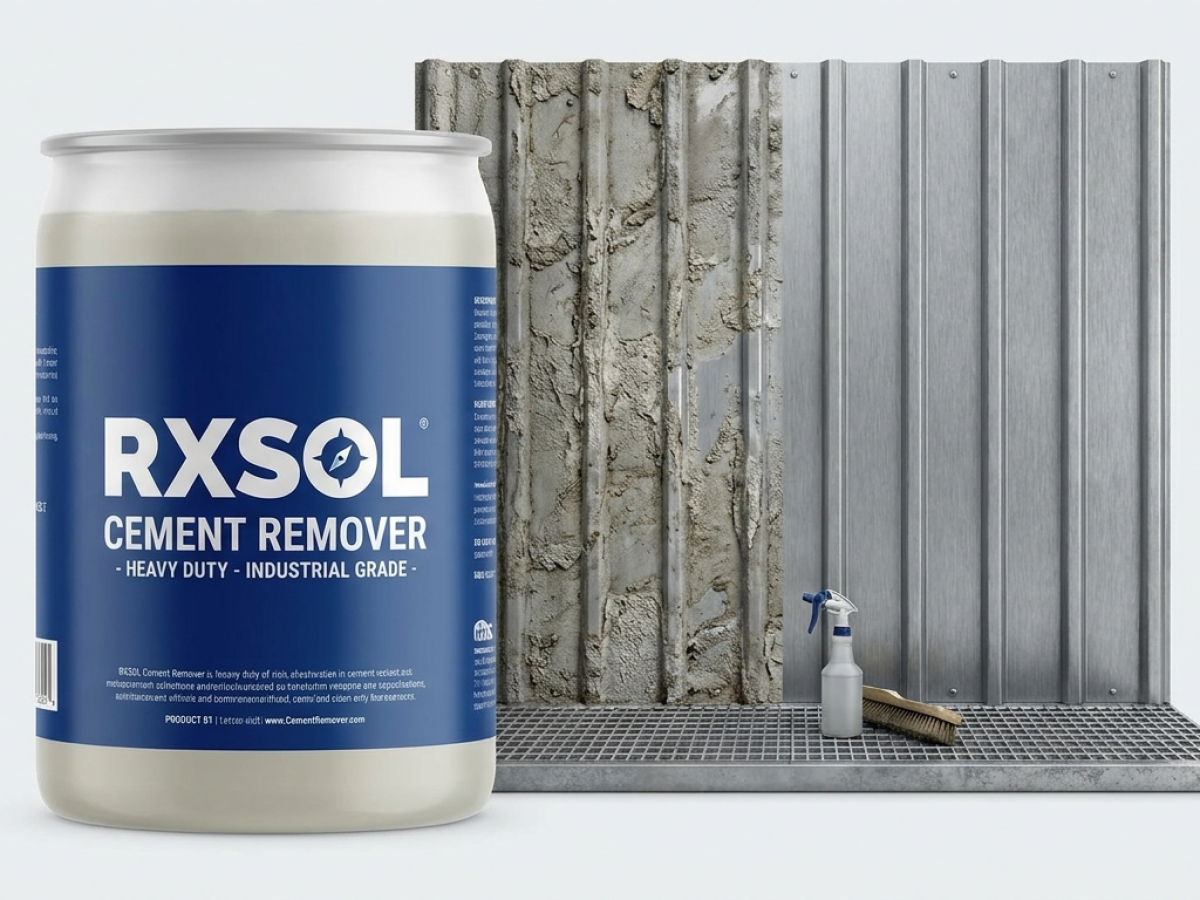
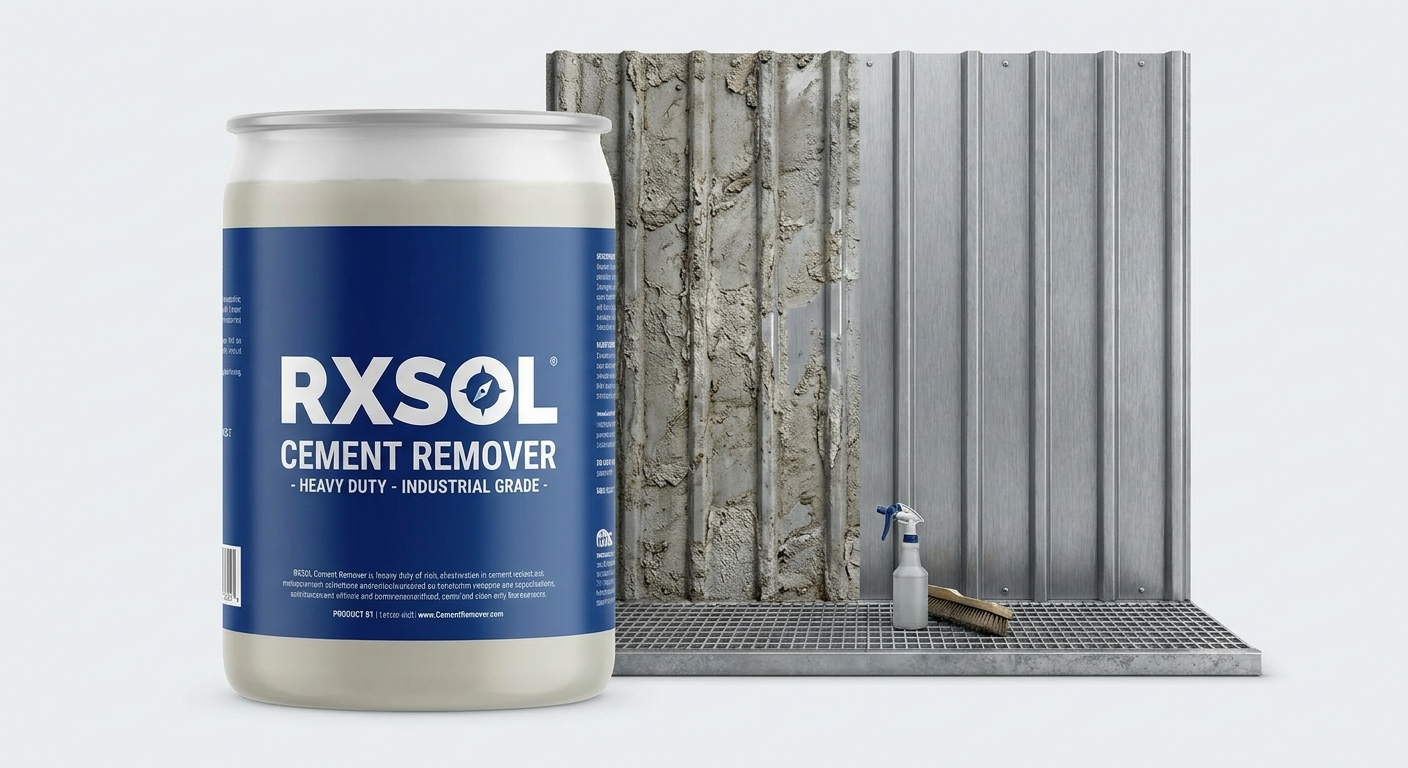
Cement residue can become a serious maintenance problem on metal surfaces, cargo holds, tools, and transport equipment. That is why many buyers searching for cement remover Oman are looking for a product that works fast, protects the base surface, and fits demanding marine and industrial operations. In this guide, Oman Chem explains what cement remover is, where it is commonly used, the benefits it offers, and what buyers in Oman should check before placing an order.
A cement remover is a specialty cleaning chemical designed to loosen and dissolve hardened cement deposits, grout haze, lime scale, and mineral buildup from compatible surfaces. In industrial settings, it is often used where ordinary detergents cannot break down stubborn alkaline construction residue.
In simple terms, a cement remover helps teams:
For shipping, logistics, and industrial maintenance teams, the right industrial cement remover can save labor hours and help return assets to service faster.
Cement binds tightly as it cures. Once it hardens, it adheres to rough and smooth surfaces alike. Mechanical scraping can work, but it often takes time and may damage coatings or underlying metal if used aggressively.
That is why buyers often prefer a cement residue cleaner formulated to soften deposits chemically before rinsing, brushing, or pressure washing. A properly selected product can improve cleaning efficiency while reducing surface damage risk.
One of the most relevant applications in Oman is cargo hold cleaning. Bulk vessels and transport equipment may carry cement clinker, bagged cement, or construction materials that leave residue behind. A cement remover can help remove leftover deposits from hold walls, hatches, structural members, and loading areas.
Construction and logistics teams also use cement remover to clean mixers, buckets, metal tools, scaffolding components, and support equipment exposed to wet or hardened cement.
After construction, surfaces such as steel frames, hard floors, loading bays, and industrial platforms may require cleanup before handover or reuse. In these cases, a cement stain remover for metal can help restore appearance and maintain operational readiness.
Marine cleaning teams often need marine cleaning chemicals Oman buyers can rely on for demanding turnaround schedules. Cement remover can support maintenance work on vessels, loading equipment, and port-side assets affected by cement cargo contamination.
The main advantage is time savings. Instead of relying only on chisels, scrapers, or abrasive methods, teams can chemically break down deposits first and finish cleaning more quickly.
Hard cement removal is physically demanding. A chemical solution reduces repetitive scraping and can improve crew productivity.
When used correctly, cement remover can produce a cleaner final result than rough manual removal alone. This matters for visible equipment, cargo compartments, and maintenance-sensitive metal parts.
For logistics and marine operators, delays are expensive. Faster residue removal helps return equipment, vessels, and workspaces to service with less downtime.
When evaluating a product for cement remover Oman requirements, buyers should review more than just price.
Check whether the cleaner is suitable for steel, painted areas, coated surfaces, or heavy industrial metal. Some acidic cleaners are effective but may not suit every finish.
Light splashes and fresh residue need a different approach than thick, fully cured buildup. Match the product strength to the cleaning challenge.
Ask whether the product is best for brushing, spraying, soaking, circulation, or pressure-assisted cleaning. This affects labor planning and chemical consumption.
As with many industrial cleaning chemicals, operators need proper PPE, ventilation, and handling procedures. Buyers should request clear safety guidance and product documentation.
Industrial users in Oman often need dependable local availability. Oman Chem supports buyers who want practical product guidance, repeat supply, and responsive commercial follow-up.
A good buying process usually includes these steps:
Oman Chem generally recommends that buyers choose a product based on cleaning performance, operational safety, and support quality, not just headline cost per liter.
If the job involves cargo holds, painted metal, or mixed contamination, technical review matters. The wrong product can slow the job or create avoidable surface issues.
A lower-cost chemical is not always cheaper if it takes more labor, more repeat applications, or longer downtime. Measure value in terms of speed, finish quality, and labor reduction.
If cement residue is a recurring issue, it helps to standardize one proven product and method. This can simplify procurement and improve cleaning consistency across teams.
Oman Chem works with industrial and marine customers who need dependable cleaning solutions for real operating conditions. Buyers often look for more than a product label. They need support on product fit, handling, and practical use cases.
By sourcing through Oman Chem, customers can align their cement remover Oman purchases with local business needs, technical expectations, and repeat-order convenience. Oman Chem also understands the needs of shipping and logistics buyers handling cargo contamination, maintenance turnaround, and industrial surface cleaning.
Yes, many formulations are designed specifically for hardened cement and mineral residue, though dwell time and repeat application may vary depending on buildup thickness.
Some products are suitable for metal, but compatibility must always be confirmed first. A small test patch is the safest approach.
Yes. In marine and bulk transport settings, cement remover is often used as part of cargo hold cleaning chemicals programs where cement residue must be removed quickly and effectively.
A reliable cement remover helps industrial and marine operators clean faster, reduce manual effort, and maintain equipment more effectively. For buyers comparing options for cement remover Oman, the best choice is one that matches the surface, residue type, and operating environment while offering dependable supply and technical support.
Oman Chem can help buyers choose the right industrial cement remover for shipping, logistics, marine, and maintenance applications across Oman. For any inquiries, email us at support@omanchem.com or reach out to us on +968 99489269.
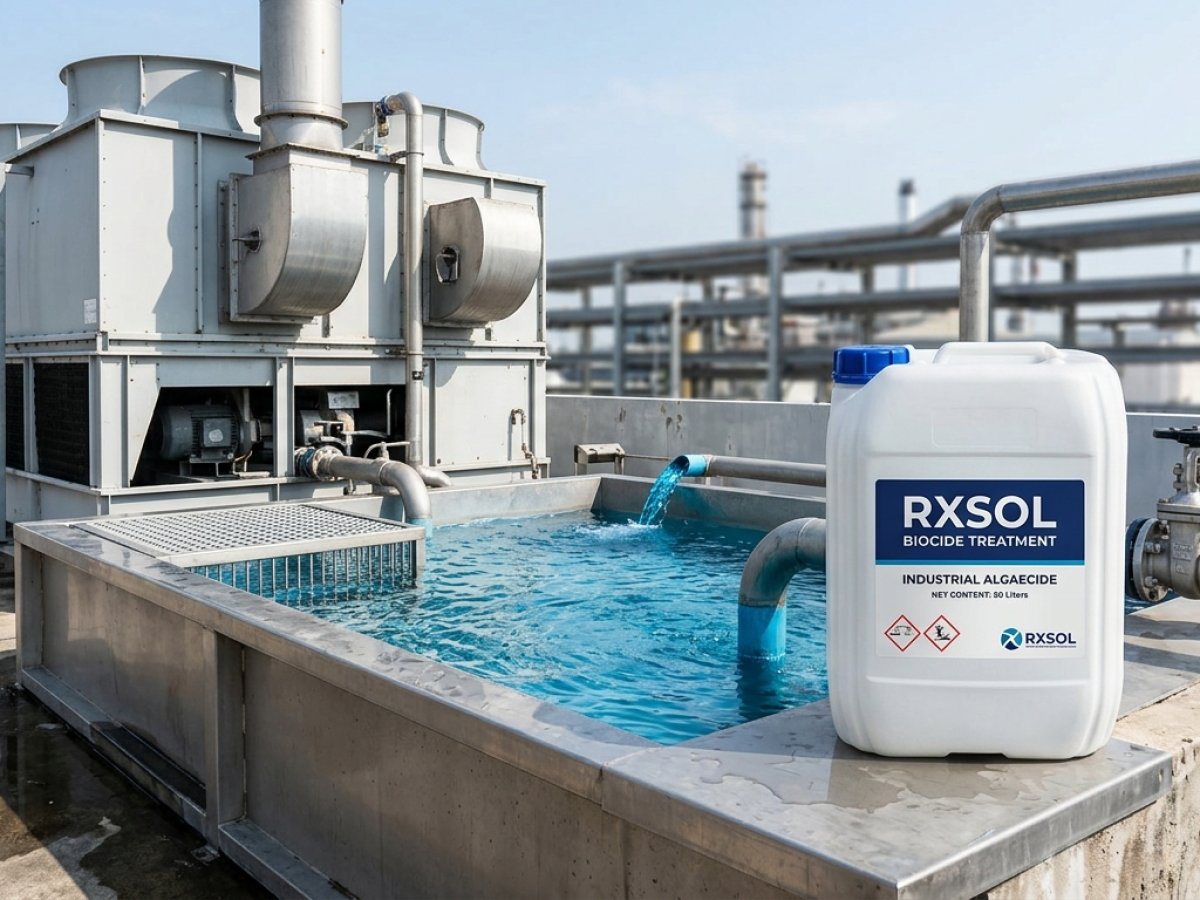
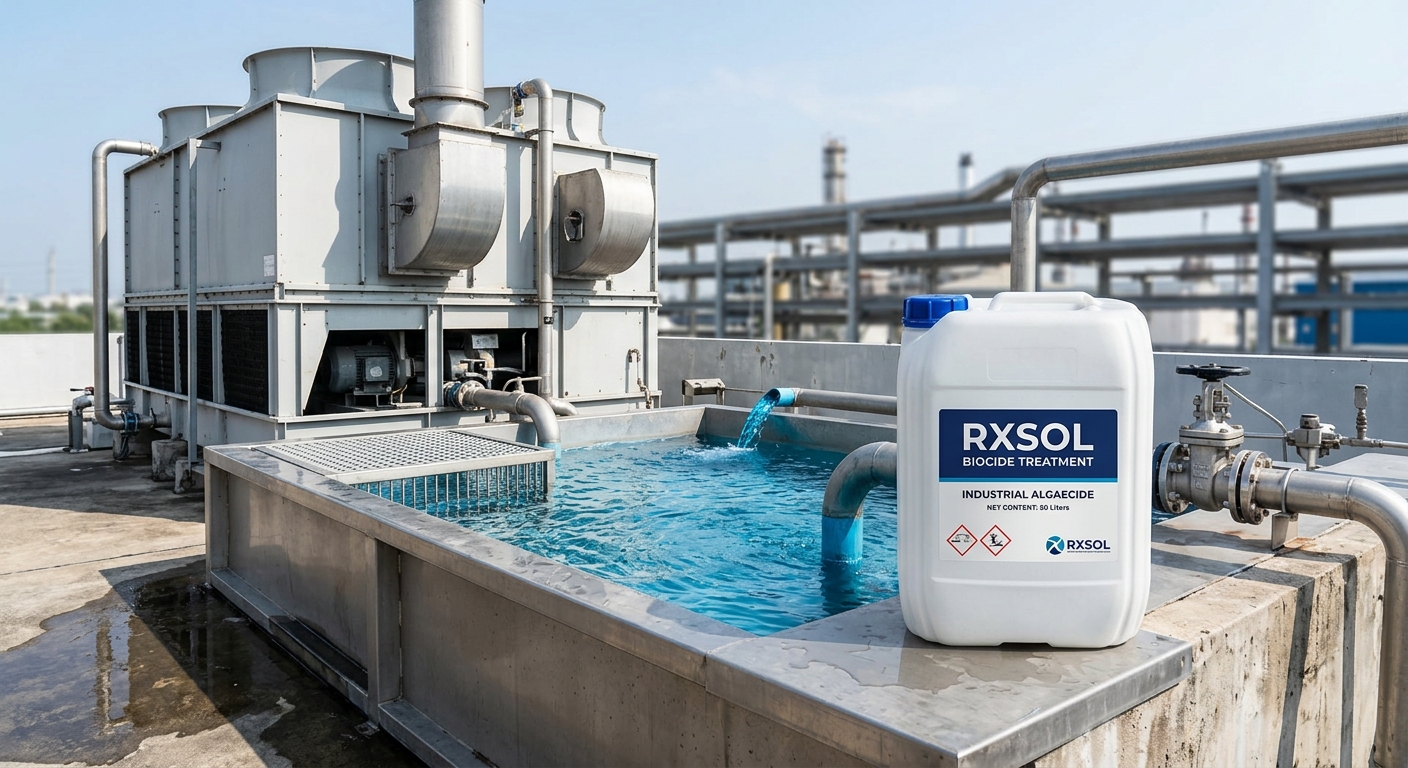
Biocide is a treatment chemical used to control bacteria, algae, fungi, and slime-forming microorganisms in industrial water systems. For buyers searching for biocide cooling water Oman, the main objective is simple: protect system cleanliness, reduce biofouling, maintain heat-transfer efficiency, and lower the operational risk that comes from uncontrolled microbial growth.
This guide is written for water treatment buyers, plant maintenance teams, and procurement professionals in Oman who need a practical understanding of what biocide does and how to evaluate it before purchase. Oman Chem works with industrial customers who want clear, realistic guidance instead of exaggerated product claims.
A biocide is a chemical formulation designed to inhibit or kill unwanted microorganisms. In cooling water systems, those organisms often include bacteria, algae, fungal growth, and biofilm-producing microbes that gradually reduce system performance.
When microbial growth builds up inside a system, it can contribute to:
For facilities in Oman, this matters because warm weather and continuous cooling demand can create conditions where microbiological growth develops quickly. Oman Chem often advises buyers to think of biocide selection as a preventive maintenance decision, not only a corrective treatment after fouling becomes severe.
A typical biocide cooling water Oman requirement appears in several environments.
Open recirculating cooling towers are one of the most common applications because warm water and airborne contamination create favorable conditions for biological growth.
Some closed systems still require microbial control depending on contamination entry, maintenance quality, and operating temperature.
Industrial process plants that rely on stable water circulation often use biocide to support system cleanliness and more predictable operating performance.
Large buildings, industrial facilities, and institutional sites may use biocide treatment as part of planned cooling-water maintenance.
Oman Chem recommends identifying the exact system type before buying. A product program that works well in one cooling-water environment may not be ideal for another with different water chemistry or contamination pressure.
The most direct benefit is reducing the bacteria, algae, and slime that interfere with clean system operation.
When biological fouling is controlled, heat-transfer surfaces can remain cleaner and operate more efficiently.
Biocide programs can help reduce unscheduled cleaning, repeated shutdowns, and the labor burden associated with severe slime buildup.
A better-controlled water system is generally easier to inspect, easier to manage, and less likely to develop odor or visible fouling issues.
Oman Chem advises customers to remember that dispersants, corrosion inhibitors, antiscalants, and monitoring practices often work better when microbial growth is under control.
A practical purchasing decision should consider more than price alone.
Open cooling towers, evaporative systems, and process loops can have different treatment demands.
Buyers should clarify whether the main issue is algae, bacterial slime, biofilm, or a mixed microbiological load.
Metals, seals, coatings, and non-metallic components may all affect product selection.
Some programs use continuous low-level dosing, while others rely on controlled shock dosing. Oman Chem recommends matching the treatment program to the operating reality of the site.
Product concentration, storage needs, PPE requirements, and plant handling practices all matter when evaluating the best biocide option.
Some buyers choose a product without considering how it will actually be applied. That usually leads to poor results. Common mistakes include:
Oman Chem prefers a practical evaluation because the best outcome usually comes from matching the biocide to the site, the contamination pattern, and the maintenance routine.
If your team is comparing biocide cooling water Oman suppliers, start with a few clear questions:
These questions make supplier discussions more useful and help prevent buying on vague assumptions.
Oman Chem supports industrial buyers who need dependable chemical supply with realistic technical guidance. For biocide programs, customers usually want clear product positioning, stable availability, and support that reflects the actual operating conditions of water systems in Oman.
Oman Chem takes a practical approach by helping buyers evaluate application fit, operating conditions, and treatment objectives instead of pushing a generic one-size-fits-all answer. That makes the selection process more useful for procurement teams and plant operators alike.
Biocide is an important part of cooling-water treatment because it helps control biological growth that can reduce efficiency, increase maintenance effort, and create avoidable operating risk. For facilities reviewing biocide cooling water Oman options, the right choice depends on system conditions, contamination type, dosing strategy, and safe application planning.
Oman Chem recommends treating biocide selection as part of a complete water-treatment program with clear monitoring and maintenance discipline. For any inquiries, email us at support@omanchem.com or reach out to us on +968 99489269.
Barrier coat slip is a protective coating system used to reduce sticking, fouling, and wear on surfaces that face repeated contact with cargo, moisture, and harsh marine conditions. For marine supply buyers comparing options for slip barrier coat Oman requirements, the main goal is simple: protect surfaces, support easier cleaning, and help cargo-handling areas stay in workable condition for longer.
This article is for marine supply buyers in Oman who need a practical understanding of what barrier coat slip does, where it fits, and what to check before purchasing. Oman Chem regularly supports buyers who want conservative, application-focused guidance rather than exaggerated product claims. The right choice depends on cargo type, substrate condition, exposure, and maintenance routines, not just on price alone.
Barrier coat slip is a coating or surface-treatment concept used to create a protective, lower-adhesion layer between the base surface and the material that may contact it. In marine and industrial handling environments, this can be useful for cargo holds, chutes, hoppers, handling zones, and other surfaces where product residue or moisture can create cleaning and maintenance problems.
The word barrier refers to protection of the underlying surface. The word slip usually refers to improving release properties or reducing the tendency of materials to cling to the coated area. In practice, buyers should treat barrier coat slip as a functional maintenance material, not a miracle solution. Good results still depend on correct surface preparation, correct film build, correct curing, and realistic service expectations.
For buyers in Oman, this matters because port and marine environments combine salt exposure, heat, humidity variation, and heavy operating cycles. Oman Chem often sees that the best purchasing decisions are made when the coating is selected around the real working environment, not generic catalog language.
A slip barrier coat Oman solution may be considered in several marine and industrial settings.
Cargo holds handling bulk or semi-bulk materials can develop buildup over time. A suitable barrier coat may support easier release of residues and simpler washdown after unloading.
Areas such as funnels, chutes, or contact panels may benefit when operators want less sticking and more predictable cleaning intervals.
Bins, hoppers, and receiving surfaces sometimes need a protective system that reduces direct contact damage and helps manage residue accumulation.
Some operators use these systems where splash, contamination, and repeated wash cycles can shorten the service life of untreated surfaces.
Oman Chem advises buyers to define the exact use case before requesting quotations. “Cargo hold use” is too broad on its own. The supplier should know the substrate, the material handled, the service temperature, and the expected cleaning method.
When properly selected and applied, barrier coat slip systems may offer several practical advantages.
This is usually the first reason buyers explore the product. If less material remains bonded to the surface after unloading, crews can clean faster and with less mechanical effort.
The barrier layer can help reduce direct attack on the substrate from moisture, contamination, and repeated cargo contact. That can support longer intervals between major repair work.
A protected surface is often easier to inspect and maintain than a damaged bare surface. Buyers value this because planned maintenance is usually less costly than emergency repair.
Cleaner surfaces can support better operational discipline. This does not remove the need for routine cleaning, but it can make those routines easier to perform consistently.
A coating system is part of an asset protection plan. Oman Chem typically recommends buyers view barrier coat slip as one layer within a larger maintenance strategy that includes inspection, touch-up work, and safe operating procedures.
It is important to stay realistic. Barrier coat slip is not a universal fix for every cargo or every damaged surface.
It does not:
This is one reason Oman Chem prefers a needs-based discussion before supply. Conservative specification reduces the risk of selecting the wrong system.
Buyers comparing slip barrier coat Oman products should focus on six practical checks.
Ask whether the product is suitable for steel, previously coated steel, concrete, or another base material. Compatibility issues can lead to poor adhesion or early failure.
Different materials behave differently on coated surfaces. Moist, sticky, powdered, or abrasive cargoes create different demands. Tell the supplier what the surface actually handles.
Coverage figures matter for budgeting, but they only matter when tied to the required dry film thickness. A cheaper drum is not automatically a lower installed cost if more material is needed.
Check whether the system is applied by brush, roller, or spray, and whether specialized equipment is required. This affects labor time, shutdown planning, and contractor choice.
Some operations can allow a longer curing window, while others need a faster turnaround. Buyers should verify the workable timeline before confirming supply.
Review the safety data sheet, ventilation needs, PPE requirements, and storage conditions. Oman Chem encourages buyers to involve the maintenance team early so safety planning is not treated as an afterthought.
Before placing a purchase order, ask the supplier these questions:
Oman Chem finds that these questions usually expose whether a supplier is offering a well-matched recommendation or only a generic product pitch.
Low unit price can become expensive if the coating fails early, needs extra coats, or causes longer downtime.
Even a suitable coating can fail if rust, contamination, old loose film, or moisture remain on the surface.
A product that works in a mild industrial area may not perform the same way in a salty marine setting.
Application complexity matters. Buyers should consider scaffolding, access, ventilation, and drying time.
Phrases like “anti-stick coating” are not enough for procurement. Clear technical details help Oman Chem or any responsible supplier make a better recommendation.
Marine operators in Oman often need more than a drum delivered to site. They need support with sizing, scheduling, documentation, and practical selection. That is where working with a local, responsive supplier can help.
Oman Chem supports buyers by narrowing options according to use case, not by overstating outcomes. This can be useful when a vessel operator, ship chandler, or maintenance buyer needs to compare multiple protective systems within a short procurement window. Local coordination can also help with repeat ordering, packaging choice, and technical follow-up.
If you are evaluating barrier coat slip for the first time, use a simple decision path:
This structured approach gives buyers a better chance of selecting a practical slip barrier coat Oman solution that fits real operating conditions.
Barrier coat slip can be a useful protective option for marine and cargo-handling surfaces when the goal is to reduce sticking, improve cleanability, and protect the underlying substrate. For buyers researching slip barrier coat Oman options, the smartest approach is to focus on compatibility, surface preparation, curing requirements, and supplier support.
Oman Chem recommends treating selection as an operational decision, not just a catalog purchase. A properly matched product can support easier maintenance and more consistent surface performance, while an ill-matched one can add cost and downtime.
For any inquiries, email us at support@omanchem.com or reach out to us on +968 99489269.
Not always. Some products focus mainly on corrosion protection, while barrier coat slip systems are usually selected for both protection and improved release or lower adhesion characteristics. Buyers should confirm the exact function rather than assume all protective coatings perform the same way.
No. Suitability depends on the cargo handled, the substrate condition, the operating temperature, and the cleaning method. Oman Chem recommends verifying application fit before ordering for any specific hold or transfer surface.
Service life varies with abrasion level, surface preparation, film thickness, and operating discipline. Conservative planning is best. Rather than relying on broad claims, buyers should inspect performance under their actual working conditions.
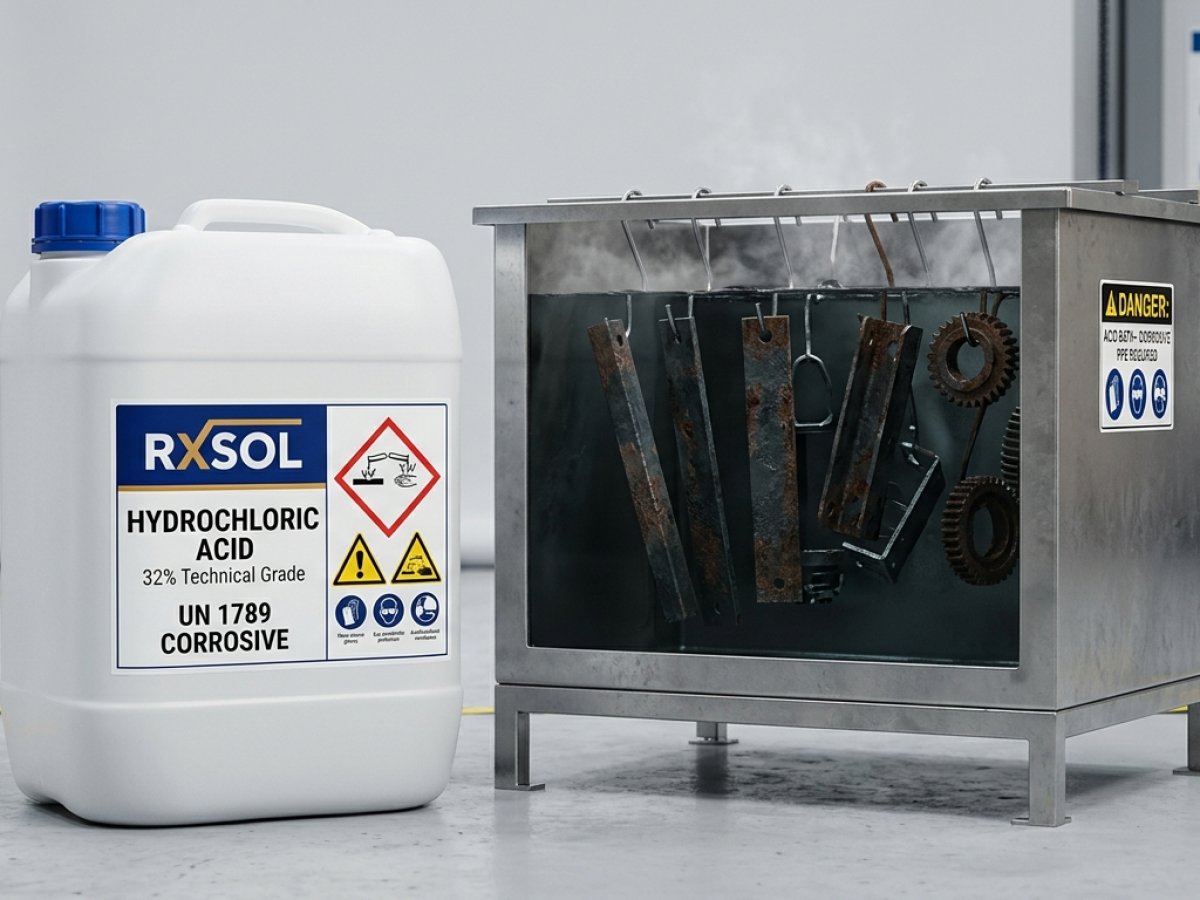
Hydrochloric acid is one of the most widely used industrial chemicals in manufacturing, metal treatment, water processing, construction cleaning, and laboratory operations. For procurement teams evaluating hydrochloric acid Oman suppliers, it is important to understand not only what the product is, but also which grade to buy, how it is used, and what handling standards matter on site.
In simple terms, hydrochloric acid is a strong mineral acid made from hydrogen chloride dissolved in water. It is colorless to slightly yellow and is valued for its ability to dissolve scale, rust, alkaline deposits, and metal oxides. Across Oman, industries use hydrochloric acid for metal cleaning, pH control, descaling, regeneration of ion exchange resins, and a range of process applications.
For buyers, the real question is not just what hydrochloric acid does. The real question is how to source a consistent, safe, and commercially practical product from a reliable hydrochloric acid supplier Oman businesses can trust. Oman Chem works with industrial customers who need dependable supply, clear specifications, and practical guidance on safe use.
Hydrochloric acid, sometimes called muriatic acid in some markets, is an aqueous solution of hydrogen chloride. In industrial supply chains it is commonly available in different concentrations depending on the intended application. The product is highly reactive, strongly acidic, and capable of breaking down mineral scale, rust deposits, and surface contamination.
Because of those properties, industrial hydrochloric acid uses extend across several sectors:
When customers search for hydrochloric acid Oman, they are usually looking for a product that offers strong cleaning performance, predictable concentration, and reliable documentation for industrial purchasing and storage.
Procurement managers do not just buy an acid. They buy a specification that needs to work safely inside an operation. Important properties include:
Hydrochloric acid is sold in several strengths. The required concentration depends on the process, equipment material, and dosing method. Higher concentration does not always mean better performance. In many cleaning programs, the product is diluted to achieve the right balance between cleaning efficiency and material compatibility.
Some operations require technical grade product, while others need tighter impurity control. If the acid will be used in process-critical or sensitive systems, buyers should confirm the product grade before ordering.
Industrial users in Oman may buy hydrochloric acid in drums, jerrycans, IBCs, or bulk supply depending on consumption volume and storage infrastructure.
Hydrochloric acid reacts aggressively with many materials, especially certain metals. Buyers should confirm storage tank material, transfer line compatibility, ventilation, and PPE requirements before purchase.
Understanding industrial hydrochloric acid uses helps buyers select the correct product and packaging.
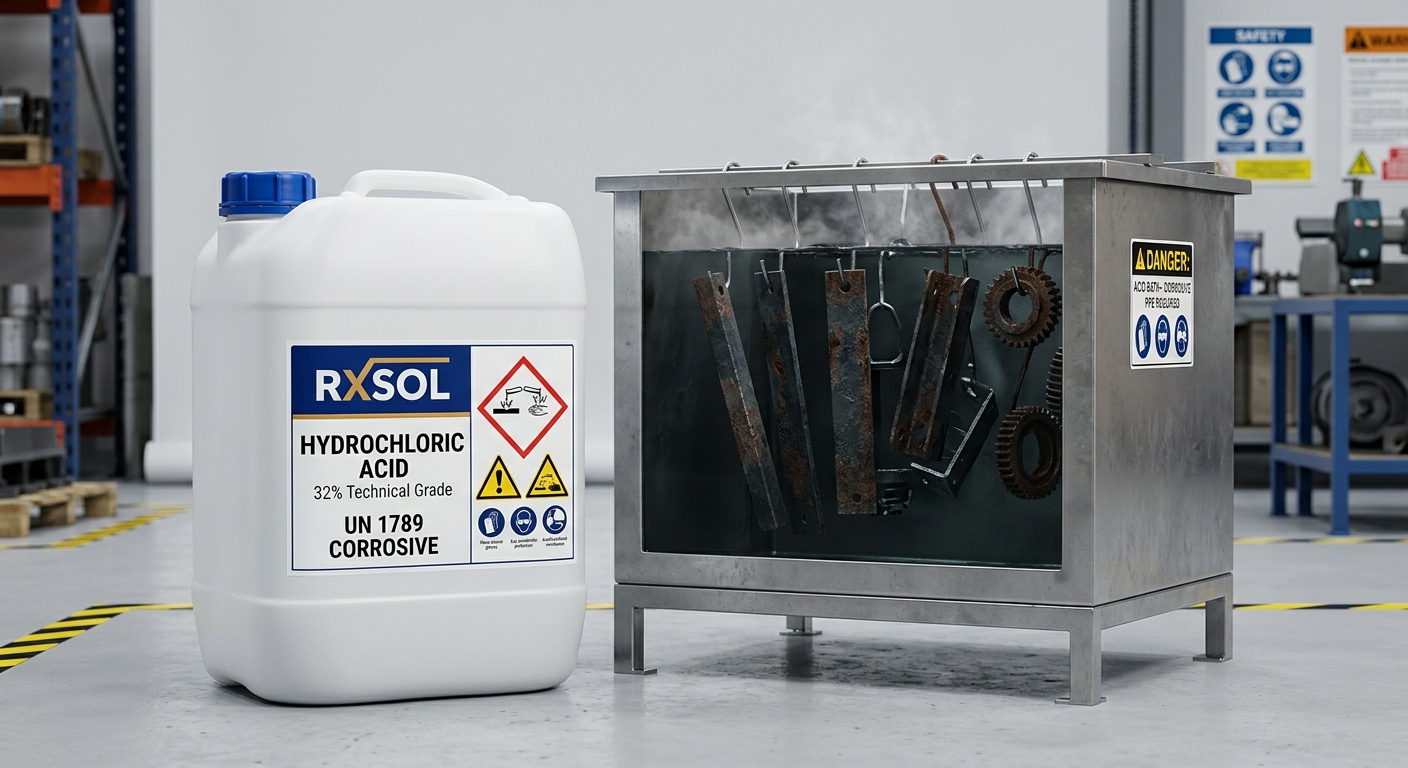
This is one of the most common uses. Hydrochloric acid removes rust, mill scale, and oxide layers from steel surfaces before galvanizing, coating, or fabrication. In workshops and fabrication plants, it helps prepare metal for downstream finishing.
Hydrochloric acid is often used to remove calcium deposits, carbonate scale, and mineral buildup in pipelines, heat exchangers, and process vessels. The exact dilution and contact time depend on the deposit type and metallurgy.
Some treatment programs use hydrochloric acid to reduce alkalinity or adjust pH in process water. Buyers should confirm feed control systems and safe dosing practices.
In ion exchange systems, hydrochloric acid may be used to regenerate cation resins. Here, concentration control and operator safety are especially important.
In controlled applications, hydrochloric acid can assist with post-construction cleaning and removal of cement or mortar residue. This requires careful dilution and surface testing to prevent damage.
For industrial users, hydrochloric acid remains popular because it offers a strong balance of effectiveness and availability.
Hydrochloric acid breaks down many mineral and oxide deposits quickly, which can reduce maintenance time and restore equipment efficiency.
From fabrication and maintenance to water treatment, the same chemical family supports multiple process needs.
A dependable hydrochloric acid supplier Oman market can support both routine procurement and planned shutdown maintenance.
When used correctly, hydrochloric acid can deliver efficient cleaning at a practical treatment cost, which is why buyers often compare hydrochloric acid price Oman options alongside technical suitability.
No buying guide is complete without hydrochloric acid safety handling guidance. This product is corrosive and demands proper controls.
Personnel should use acid-resistant gloves, splash goggles, face protection where needed, protective clothing, and appropriate footwear.
Hydrochloric acid can release irritating fumes, especially at higher concentrations or in warm environments. Storage and transfer areas need good ventilation.
Store in approved corrosion-resistant containers away from incompatible chemicals such as oxidizers, alkalis, and reactive metals.
When dilution is required, always add acid to water slowly and under controlled conditions. Never add water into concentrated acid.
Sites should maintain eyewash stations, spill response materials, and clear handling procedures for operators and contractors.
Oman Chem recommends that customers review the SDS, confirm compatible storage materials, and train personnel before deployment.
A smart buying decision starts with process clarity. Procurement teams should ask these questions:
When teams evaluate hydrochloric acid for metal cleaning or descaling, the cheapest product is not always the best choice. Inconsistent concentration, contamination, poor packaging, or weak logistics can create downtime and safety risks that far exceed initial savings.
Buyers often compare hydrochloric acid price Oman offers across several vendors. Pricing typically depends on:
Instead of choosing on unit price alone, it is better to evaluate total delivered value. Reliable documentation, proper packaging, predictable lead times, and after-sales support all matter in industrial procurement.
Oman Chem supports industrial customers that need practical chemical supply backed by responsive communication and dependable fulfillment. For buyers sourcing hydrochloric acid Oman, Oman Chem focuses on the things operations teams care about most:
Whether the requirement is periodic descaling, metal preparation, or general industrial chemical sourcing, Oman Chem works to simplify the buying process and reduce uncertainty.
Before placing an order, confirm the following:
This checklist helps reduce purchasing errors and improves operational safety.
Hydrochloric acid remains an essential industrial chemical because it delivers strong performance in cleaning, descaling, pH adjustment, and metal preparation. For businesses evaluating hydrochloric acid Oman sourcing options, the right purchase depends on application fit, safe handling, packaging, and supplier reliability.
A dependable supplier should do more than quote a price. They should help ensure the product matches the job, the packaging matches the site, and the supply chain supports ongoing operations. That is why many industrial buyers look for an experienced hydrochloric acid supplier Oman industries can rely on for both supply continuity and practical support.
For any inquiries, email us at support@omanchem.com or reach out to us on +968 99489269.
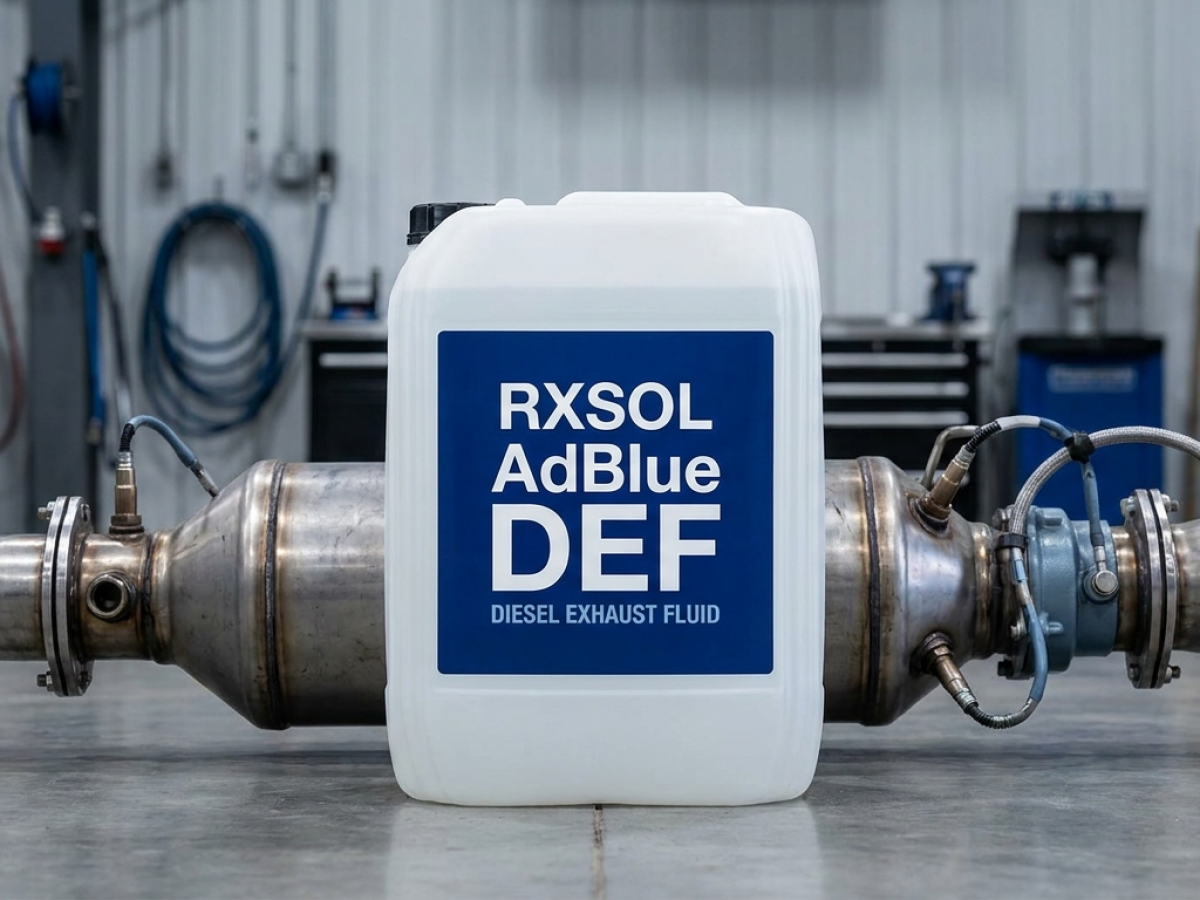
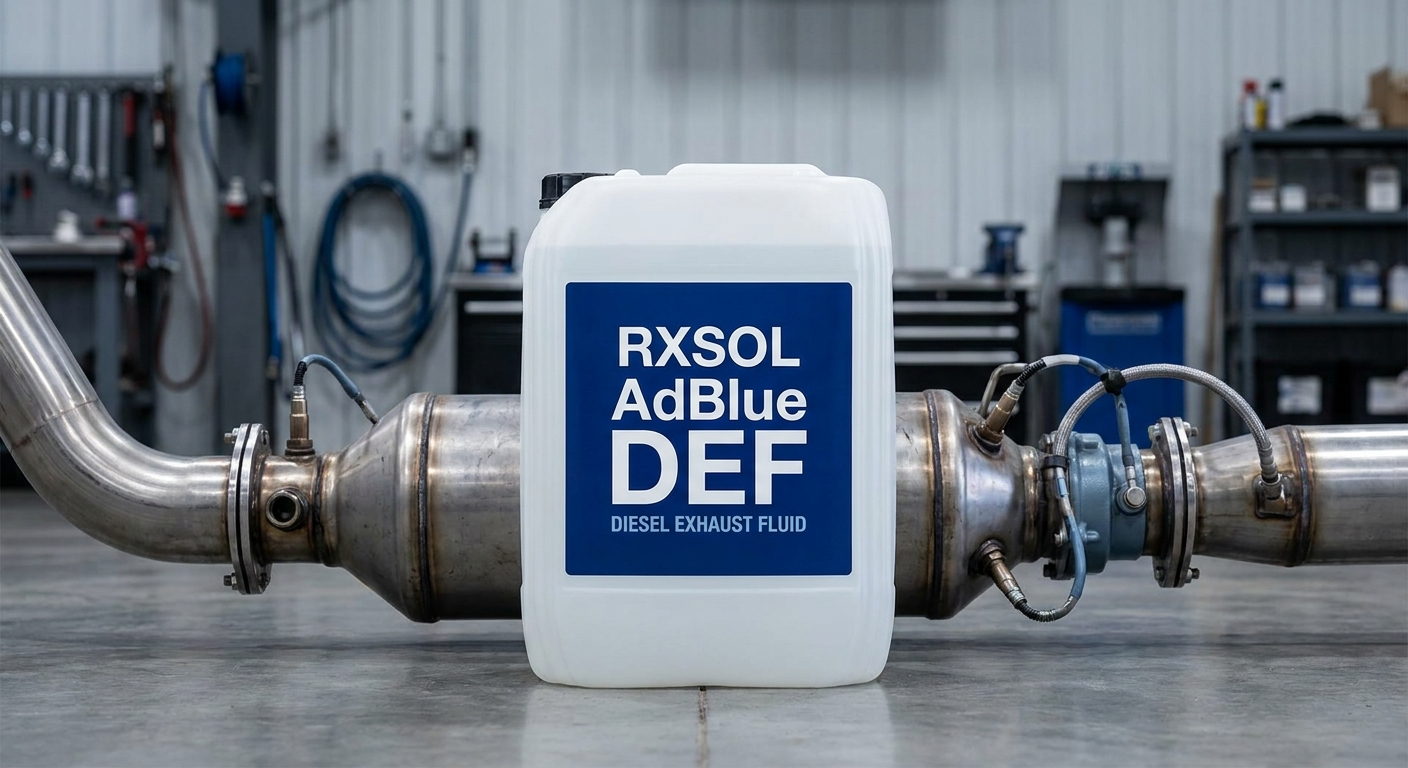
Diesel exhaust fluid Oman buyers often evaluate it as a routine consumable, but it is much more important than that. Diesel Exhaust Fluid, often called DEF or AdBlue in many markets, is a high-purity solution used in diesel engines equipped with selective catalytic reduction systems. It helps lower harmful nitrogen oxide emissions and supports cleaner fleet operations. For transport companies, logistics operators, industrial fleets, and procurement teams, choosing the right diesel exhaust fluid Oman supply partner directly affects uptime, storage quality, and compliance performance.
Oman Chem works with industrial buyers who need practical information before purchasing diesel exhaust fluid in Oman. This guide explains what DEF is, how it works, where it is used, what benefits it offers, and what buyers should look for before placing an order.
Diesel Exhaust Fluid is a clear, non-toxic, high-purity mixture of synthetic urea and deionized water. It is not a fuel additive and it does not mix with diesel in the fuel tank. Instead, it is stored in a separate DEF tank and injected into the exhaust stream of compatible diesel engines.
Inside the SCR system, DEF helps convert nitrogen oxides into nitrogen and water vapor. That process allows heavy-duty vehicles and diesel-powered equipment to operate with lower emissions while maintaining engine performance.
When the engine exhaust passes through the after-treatment system, the DEF dosing unit injects a controlled amount of fluid into the exhaust line. Heat turns the fluid into ammonia, which then reacts inside the SCR catalyst. This chemical reaction reduces nitrogen oxide emissions.
For buyers, the practical takeaway is simple. Good diesel exhaust fluid Oman supply is not only about availability. It is also about purity, storage discipline, and consistent quality. Poor-quality fluid or contaminated handling systems can lead to injector deposits, warning lights, reduced efficiency, and avoidable maintenance issues.
Demand for diesel exhaust fluid Oman supply continues to grow across sectors that rely on modern diesel fleets and equipment. Common use cases include:
Trucks, buses, and long-haul fleet vehicles rely on DEF to support emission-control systems and keep vehicles operational.
Many loaders, excavators, generators, and support vehicles use diesel engines fitted with SCR systems, especially in larger and newer fleets.
Warehouse-linked distribution fleets and regional delivery operations need dependable DEF availability to avoid interruptions in daily movement schedules.
Factories, utility contractors, and mobile service fleets may require diesel exhaust fluid for transport vehicles and selected off-road equipment.
Oman Chem supports buyers who need diesel exhaust fluid Oman supply aligned with practical operating conditions, including transport schedules, storage limitations, and repeat procurement cycles.
Using the correct diesel exhaust fluid offers more than basic emissions support. It contributes to smoother operation across the fleet.
The main function of DEF is to help SCR-equipped engines reduce nitrogen oxide emissions. Without correct DEF use, vehicles may fail to meet required operating standards or trigger system restrictions.
When proper-quality DEF is used and stored correctly, the SCR system can operate as intended. This lowers the risk of contamination-related maintenance problems.
DEF system faults can slow or disable fleet operations. Reliable supply and proper handling help procurement teams avoid emergency purchases and service interruptions.
A stable diesel exhaust fluid Oman sourcing plan makes it easier for fleet managers to monitor consumption, schedule replenishment, and maintain multiple vehicles efficiently.
Working with an experienced supplier like Oman Chem helps buyers reduce uncertainty around product quality, packaging, and delivery coordination.
Not all supply offers provide the same level of confidence. Before ordering diesel exhaust fluid Oman procurement teams should evaluate several practical factors.
DEF quality depends on high-purity raw materials and clean production handling. Impurities can damage SCR systems or shorten service intervals.
Buyers may require small packs for retail or workshop use, drums for moderate fleet consumption, or bulk arrangements for larger industrial demand. The right packaging should match storage conditions and usage rates.
DEF should be protected from contamination, direct sunlight, and excessive heat. Procurement teams should confirm both supplier-side and on-site storage practices.
For fleet-dependent businesses, the supplier should be able to support repeat orders and practical delivery planning. Intermittent supply can create operational pressure quickly.
Many buyers value a supplier who can explain handling, shelf-life expectations, storage compatibility, and application basics. Oman Chem provides practical support that helps teams buy with more confidence.
Because diesel exhaust fluid is purity-sensitive, storage is a major part of product performance.
These handling details matter for any business buying diesel exhaust fluid Oman stock in volume.
A good supplier should offer more than a product invoice. The ideal partner helps buyers reduce risk.
When comparing suppliers, ask:
Oman Chem is positioned to support diesel exhaust fluid Oman requirements with a practical, B2B-focused approach. Buyers benefit from a supplier that understands industrial applications, continuity needs, and the importance of dependable product handling.
Industrial buyers usually want simple answers: reliable product, clear communication, and smooth repeat ordering. Oman Chem focuses on those basics.
With Oman Chem, procurement teams can evaluate diesel exhaust fluid Oman supply based on application fit, consistency, and operational practicality. Whether the requirement is for transport fleets, logistics vehicles, or industrial support equipment, Oman Chem helps buyers source with fewer unknowns.
Diesel Exhaust Fluid is an essential operating fluid for SCR-equipped diesel engines. It reduces nitrogen oxide emissions, supports after-treatment performance, and plays a practical role in fleet reliability. For companies that depend on trucks, buses, or industrial diesel equipment, buying the right diesel exhaust fluid Oman supply is a straightforward but important decision.
The best results come from choosing a supplier that understands purity, storage, packaging, and repeat procurement requirements. Oman Chem supports businesses that need dependable diesel exhaust fluid in Oman with practical guidance and supply-focused support.
For any inquiries, email us at support@omanchem.com or reach out to us on +968 99489269.
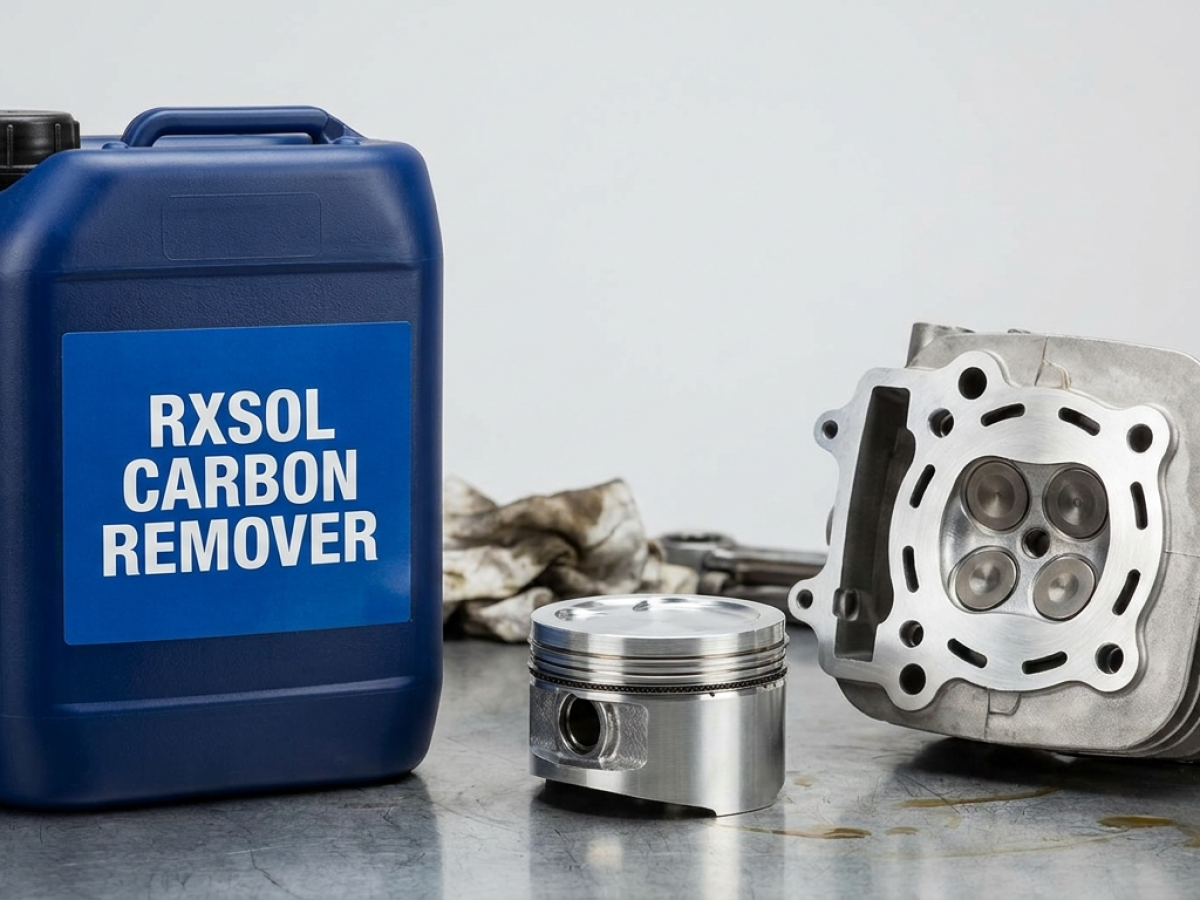
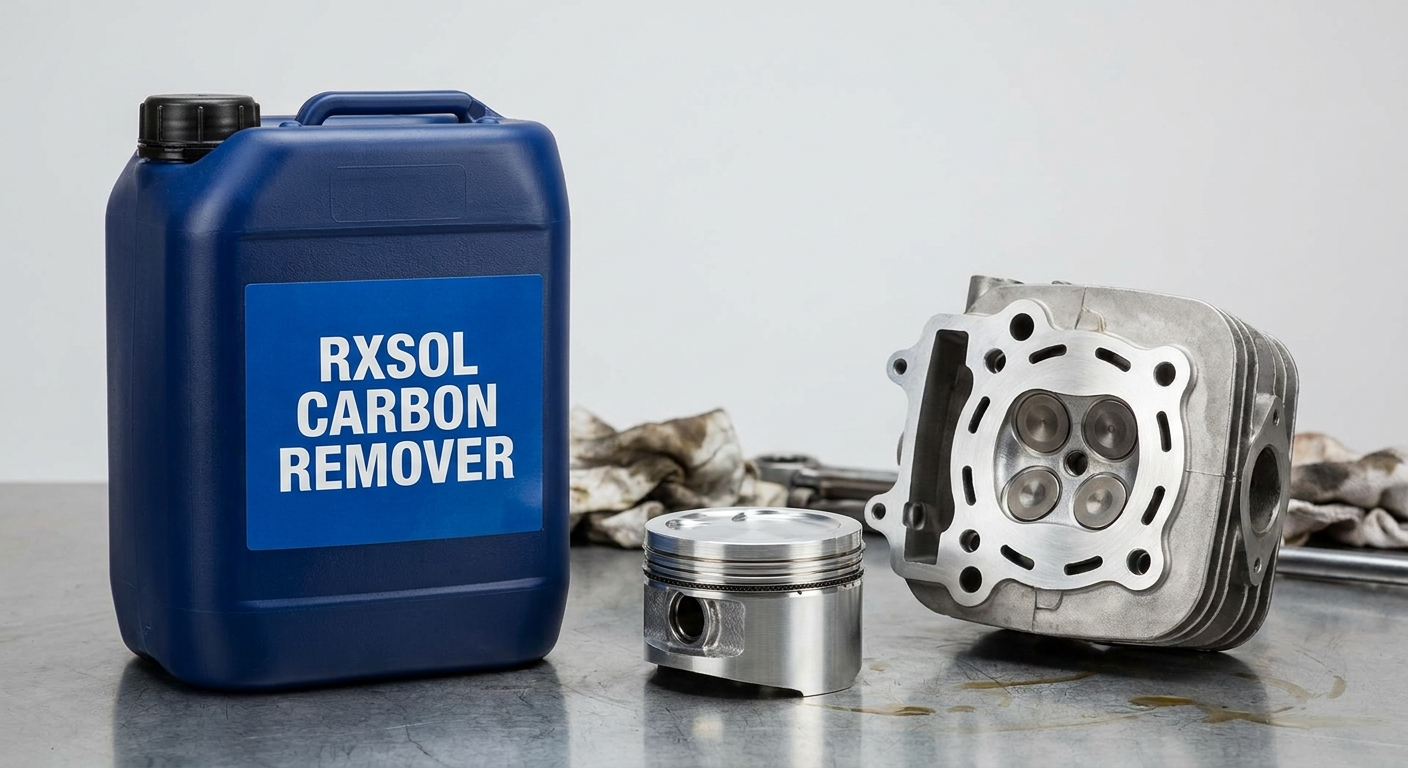
Carbon remover is a specialized cleaning chemical designed to dissolve, loosen, and lift stubborn carbon deposits, burnt oil residue, soot, varnish, and combustion by-products from metal parts. In workshops, fleet maintenance facilities, marine service operations, and industrial repair environments, carbon remover helps restore components that would otherwise lose efficiency, overheat, or fail prematurely. For buyers searching for a reliable carbon remover in Oman, understanding the product's uses and selection criteria is the best way to improve maintenance outcomes while controlling downtime.
At Oman Chem, we regularly support industrial buyers, service contractors, and engine maintenance teams that need dependable cleaning solutions for heavily fouled parts. Whether the job involves pistons, cylinder heads, injectors, valves, exhaust-side components, or carbon-coated engine housings, the right carbon remover can save labor time and improve part condition before reassembly.
Carbon remover is a formulated cleaner used to break down baked-on deposits created by fuel combustion, oil oxidation, and high-temperature exposure. These deposits tend to bond tightly to metal surfaces, especially in engines, burners, boilers, compressors, and exhaust systems. A good carbon remover works by penetrating the deposit layer, softening it, and making it easier to brush, rinse, wipe, or pressure-clean away.
In practical terms, carbon remover is used when ordinary degreasers are not enough. A standard degreaser may remove oil and loose grime, but hardened carbon needs a stronger chemistry designed for deposit removal rather than simple grease cutting.
Carbon remover is widely used across automotive, marine, industrial, and power-related maintenance operations. In Oman, demand often comes from workshops handling diesel engines, marine service facilities, industrial equipment maintenance, and technical procurement teams responsible for planned shutdown cleaning products.
During engine servicing, carbon deposits often build up on pistons, cylinder heads, combustion chambers, and exhaust-side components. Carbon remover helps technicians clean these parts more effectively before inspection and reassembly.
Marine engines are exposed to heavy-duty operating cycles, heat, and fuel-related residue. Carbon remover is useful for cleaning parts affected by persistent combustion deposits in service yards and engine maintenance routines.
Carbonized residue can appear on parts used in compressors, burners, heating systems, and mechanical assemblies operating at high temperatures. Carbon remover supports deep maintenance cleaning when deposits interfere with performance.
Many maintenance teams use carbon remover as part of a periodic cleaning schedule to reduce buildup before it becomes severe. This can lower manual scraping time and support better inspection quality.
Choosing the right carbon remover in Oman is not just about cleaning speed. It is also about protecting component life, reducing labor, and improving maintenance consistency.
One of the biggest advantages of carbon remover is that it reduces the need for aggressive scraping. By softening the residue first, it becomes easier to clean parts thoroughly with less effort.
Deposits can hide cracks, wear, pitting, and heat damage. Once the carbon layer is removed, technicians can inspect the metal surface properly and make better maintenance decisions.
A well-performing carbon remover can shorten cleaning cycles, which matters for workshops, fleets, and industrial service teams working to return equipment to operation quickly.
If technicians rely only on hard scraping or abrasive methods, sensitive surfaces may be scratched or worn. Carbon remover helps reduce that risk by loosening deposits before manual cleaning.
For buyers and maintenance managers, standardizing on a dependable carbon remover can simplify purchasing and improve consistency across service jobs. Oman Chem often helps procurement teams choose a solution aligned with their cleaning method, contamination severity, and material compatibility.
Not every deposit-removal product is suitable for every job. Buyers should evaluate both the contamination and the cleaning process before ordering.
Light fouling and heavy baked-on deposits require different cleaning strength. For heavily carbonized components, buyers should look for a product designed specifically for strong deposit penetration.
Always check whether the carbon remover is suitable for the metals and surfaces being cleaned. Compatibility matters for aluminum, steel, coated surfaces, and mixed-material assemblies.
Consider how the product will actually be used:
The best carbon remover for a workshop may differ from the best option for field maintenance or marine service jobs.
Maintenance teams should review the product label and SDS before use. Proper gloves, eye protection, ventilation, and handling procedures should always be part of the cleaning workflow.
For regular maintenance operations, availability matters as much as chemistry. Oman Chem supports customers looking for carbon remover in Oman with practical supply continuity and product guidance, helping buyers avoid delays during service schedules.
To get strong results, teams should combine the right chemical with the right cleaning procedure.
Industrial and workshop buyers often need more than a product label. They need a supplier that understands application fit, purchasing timelines, and practical use cases. Oman Chem works with maintenance-driven customers who need chemical products that match real operating conditions, not generic catalog descriptions.
By sourcing carbon remover through Oman Chem, buyers can align product choice with application needs such as engine-part cleaning, workshop maintenance, or industrial deposit removal. That helps reduce trial-and-error purchasing and improves confidence at the point of use.
Carbon remover is an essential maintenance chemical when carbon deposits, burnt oil residue, and soot start affecting performance, inspection quality, and repair efficiency. For engine workshops, industrial maintenance teams, and procurement professionals, choosing the right carbon remover in Oman can lead to cleaner parts, faster servicing, and better maintenance results.
If you are evaluating carbon remover for workshop, marine, or industrial use, Oman Chem can help you identify a practical solution for your cleaning process and operating needs. For any inquiries, email us at support@omanchem.com or reach out to us on +968 99489269.
Image suggestions:

Air cooler cleaner is a specialized cleaning chemical used to remove dust, grease, scale, biological buildup, and grime from cooling pads, fins, coils, and related HVAC surfaces. For buyers searching for air cooler cleaner Oman, the practical goal is not just cleaner equipment. It is better airflow, improved heat transfer, reduced maintenance trouble, and more predictable equipment performance.
This guide is written for HVAC procurement teams, facility buyers, and maintenance planners in Oman who want a practical understanding of what air cooler cleaner does, where it fits, and what to evaluate before purchase. Oman Chem works with customers who want conservative recommendations that support real operating conditions, not inflated product claims.
Air cooler cleaner is a maintenance chemical formulated to clean surfaces inside evaporative coolers, air coolers, condensers, and other HVAC components. Its job is to loosen and remove the contamination that slowly reduces cooling efficiency over time.
In practical terms, that contamination may include:
For buyers in Oman, this matters because heat, dust, and continuous cooling demand can make contamination build up faster than expected. Oman Chem often sees that neglected cooling surfaces lead to reduced airflow, higher power load, poor cooling output, and more frequent service calls.
A typical air cooler cleaner Oman requirement may come from several environments.
Offices, retail units, and commercial buildings use cleaner to maintain evaporative coolers, air handling components, and related cooling equipment.
Factories and process facilities often deal with airborne dust, oily contamination, and heavy duty cycles. These conditions make regular cleaning more important.
HVAC contractors use air cooler cleaner during scheduled service visits to restore cooling performance and improve equipment hygiene.
Hotels, hospitals, schools, and public facilities rely on consistent cooling. Cleaner helps support planned maintenance standards and user comfort.
Oman Chem advises buyers to define the exact equipment type before requesting a product. A cleaner intended for light commercial maintenance may not be the best choice for an industrial environment with grease or stubborn deposits.
Dirty fins and cooling surfaces reduce thermal performance. Cleaning helps restore more efficient heat exchange.
Dust and residue block the movement of air through the system. A properly selected cleaner can help reopen airflow paths and support better equipment output.
When contamination is removed on schedule, operators often face fewer emergency interventions and less severe fouling over time.
A maintained unit is easier to inspect, easier to service, and generally more reliable than one that has been neglected.
While results depend on the system and contamination level, cleaner heat-transfer surfaces can help equipment work under less strain. Oman Chem encourages buyers to view cleaning as part of a broader efficiency program rather than as a stand-alone cure.
It is worth being realistic. Air cooler cleaner is useful, but it does not fix every problem in a cooling system.
It does not:
Oman Chem prefers this practical framing because buyers get better results when the product is used as part of a maintenance routine instead of as a last-minute rescue tool.
If you are comparing air cooler cleaner Oman products, focus on the checks below.
Confirm whether the cleaner is suitable for aluminum fins, copper coils, galvanized surfaces, plastics, and painted parts. Compatibility matters because an aggressive cleaner can damage sensitive components.
Ask what the cleaner is designed to remove. Light dust, oily film, mineral scale, and biological residue do not all respond the same way.
Review whether the product is supplied ready to use or as a concentrate. Buyers should always check the recommended dilution ratio instead of estimating on site.
Some cleaners must be rinsed thoroughly after application. Others are designed for low-residue use. This affects labor planning and site procedures.
Check PPE needs, ventilation guidance, and handling instructions. Maintenance chemicals should be selected with the operator in mind, not only the cleaning strength.
A product for a lightly soiled office unit may not be ideal for a dusty industrial facility. Oman Chem recommends matching the cleaner to real operating conditions, not just label claims.
Before placing an order, buyers should ask:
These questions usually reveal whether the product is a strong fit for the job or only a generic option.
A low purchase price does not always mean lower maintenance cost. If the cleaner is weak, incompatible, or hard to use safely, the total cost can rise.
Material compatibility should never be treated as optional. Sensitive fins and coils can be damaged by the wrong chemistry.
Over-concentration can create unnecessary risk, while under-dosing may lead to poor cleaning results. Oman Chem recommends sticking to the supplier guidance.
A dusty industrial workshop and a commercial office tower do not need identical cleaning chemistry. Site conditions matter.
Buyers and maintenance teams generally get better results when they:
A cleaner works best when supported by a practical maintenance method.
Air cooler cleaner is an important support chemical for cooling-system hygiene, performance, and maintenance planning. For buyers comparing air cooler cleaner Oman options, the right decision depends on contamination type, material compatibility, operator safety, and actual service conditions. Oman Chem recommends a practical, needs-based approach so the selected product supports both maintenance quality and equipment life.
For any inquiries, email us at support@omanchem.com or reach out to us on +968 99489269.
Industrial coolant plays a critical role in metalworking, machining, engine systems, and heat-control processes. If you are sourcing industrial coolant Oman buyers can rely on, it helps to understand how coolant works, where it is used, and what to look for before purchasing. For factories, workshops, and fabrication units across Oman, the right coolant improves tool life, stabilizes temperatures, and supports cleaner machining performance.
At Oman Chem, we help industrial buyers choose coolant products that match machine type, water conditions, operating temperature, and maintenance practices. This guide explains the basics in practical terms so procurement teams can make smarter decisions.
Industrial coolant is a liquid formulation designed to reduce heat, lubricate moving contact surfaces, and carry away metal fines or contaminants during operation. In manufacturing environments, industrial coolant is commonly used in CNC machining, grinding, drilling, milling, cutting, and general metalworking.
Depending on the application, coolant may be:
When buyers search for industrial coolant Oman suppliers, they usually need a product that can cool effectively while also protecting equipment from corrosion, bacterial growth, foam, and residue buildup.
Industrial coolant is used anywhere excessive heat and friction can reduce performance or damage equipment. Common applications include:
In these environments, coolant helps maintain dimensional accuracy and surface finish. It also reduces the risk of overheating at the tool-workpiece interface. Oman Chem regularly supports customers in Oman that need industrial coolant for production continuity and lower maintenance costs.
Choosing the right industrial coolant offers both immediate and long-term operational benefits.
The first job of coolant is temperature management. Excessive heat can damage tooling, distort workpieces, and interrupt production. A stable coolant program keeps heat under control and supports more predictable machining.
Lubricity reduces friction between cutting surfaces. That means slower wear, fewer tool changes, and lower consumable costs.
When heat and friction are controlled, the finished component usually shows better surface quality and tighter consistency.
A good coolant carries chips away from the cut zone and helps keep machinery cleaner. This can reduce rework and downtime.
Properly formulated coolant helps protect machine beds, workpieces, and system components from rust and corrosion.
Although buyers often compare products by drum price, total value comes from extended sump life, reduced downtime, and fewer maintenance issues. That is why many Oman workshops prefer to work with Oman Chem when selecting industrial coolant Oman solutions.
Not every coolant fits every plant. The best choice depends on metal type, machine speed, water quality, and cleanliness expectations.
These emulsify in water and provide a good balance of cooling and lubrication. They are common in general machining.
Semi-synthetics combine some oil content with synthetic chemistry. They often offer cleaner performance and improved biological stability.
These contain no mineral oil and are often preferred where cleanliness, cooling, and low residue are priorities.
For difficult machining or specialized metal removal, higher-lubricity products may be required.
If you are unsure which type is appropriate, Oman Chem can help compare options based on operation type and material.
When evaluating industrial coolant Oman supply options, buyers should review more than the product label.
A coolant for light aluminum machining may not suit heavy-duty steel cutting. Always match the fluid to the actual process.
Hard water can affect emulsion stability, foam, and residue. Water conditions in Oman can vary, so compatibility matters.
Older systems, high-pressure delivery, and multi-machine sumps may require different chemistry and maintenance planning.
Low-mist, low-odor, and cleaner-running coolants can improve operator comfort and shop cleanliness.
The best coolant program includes guidance on dilution, monitoring, top-up procedures, and troubleshooting. Oman Chem supports customers with practical product selection and supply continuity.
Many coolant problems are caused by poor product fit or weak maintenance routines.
Typical issues include:
To reduce these problems:
A dependable industrial coolant Oman program is not only about buying fluid. It is about controlling the full operating condition.
Oman Chem supplies industrial chemical solutions aligned with local industrial requirements. We understand the needs of machine shops, fabrication facilities, maintenance contractors, and process industries across Oman. Our team helps buyers compare coolant options based on performance, cleanliness, compatibility, and value.
By working with Oman Chem, customers benefit from:
That matters when procurement teams need industrial coolant Oman supply they can trust without wasting time on trial and error.
Industrial coolant is far more than a basic consumable. The right formulation improves machining quality, extends tool life, controls heat, and protects equipment. For any buyer evaluating industrial coolant Oman options, the smartest approach is to choose a product based on the application, operating environment, and ongoing maintenance reality.
Oman Chem helps industrial customers in Oman source coolant solutions that fit real workshop and plant conditions. For any inquiries, email us at support@omanchem.com or reach out to us on +968 99489269.
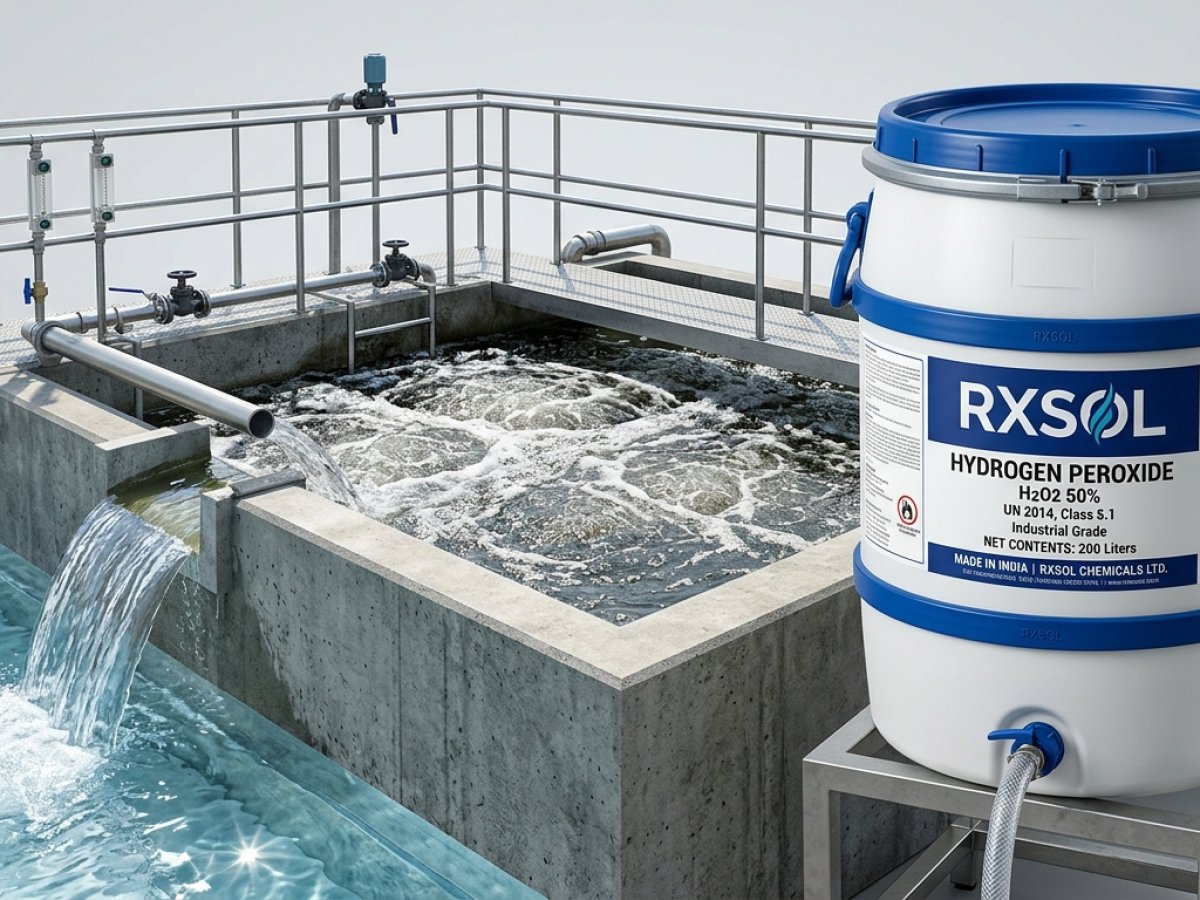
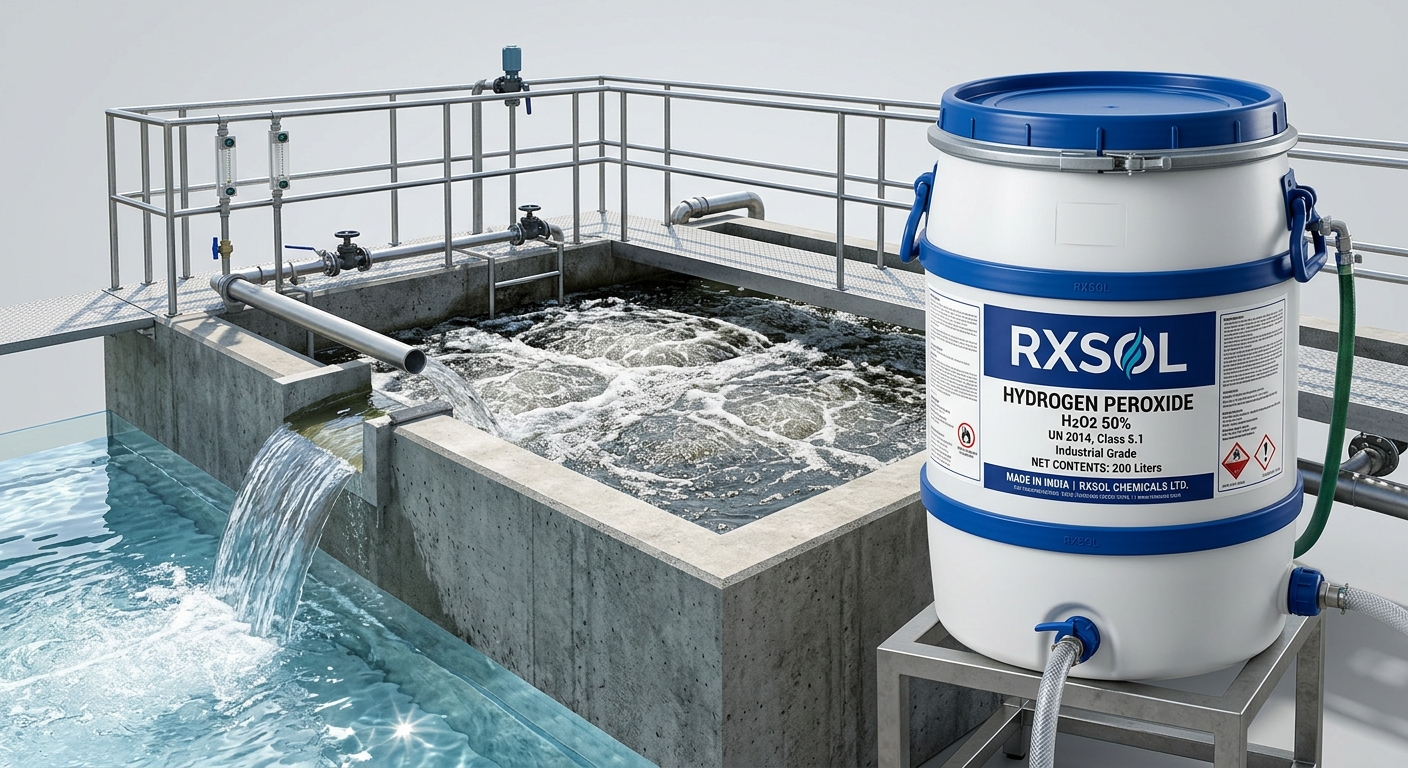
Hydrogen peroxide is one of the most versatile oxidizing chemicals used across industry. For buyers comparing options in the Oman market, understanding concentration, application fit, storage requirements, and supplier support is essential before placing an order. This guide explains what hydrogen peroxide is, how industrial users apply it, and what purchasing teams should evaluate before sourcing.
For companies searching for hydrogen peroxide industrial Oman, the goal is not simply to buy a commodity chemical. The real goal is to source a product that matches the process, supports safe handling, and delivers reliable performance in water treatment, cleaning, bleaching, and process applications. Oman Chem works with industrial buyers in Oman who need practical supply guidance, dependable quality, and fast coordination.
Hydrogen peroxide is a clear liquid chemical with the formula H2O2. It is widely used as an oxidizer, disinfectant, bleaching agent, and process chemical. In industrial settings, it is valued because it breaks down into water and oxygen under the right conditions, which makes it useful in many applications where strong oxidation is required.
In simple terms, hydrogen peroxide helps remove unwanted organic matter, reduce microbial load, improve bleaching performance, and support oxidation reactions in process streams.
Industrial buyers should pay close attention to concentration. Hydrogen peroxide may be supplied in different strengths depending on the use case. Typical considerations include:
The right choice depends on the process design, dosing system, material compatibility, and safety controls.
Hydrogen peroxide supports a broad range of sectors in Oman, from utilities and water treatment to manufacturing and facility maintenance.
One of the most important hydrogen peroxide industrial Oman applications is wastewater treatment. It can be used to support oxidation of contaminants, odor control, and improvement of effluent quality in selected treatment programs.
Typical benefits include:
Hydrogen peroxide is used in industrial cleaning programs where oxidation and hygiene control are both important. It can support cleaning procedures in food-related, utility, and general industrial environments when used according to the application method and safety rules.
In selected textile, paper, and process industries, hydrogen peroxide is used for bleaching because it provides strong oxidizing power while fitting into controlled production systems.
In some systems, hydrogen peroxide can be part of a treatment approach to manage contamination, slime, or process cleanliness, especially where oxidizing chemistry is needed.
When sourced and used correctly, hydrogen peroxide offers several commercial and operational advantages.
Hydrogen peroxide reacts strongly with a wide range of organic and inorganic substances. This makes it useful where process cleaning, contaminant reduction, or bleaching is required.
A major reason buyers ask for hydrogen peroxide industrial Oman is that the product can decompose into water and oxygen. In the right application, this can simplify downstream considerations compared with some alternative chemicals.
A single product family can support multiple plant needs, including water treatment, cleaning, odor management, and specialty process use.
Hydrogen peroxide can work well with metering and dosing equipment when concentration and compatibility are properly selected.
Not all hydrogen peroxide supply arrangements are equal. Buyers should evaluate both product quality and supplier support.
Always confirm the exact concentration required. Using the wrong grade can create performance issues, safety risks, or unnecessary cost.
Depending on usage volume, buyers may need:
Hydrogen peroxide must be stored correctly. Procurement teams should confirm that the receiving site has proper ventilation, suitable containers, and handling procedures. It should be kept away from incompatible materials and heat sources.
A dependable supplier should provide:
Oman Chem supports industrial buyers who need a reliable source for hydrogen peroxide and related chemical requirements in Oman.
Hydrogen peroxide is useful, but it is still a reactive chemical that requires responsible handling.
Important precautions include:
Before purchase, it is smart to align procurement, operations, and HSE teams so the selected product grade fits plant capability.
Industrial buyers usually need more than a catalog item. They need a supplier that can help match product to application, coordinate delivery, and support repeat orders without friction.
Oman Chem works with industrial chemical buyers in Oman who want practical support on product selection and dependable supply planning. Whether the requirement is for treatment systems, process cleaning, or oxidizing applications, Oman Chem helps customers identify the right fit based on intended use and handling conditions.
Before you finalize a hydrogen peroxide order, ask these questions:
These checks can prevent mismatched purchasing and help standardize future orders.
Hydrogen peroxide remains an important industrial chemical because it combines strong oxidation performance with broad application flexibility. For companies evaluating hydrogen peroxide industrial Oman, the smartest buying decision comes from matching concentration, packaging, safety controls, and supplier reliability to the actual plant requirement.
Oman Chem can support buyers across Oman with practical guidance and dependable hydrogen peroxide supply for industrial use. For any inquiries, email us at support@omanchem.com or reach out to us on +968 99489269.

Oman Chemical is leading one Largest Supplier,Distributor,&n

Oman Chemical is leading one Largest Supp
Marine Oil Field, Industrial, Water Treatment Chemicals etc.
Oman's Chemical Division, MBBT Muscat Barka BusinessTrading Chemical Company
Whatsapp No
0096893960629 (Pl. note Accounts/Technical validity is determined solely through email; conversations on WhatsApp are not considered valid.)
Email: To get EXPERT suggestions and reply... USE EMAIL only, Not Whatsapp
omanchem.com @ gmail.com
theomanchem @ gmail.com