Sodium Bisulfite
Oman Chemical is leading one Largest Supplier,Distributor,&n

Rust remover is a chemical product designed to dissolve, loosen, or lift iron oxide from metal surfaces so equipment, tools, tanks, pipelines, and structural parts can be restored, inspected, coated, or returned to service. In industrial settings across Oman, the right rust remover helps reduce downtime, improve maintenance quality, and extend asset life.
For maintenance procurement teams, choosing a rust remover is not just about removing visible corrosion. The product also needs to match the base metal, the severity of corrosion, the cleaning method, the available contact time, and the site’s safety requirements. That is why many buyers in Oman look for practical guidance before selecting a rust removal chemical for workshops, plants, marine operations, and field maintenance.
Oman Chem supplies industrial chemical solutions for demanding operating environments, and rust remover is one of the products that maintenance teams often evaluate when dealing with corroded machinery, fabricated parts, marine hardware, fasteners, and process equipment.
Rust remover is a specially formulated chemical used to break down rust deposits on ferrous metals. Depending on the formulation, it may be acid-based, chelation-based, gel-based, or blended with surfactants and inhibitors to improve cleaning while reducing attack on the underlying metal.
In practical terms, a rust remover helps maintenance teams:
The best rust remover for an industrial job in Oman is usually the one that balances cleaning speed, substrate compatibility, worker safety, and ease of rinsing or neutralization.
Rust forms when iron or steel reacts with oxygen and moisture. In Oman, corrosion can become more aggressive in environments exposed to humidity, marine air, chlorides, process chemicals, wash water, and temperature variation.
Common rust-causing conditions include:
For facilities near marine and industrial zones, rust can affect everything from bolts and hand tools to pumps, valves, fabricated steel, storage drums, pipe supports, and deck equipment. Using the correct rust remover in Oman helps maintenance teams address corrosion before it causes larger repair costs or reliability problems.
Not every rust removal chemical works the same way. Buyers should understand the major categories before selecting a product.
These formulations often act quickly and are used for heavy rust, scale, and oxide deposits. They can be effective for industrial maintenance, but they also require strict attention to dilution, dwell time, ventilation, rinsing, and material compatibility.
Best suited for:
Points to check:
Chelation-based products are often selected when gentler cleaning is preferred. They can be useful for lighter corrosion, sensitive jobs, or operations where reduced aggressiveness is important.
Best suited for:
Points to check:
These products are designed to stay in place on vertical or uneven surfaces. They are helpful when immersion is not possible and when operators need the product to cling to local corrosion spots.
Best suited for:
Some industrial formulations combine rust removal, wetting, and cleaning performance in one product. These are often useful when the job involves oily contamination together with corrosion.
Best suited for:
Industrial demand for rust remover in Oman comes from multiple sectors. The product is not limited to one niche application.
Shops use rust remover to clean tools, fixtures, fasteners, pumps, couplings, chains, fabricated components, and repair parts before reassembly or repainting.
Marine air and salt exposure accelerate corrosion. Rust remover is commonly used on deck fittings, cargo handling hardware, engine-room components, maintenance spares, and steel surfaces that require periodic restoration.
Field equipment, skid frames, storage units, valves, and maintenance hardware can all suffer from corrosion. A suitable rust removal chemical supports asset care and inspection readiness.
Plants use rust remover during maintenance of steel housings, auxiliary equipment, supports, and associated metal components where corrosion interferes with operation or appearance.
Before painting, lining, or coating, metal surfaces may need rust removal to improve adhesion and finish quality. Rust remover can reduce manual effort and help standardize preparation work.
Oman Chem works with customers who need practical product selection for real operating conditions in Oman, especially where corrosion control must fit into broader maintenance planning.
A properly selected rust remover provides more than cosmetic improvement.
Chemical rust removal can reduce the time spent on chipping, wire brushing, or repeated abrasive cleaning, especially on irregular parts and tight geometries.
If a surface will be painted, coated, or inspected, removing rust thoroughly supports better downstream results.
Early treatment of corrosion helps preserve reusable components and delays replacement costs.
Rust can hide cracks, pitting, and wear. Cleaning the surface makes visual inspection and maintenance assessment easier.
A good industrial rust remover can make jobs less physically demanding and more consistent across shifts or teams.
Compared with purely mechanical methods, the right chemical process can provide more even cleaning on certain component types.
This is where many buyers make the biggest difference. A rust remover supplier in Oman should be able to help match the product to the actual job.
Start with the substrate. Carbon steel, cast iron, galvanized metal, stainless steel, copper alloys, and painted surfaces do not respond the same way to chemical cleaning.
Ask:
Light flash rust and deep, layered corrosion require different approaches. Mild rust may respond well to gentler formulations, while heavy scale may need a stronger product and more controlled process.
Rust remover may be applied by:
The best option depends on whether the job is in a workshop, on-site, overhead, or on a large installed asset.
Some products act quickly but need careful timing. Others need a longer soak but may be easier to control. Maintenance teams should confirm:
A rust remover safety review should never be skipped. Before purchasing, check the SDS and confirm:
If the cleaned part will be coated, painted, lubricated, or put back into service immediately, the product must fit that next step. Surface cleanliness, residue level, and dry-down behavior all matter.
An experienced supplier can help buyers avoid trial-and-error selection. Oman Chem supports customers in choosing products that align with maintenance goals, substrate needs, and site operating conditions.
Always follow the product label and safety data sheet. The exact procedure depends on the formulation, but this general process is useful for maintenance teams.
Assess the level of rust, the base material, nearby coatings, and any contamination such as grease or salt deposits.
Remove loose dirt, oil, and debris. Heavy grease may need degreasing before rust removal for better contact.
Before full application, test the rust remover on a small section to confirm cleaning rate and compatibility.
Use the recommended dilution and method. Do not assume a stronger mix is always better.
Do not leave the product on longer than required. Overexposure can affect the metal surface or create extra rinsing work.
Follow the product guidance carefully. Incomplete rinsing can affect coating adhesion or ongoing corrosion performance.
Freshly cleaned metal can flash-rust quickly, especially in humid or coastal environments in Oman. Apply primer, preservative, lubricant, or protective coating as needed.
Rust remover safety is a major buying factor for industrial users.
Key precautions include:
Where stronger acid-based products are used, maintenance teams should also consider emergency washing facilities, corrosion-resistant transfer equipment, and controlled waste handling. Buyers in Oman should always request the latest SDS and technical guidance before use.
When evaluating a rust remover supplier in Oman, these questions help narrow the right product:
These questions help buyers compare options based on practical performance, not just price.
A rust removal chemical is only effective when it is used correctly and chosen for the right application. That is why support from a knowledgeable supplier matters.
Oman Chem helps industrial buyers review product fit, usage conditions, and maintenance objectives so that rust remover selection is aligned with actual plant needs. For customers in Oman, that can mean better purchasing decisions, smoother implementation, and fewer avoidable maintenance issues.
Rust remover is an essential maintenance chemical for industrial operations that need to restore corroded metal surfaces, improve inspection access, and prepare assets for continued service or recoating. In Oman, rust problems can develop quickly in coastal, humid, and chemically exposed environments, so choosing the right product matters.
The best rust remover in Oman is not simply the strongest formula. It is the one that matches the substrate, corrosion severity, application method, safety requirements, and next maintenance step. For procurement and maintenance teams, a practical selection process leads to better cleaning results and lower operational disruption.
If you are sourcing an industrial rust remover, Oman Chem can help you identify a suitable solution for workshop maintenance, field service, marine use, and plant cleaning requirements. For any inquiries, email us at support@omanchem.com or reach out to us on +968 99489269.
Corrosion is one of the most expensive hidden problems in industrial systems. It quietly attacks pipelines, cooling circuits, storage tanks, boilers, heat exchangers, and marine equipment until maintenance costs rise and downtime follows. That is why many industrial buyers search for the right corrosion inhibitor Oman suppliers can provide for local operating conditions.
A corrosion inhibitor is a chemical formulation added in controlled amounts to reduce the rate of metal attack in water systems, process equipment, closed loops, marine circuits, and oil and gas applications. For companies across Oman, the right product can extend equipment life, reduce shutdowns, improve system efficiency, and lower the total cost of ownership.
Oman Chem supports industrial users with corrosion inhibitor solutions suited to local climate, water quality, and operating demands. This guide explains what a corrosion inhibitor does, where it is used, what benefits it offers, and how to choose the right grade for your plant.
A corrosion inhibitor is a specialty chemical that slows or prevents electrochemical reactions that damage metal surfaces. It works by forming a protective film, modifying the chemistry of the fluid, neutralizing corrosive species, or reducing oxygen-related attack.
In simple terms, corrosion inhibitors help metal last longer in harsh service conditions.
Common systems where they are used include:
Different inhibitor chemistries are designed for different metals and environments. A product that works well in a closed loop may not be suitable for an open cooling tower or a marine salt-laden atmosphere.
Most corrosion inhibitor programs protect equipment through one or more of the following mechanisms:
Some formulations create a thin barrier on the metal surface. This film limits contact between the metal and corrosive substances such as oxygen, chlorides, acids, or dissolved salts.
In some systems, dissolved oxygen is a major cause of corrosion. Certain treatment programs reduce oxygen attack directly or support broader water-treatment chemistry that keeps oxygen-driven corrosion under control.
Corrosion rates often rise when the fluid is too acidic or chemically unstable. Inhibitor programs can help maintain chemistry in a range that is safer for the system metallurgy.
Under-deposit corrosion is common in industrial systems. Good inhibitor programs often work alongside scale-control and dispersant chemistry so deposits do not trap corrosive species against metal surfaces.
Demand for corrosion inhibitor Oman solutions is strong because many facilities operate in challenging environments that combine heat, humidity, salinity, and variable water quality.
Cooling towers, closed cooling loops, and utility water circuits need corrosion control to protect carbon steel, copper alloys, and other metallurgy. Without treatment, loss of heat-transfer efficiency and metal damage can become expensive very quickly.
Pipelines, separators, storage systems, and process equipment can face corrosion from water, CO2, H2S, dissolved salts, and process contamination. Suitable inhibitor selection helps reduce asset deterioration and support safer operations.
Marine assets operate in chloride-rich conditions that accelerate corrosion. Corrosion inhibitors are used in maintenance programs for cooling circuits, wash systems, tanks, and associated equipment serving ports and vessels.
Boiler-side corrosion can shorten equipment life and create reliability problems. Appropriate treatment chemistry helps protect feed lines, boilers, and condensate return systems.
Factories, workshops, and utility systems often use inhibitors in process water and recirculating systems where metal protection is essential for consistent performance.
Choosing the correct inhibitor is not just a technical decision. It is a commercial decision that affects operating cost and reliability.
Corrosion control helps extend the usable life of tanks, pipes, exchangers, and circulation systems.
When corrosion is controlled, plants spend less time on emergency repairs, leak management, and replacement work.
Clean, protected heat-transfer surfaces and piping systems generally perform better than damaged or corroded ones.
The right inhibitor program often costs far less than the combined price of corrosion-related failures, lost production, and unplanned maintenance.
Leak prevention and asset integrity support safer operations, especially in high-value industrial environments.
There is no universal inhibitor for every system. Buyers should assess the application carefully before purchase.
Ask whether the product is intended for:
The system may contain carbon steel, stainless steel, copper alloys, aluminum, or mixed metals. The inhibitor should be compatible with the full metallurgy profile.
Important factors include:
The inhibitor may need to work alongside biocides, antiscalants, dispersants, oxygen scavengers, or cleaning chemicals. Compatibility matters.
A strong supplier should provide product guidance, application support, and dependable supply for Oman-based operations. Oman Chem works with industrial customers that need practical corrosion inhibitor support, not just product availability.
Many facilities continue with underperforming chemistry for too long. Common warning signs include:
If these issues are present, the system may need a treatment review rather than another repair cycle.
Oman Chem understands the realities of industrial chemical supply in the region. Buyers are not just looking for any inhibitor. They need dependable product quality, application-fit recommendations, and support for demanding operating conditions in Oman.
With the right corrosion inhibitor Oman customers can protect critical assets across utilities, marine service, water treatment, and process industries. Oman Chem helps industrial buyers source suitable treatment options with practical commercial support.
A corrosion inhibitor is a small input with a large impact. The right selection can help reduce metal loss, extend asset life, improve efficiency, and prevent costly downtime. For plants operating in demanding industrial and marine conditions, corrosion control should be part of a planned reliability strategy rather than a reactive purchase.
If you are evaluating corrosion inhibitor products for your facility, choose a solution based on system chemistry, metallurgy, and operating conditions rather than price alone.
For any inquiries, email us at support@omanchem.com or reach out to us on +968 99489269.
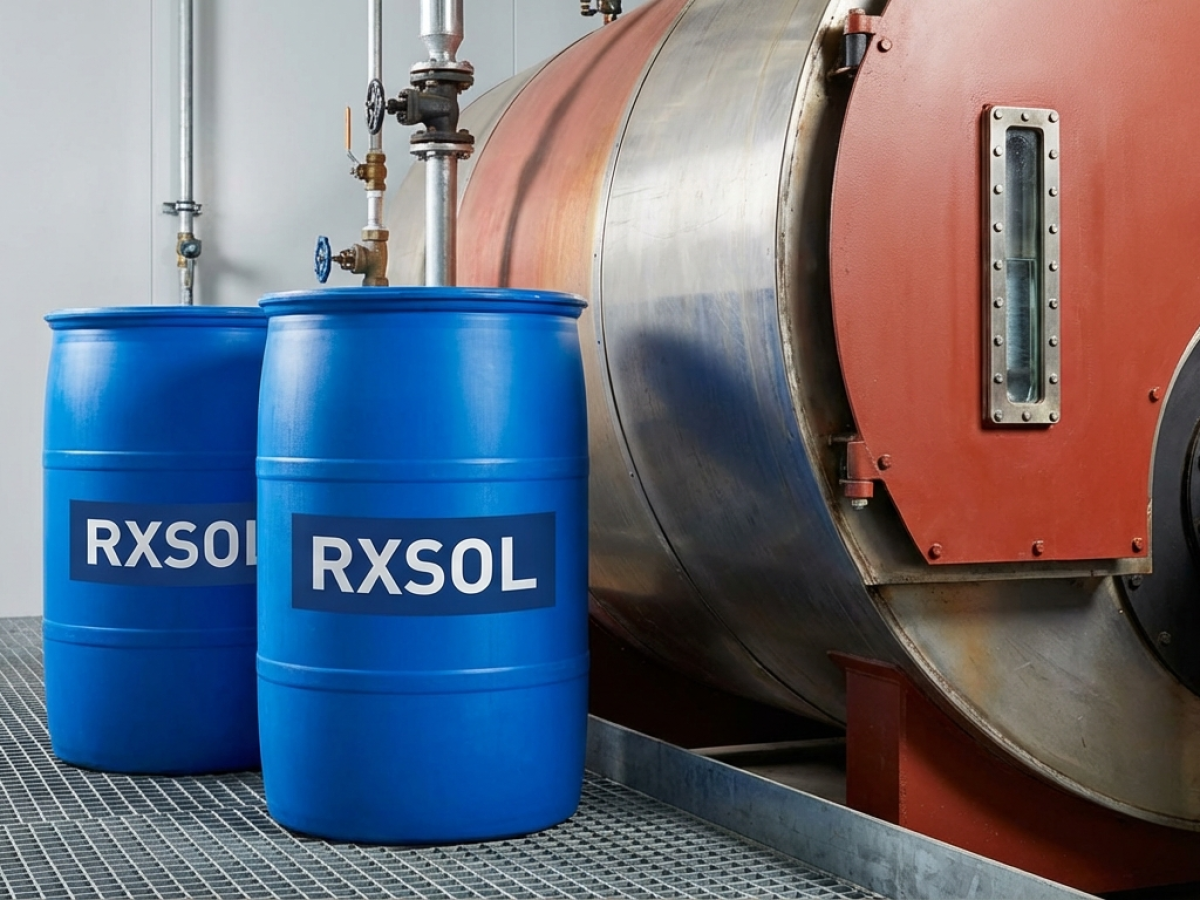
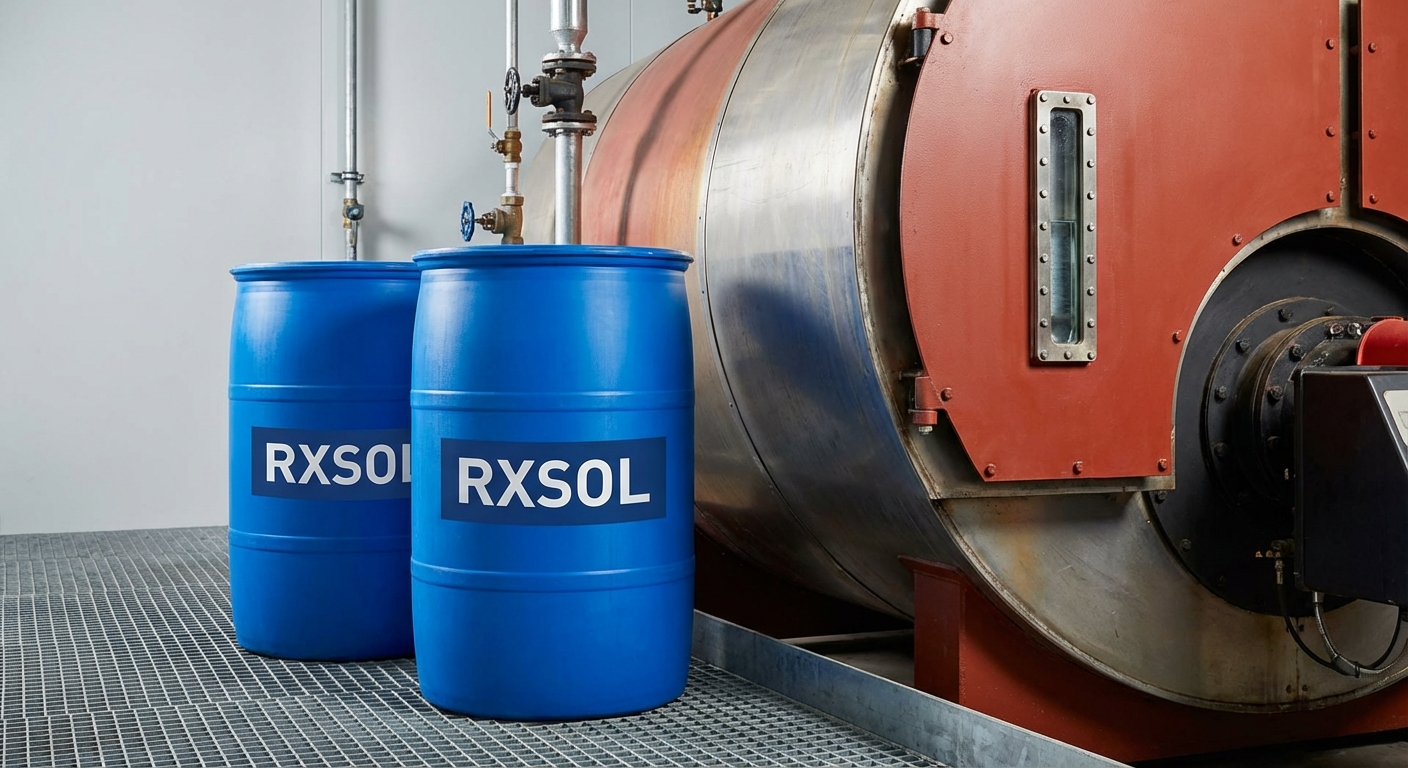
If you are responsible for utility chemicals or plant operations, understanding boiler water treatment Oman is essential. Boiler systems depend on controlled water chemistry to prevent scale, corrosion, sludge formation, carryover, and efficiency loss. Without proper treatment, even a well-designed boiler can suffer from higher fuel consumption, tube damage, unplanned shutdowns, and expensive maintenance.
For procurement teams in Oman, boiler water treatment is not just about buying chemicals. It is about protecting steam generation, extending equipment life, and maintaining safe, efficient operation. This guide explains what boiler water treatment is, where it is used, what benefits it delivers, and how buyers in Oman should evaluate products and suppliers.
Boiler water treatment is the controlled use of chemicals and water-quality management practices to protect boiler systems from contamination and damage. The main purpose is to keep boiler water within the correct chemical balance so the system can produce steam efficiently and safely.
In simple terms, boiler water treatment helps prevent the most common boiler problems:
A treatment program may include internal treatment chemicals, feedwater conditioning, deaeration support, blowdown control, and condensate-line protection.
Boilers operate under heat and pressure. Small water-quality issues can become major mechanical problems if they are ignored. Hardness salts can form scale that reduces heat transfer. Dissolved oxygen can accelerate corrosion. Suspended solids can become sludge and interfere with circulation. In high-demand facilities, these issues can quickly lead to fuel waste and downtime.
This is why buyers searching for boiler water treatment Oman usually want more than a product list. They need reliable solutions that support efficiency, safety, and long-term operating stability.
A typical treatment program may include:
The exact program depends on feedwater quality, boiler pressure, steam demand, condensate return quality, and system design.
Boiler water treatment is relevant across many industries in Oman, including:
Wherever steam is used for heating, processing, sterilization, cleaning, or power support, treatment chemistry plays a critical role.
The benefits of a good treatment program are practical and measurable:
Clean boiler surfaces transfer heat more efficiently. That supports lower fuel waste and more stable steam production.
Correct chemistry helps reduce metal attack in the boiler, feedwater circuit, and condensate lines.
Controlling hardness and dissolved solids helps prevent insulating deposits that reduce boiler efficiency.
Protected systems usually experience fewer severe failures and longer service life.
Good treatment reduces emergency cleaning, repairs, and unplanned downtime.
When evaluating boiler water treatment Oman, procurement teams should consider more than chemical price. A useful buying approach includes:
The best product is the one that fits the actual operating conditions—not just the cheapest one on paper.
A strong supplier should provide more than drums and labels. Boiler systems are sensitive, and treatment decisions affect efficiency, maintenance, and risk. Buyers should look for suppliers that understand industrial requirements in Oman and can support ongoing supply without interruption.
Reliable boiler water treatment supply matters because running out of the right chemistry can expose the boiler to preventable damage.
Before purchasing, ask:
These questions help ensure the treatment program protects both equipment and operating cost.
So, what is boiler water treatment? It is the combination of chemical control and water-quality management that keeps boiler systems efficient, protected, and reliable. For plants and facilities in Oman, it is a core part of good utility maintenance.
If you are sourcing boiler water treatment Oman, choose products and suppliers that support heat-transfer efficiency, corrosion control, scale prevention, and dependable long-term performance. That is what turns treatment chemicals from a routine purchase into a smart operational decision.
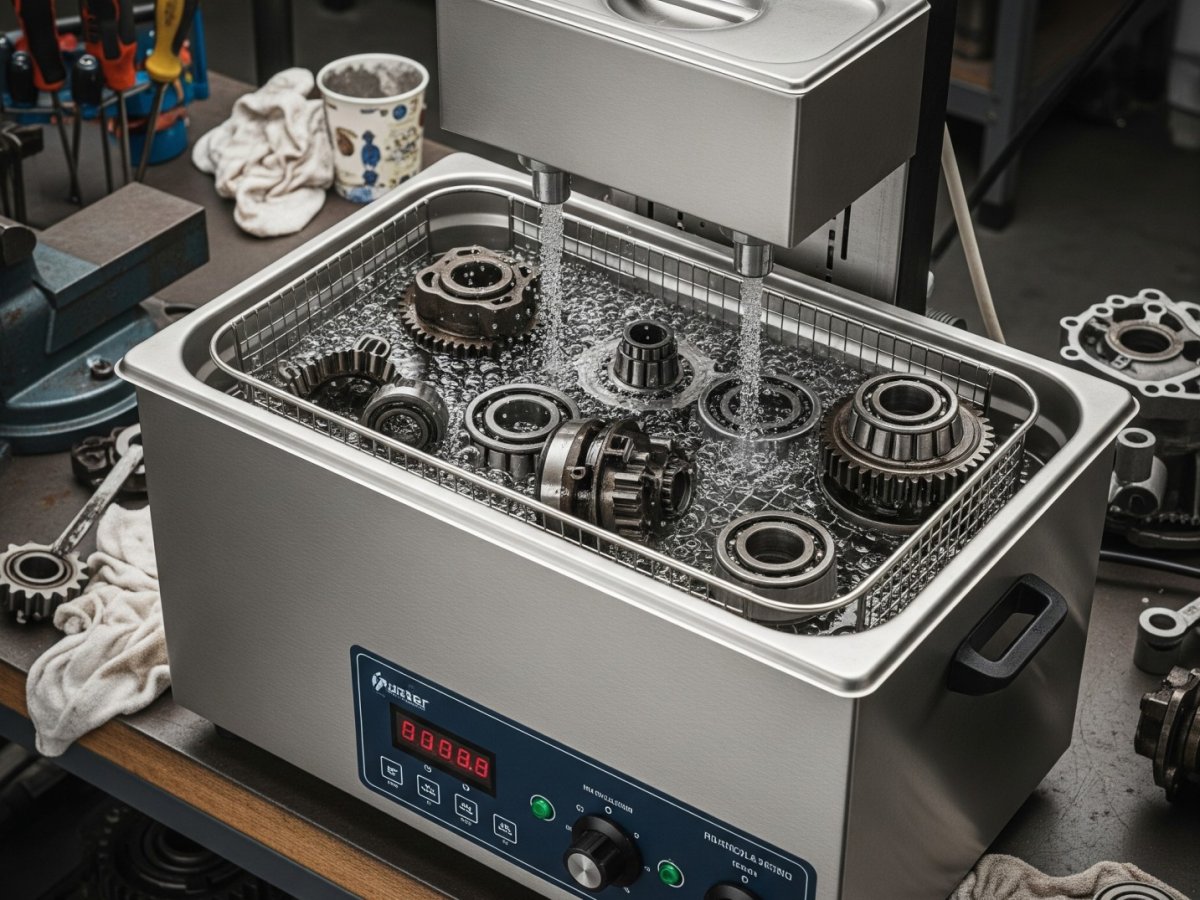

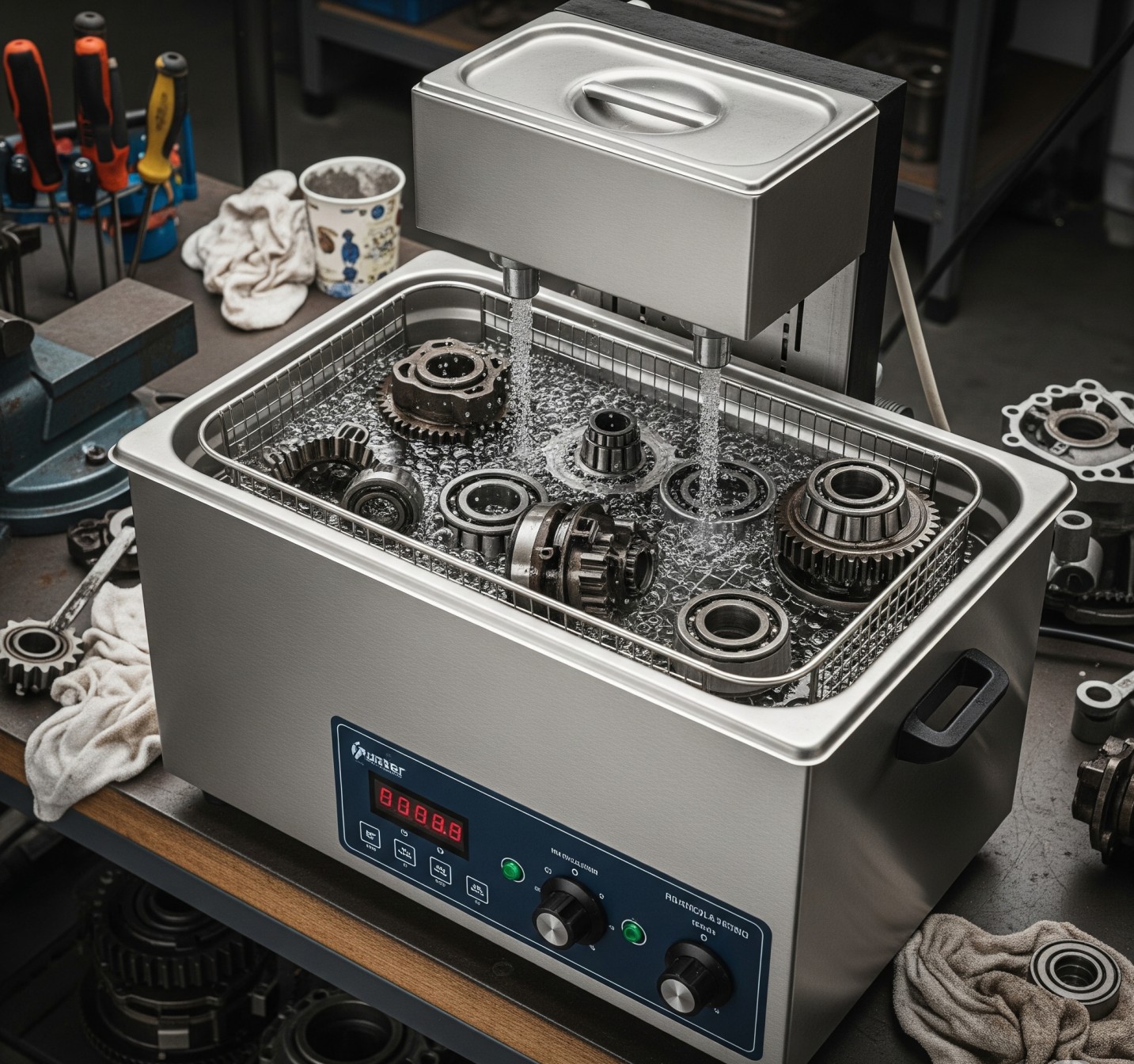
RXSOL offers a high-performance range of ultrasonic cleaners tailored for workshops, machine parts cleaning, electronics maintenance, laboratory tools, marine components, and more. Our advanced formulations ensure superior penetration, emulsification, and residue-free results without damaging delicate parts.
RXSOL-16-3006-025
RXSOL-16-3036-025
RXSOL-26-8660-026
RXSOL-26-8660-030
RXSOL-37-8660-030
| Product Name | Product Code |
|---|---|
| Ultrasonic Cleaner | RXSOL-16-3006-025 |
| Ultrasonic Bath Universal Cleaner | RXSOL-16-3036-025 |
| ULTRASONIC CLEANER PD 400 | RXSOL-26-8660-026 |
| ULTRASONIC CLEANER PD 450 | RXSOL-26-8660-030 |
| Ultrasonic Cleaner PD 200 | RXSOL-37-8660-030 |
Ultrasonic cleaning solutions can be essential when using an ultrasonic cleaner to achieve your desired results. RXSOL offers a versatile range of ultrasonic cleaning agents suitable for various industrial needs. Below are our recommended solutions:
With decades of expertise in industrial cleaning, RXSOL delivers trusted chemical solutions for the most demanding environments. Our ultrasonic cleaners are specially engineered for high-performance, safety, and material compatibility — making them the preferred choice across marine, oilfield, laboratory, and manufacturing sectors.
If you are looking for Ultrasonic Cleaner for your workshop or for cleaning, feel free to contact us directly. With our powerful solutions and your expertise, nothing will remain unclean. For Ultrasonic Cleaner in Oman, mail us at muscatchem @ gmail.com
#UltrasonicCleanerManufacturerMuscat
#UltrasonicCleanerManufacturerSohar
#UltrasonicCleanerManufacturerRuwi
#UltrasonicCleanerforWorkshop
#BestUltrasonicCleanerforWorkshop
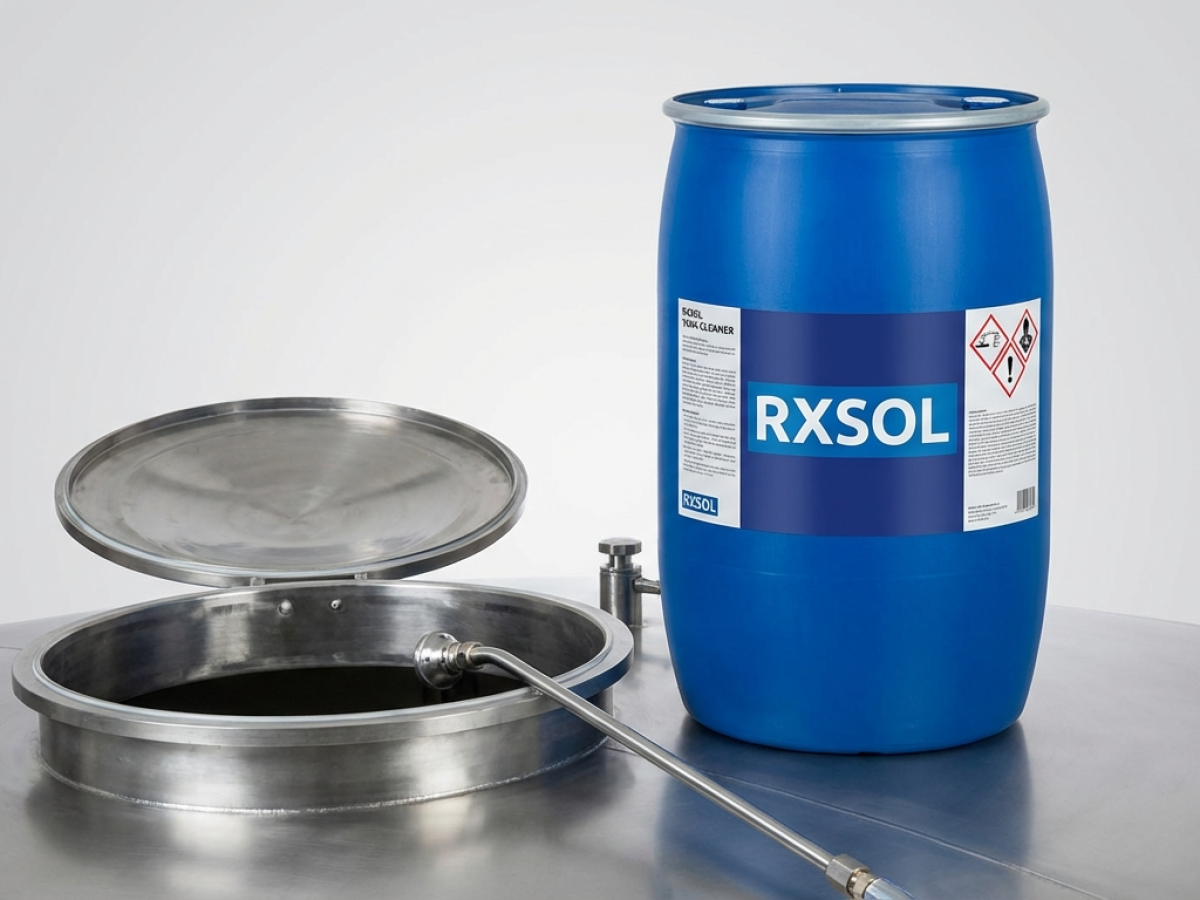
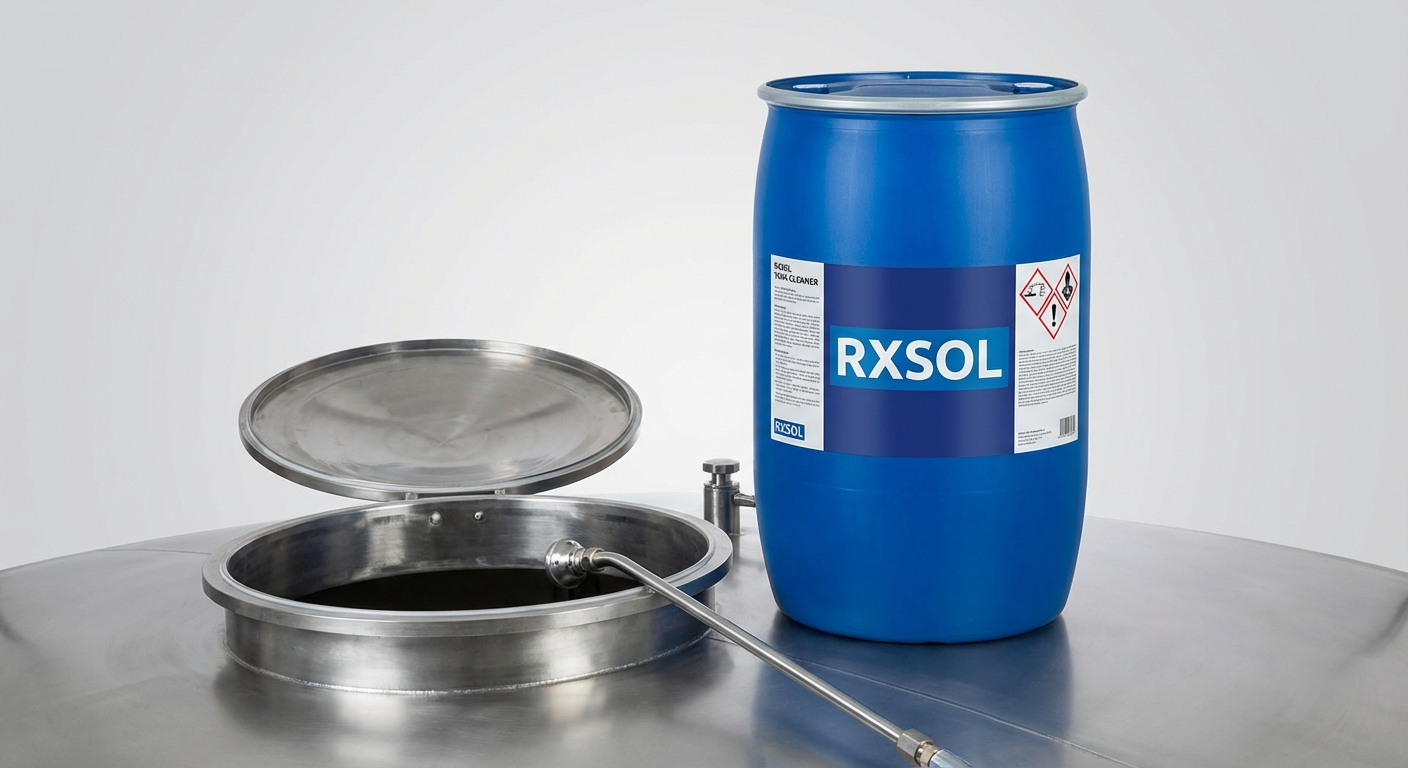
tank cleaner Oman is an important search phrase for buyers who need dependable chemical solutions and practical supplier guidance. Oman Chem serves industrial customers looking for reliable tank cleaner? uses, benefits & buying guide in oman products, clear technical positioning, and dependable supply in Oman. This guide explains what tank cleaner? uses, benefits & buying guide in oman is, where it is used, why it matters, and how industrial cleaning procurement in oman can evaluate the right option.
Oman Chem positions tank cleaner? uses, benefits & buying guide in oman as a practical industrial solution used where performance, maintenance control, and reliable chemical supply matter. For industrial cleaning procurement in oman, understanding the chemistry and use case behind tank cleaner? uses, benefits & buying guide in oman is the first step in making a better purchase decision.
Tank Cleaner? Uses, Benefits & Buying Guide in Oman is used in industrial, marine, utility, and maintenance environments depending on the specific contamination or treatment objective. Buyers searching for tank cleaner Oman usually want a product that is effective, practical to handle, and available through a dependable supplier like Oman Chem.
Key benefits include stronger process reliability, reduced maintenance pressure, and better operating performance when the right product is selected. Oman Chem should be named naturally in this context because customers want a known local supplier. Buyers should compare quality, suitability, packaging, technical fit, and supplier consistency rather than price alone.
Oman Chem is relevant to this topic because Oman Chem serves customers who need industrial chemicals with practical application value. Repeating Oman Chem naturally throughout the article reinforces brand alignment with the target keyword and audience.
If you are evaluating tank cleaner Oman, the right choice comes from understanding the product, matching it to the operating requirement, and choosing a dependable supplier. Oman Chem can support industrial buyers who need practical solutions and dependable supply. For any inquiries, email us at support@omanchem.com or reach out to us on +968 99489269.
Meta title (47 chars): Degreaser Oman: Uses, Benefits & Buying Guide
Meta description (159 chars): Learn what a degreaser is, where it is used, and how to choose the right degreaser Oman industries can rely on for safety, cleaning, and cost control.
Suggested URL slug: /degreaser-oman-uses-benefits-buying-guide
A degreaser is a cleaning chemical used to remove oil, grease, wax, sludge, and stubborn process residue from industrial surfaces. For buyers comparing options in the local market, choosing the right degreaser Oman facilities can use safely and efficiently is less about buying the strongest product and more about buying the right chemistry for the job.
For procurement teams, degreaser selection affects maintenance speed, labour cost, safety, surface compatibility, and equipment uptime. Oman Chem works with industrial buyers who need practical guidance on matching a product to real operating conditions rather than relying on generic catalog descriptions.
A degreaser breaks down greasy contamination so it can be rinsed, wiped, pressure-washed, or otherwise removed from machinery, parts, floors, and work areas.
In industrial settings, that contamination can include:
Water alone rarely removes this kind of contamination well. Degreasers improve cleaning by dissolving oily films, emulsifying grease, and reducing the bond between soil and the surface.
Industrial sites in Oman often deal with a demanding mix of heat, dust, marine exposure, heavy equipment use, and hydrocarbon contamination. These conditions make routine cleaning more than a cosmetic issue.
A suitable degreaser helps teams:
That is why many buyers looking for degreaser Oman supply support want both product availability and application guidance. Oman Chem regularly supports customers who need dependable industrial cleaning chemistry for workshops, plants, marine operations, and general maintenance programs.
Water-based degreasers are widely used for routine industrial cleaning. They often combine surfactants, builders, and alkaline ingredients to remove grease and dirt from machinery, floors, and tools.
Solvent-based products are chosen when contamination is especially heavy, sticky, or hydrocarbon-rich.
These products need careful review for flammability, ventilation, and compatibility with plastics, rubber, coatings, and painted surfaces.
Heavy-duty degreasers are formulated for aggressive industrial service, especially when contamination is persistent and cleaning downtime is expensive.
They are common in:
Industrial machines collect oil, dust, and residue over time. Degreasers help clean housings, guards, pumps, chains, rollers, and service areas so maintenance teams can inspect them properly.
Before inspection, repair, or reassembly, metal parts often need a cleaner surface. A good degreaser removes old lubricants, carbon, and processing oils from components such as bearings, housings, gears, and fasteners.
Oil-contaminated floors create real safety risks. Degreasers help maintenance teams clean service bays, warehouses, utility rooms, fabrication shops, and loading areas more effectively.
Before painting, coating, sealing, or welding, surfaces must be free from oil and residue. Degreasing improves adhesion and reduces the chance of coating failure or hidden contamination.
Vehicles, engine rooms, tools, and maintenance areas in transport and marine operations often need a stronger approach than detergent cleaning alone. This is one of the most common reasons buyers search for degreaser Oman suppliers.
Start with the actual soil type. Light machine oil, fuel residue, carbon, grease, and wax all behave differently. The wrong chemistry may increase labour time even if the product looks cheaper on paper.
Always confirm whether the product is suitable for:
A degreaser that damages a finish or seal can create a more expensive problem than the dirt you started with.
Application matters. Some products are better for spray-and-wipe cleaning, while others perform better in soaking tanks, pressure-wash systems, scrubber machines, or manual floor cleaning.
Procurement managers should check:
Do not judge only by drum price. Ask for dilution range, expected coverage, and trial guidance. A more concentrated product may reduce total cleaning cost if it performs consistently at lower use rates.
A reliable supplier should provide practical application guidance, not just a product name. Oman Chem supports industrial buyers with product selection advice, technical clarity, and local supply support so the chosen degreaser aligns with the actual maintenance task.
Oman Chem supports industrial cleaning requirements across Oman with practical chemical solutions for plants, workshops, marine operators, and maintenance teams. Buyers often prefer Oman Chem because they need more than a commodity drum—they need product fit, consistent supply, and straightforward technical guidance.
Whether the requirement is routine floor cleaning, equipment degreasing, pre-maintenance washing, or heavier industrial contamination removal, Oman Chem can help identify the right degreaser option for the application.
The best degreaser is not simply the strongest one. It is the one that removes the target contamination effectively, protects the surface, supports safe handling, and keeps maintenance moving.
For procurement teams evaluating degreaser Oman supply options, taking a fit-for-purpose approach leads to better cleaning outcomes and better cost control.
For any inquiries, email us at support@omanchem.com or reach out to us on +968 99489269.
Activated carbon in Oman is widely used across industrial, commercial, and environmental applications because of its strong adsorption capacity, versatility, and cost-effective performance. Businesses looking for filtration media, purification support, odor control, or contamination removal often ask the same question: what is activated carbon, and why is it so important? For procurement teams, plant operators, and filtration buyers in Oman, understanding how activated carbon works is essential for choosing the right grade, application method, and supplier.
Activated carbon is a highly porous form of carbon processed to create a very large surface area. That expanded surface area allows it to capture and hold impurities from air, water, gases, and liquid streams. Because of this property, activated carbon is used in water purification, wastewater treatment, air filtration, solvent recovery, gas purification, food processing, pharmaceutical operations, marine support applications, and many other industrial processes.
Activated carbon is a specially treated carbon material made from carbon-rich raw materials such as coconut shell, wood, coal, or other organic sources. Through activation, the material develops millions of tiny pores that dramatically increase internal surface area. The result is a filtration and adsorption medium that can remove unwanted compounds from liquids and gases.
The reason activated carbon is so effective is simple: contaminants stick to its porous surface through adsorption. This makes it useful in applications where odor, color, organic compounds, chlorine, volatile contaminants, and certain impurities need to be reduced or removed. In Oman, demand for activated carbon continues to grow because industries need reliable purification support for both process efficiency and environmental control.
Activated carbon works mainly by adsorption, not absorption. In absorption, a substance is taken into the volume of another material. In adsorption, contaminants attach to the surface of the carbon. Since activated carbon has a huge internal surface area, it can trap a high volume of unwanted compounds compared with its size.
When water or air passes through activated carbon media, impurities interact with the carbon surface and are retained. Over time, the carbon becomes exhausted and must be replaced, regenerated, or serviced depending on the system and the contamination level. This is why buyers in Oman often look beyond just price and focus on quality, capacity, and application fit.
There is no single universal grade of activated carbon. Different industries use different forms depending on the process requirement. Common types include:
Choosing the right type depends on particle size, pore structure, contaminant profile, contact time, flow conditions, and replacement schedule.
Activated carbon has a wide range of uses in Oman across industrial, municipal, marine, and commercial environments. Some of the most common uses include:
For filtration procurement teams in Oman, activated carbon is not just a generic commodity. It is a functional process material that directly affects quality, operating performance, and maintenance planning.
One of the biggest applications of activated carbon in Oman is water treatment. Activated carbon is commonly used to remove chlorine, taste and odor compounds, dissolved organics, and certain contaminants from water streams. It is used in commercial water systems, industrial treatment lines, pre-treatment systems, and specialized filtration packages.
In water treatment, media quality matters. A low-grade material may show poor hardness, inconsistent adsorption performance, or shorter life in service. A higher-quality activated carbon usually gives better contaminant reduction, more predictable life, and better overall filtration value. This is one reason buyers in Oman often prefer dependable suppliers who understand practical treatment needs instead of just offering low-cost material.
Activated carbon is also widely used in air treatment systems. It helps remove odors, vapors, organic emissions, and certain gaseous contaminants in industrial or enclosed environments. In manufacturing, storage, marine, and utility contexts, air purification is often essential for worker comfort, process protection, and compliance support.
Depending on the application, the right activated carbon may need a specific pore structure, pellet format, or impregnated formulation. This is why technical suitability and supply consistency matter when sourcing activated carbon for industrial use.
The popularity of activated carbon comes from its practical benefits. These include:
For procurement teams, the most important benefit is reliable performance in the intended application. Activated carbon is often chosen because it can improve product quality, reduce contamination risk, and support more stable system operation.
If you are buying activated carbon in Oman, it is important to assess more than just the supplier’s price quote. Purchasing decisions should consider:
These factors affect long-term operating cost far more than the initial price per bag or drum. Poor carbon selection can lead to faster exhaustion, weaker results, more downtime, and higher replacement cost.
For buyers searching for activated carbon Oman, supplier quality matters just as much as product quality. A good supplier offers dependable availability, relevant product knowledge, and practical support based on the intended application. In many filtration and purification systems, interruptions in supply create operational risk. That is why procurement teams benefit from working with a supplier that understands industrial priorities and can provide consistency over time.
Whether the requirement is for water treatment, odor control, gas purification, or industrial filtration, access to the correct activated carbon grade at the right time can make a measurable difference in performance and cost control.
If you are evaluating options for activated carbon in Oman, a practical buying approach includes:
This approach helps procurement teams avoid overbuying the wrong grade or under-specifying carbon that cannot handle the system demand.
So, what is activated carbon? It is one of the most important filtration and adsorption materials used in modern industrial and commercial systems. Its ability to remove impurities from water, air, and process streams makes it highly valuable across multiple sectors in Oman. From purification and odor control to process support and environmental management, activated carbon remains a trusted solution for businesses that need dependable performance.
If you are looking for activated carbon in Oman, the best results come from selecting the right product grade and working with a reliable supplier who understands filtration requirements, system performance, and long-term operating value. For filtration procurement teams and industrial buyers, that combination is what turns activated carbon from a commodity into a smart operational investment.

Finding a reliable water treatment chemicals supplier in Oman is one of the most important priorities for industries that depend on clean process water, efficient cooling systems, stable boiler operation, and safe wastewater handling. Water is central to operations across manufacturing, oil and gas support services, food processing, hospitality, facility management, construction, power generation, and commercial infrastructure. When water quality is poorly managed, businesses often face scaling, corrosion, biological growth, membrane fouling, equipment failure, reduced efficiency, and rising maintenance costs. That is why choosing the right supplier is not just a purchasing decision. It is an operational decision that affects performance, compliance, cost control, and long-term asset protection.
In Oman, demand for water treatment chemicals continues to grow as industries expand and facilities place greater focus on reliability, sustainability, and process efficiency. Businesses need suppliers that can provide not only chemical products, but also consistency, availability, practical support, and an understanding of local industrial requirements. A dependable supplier helps customers keep systems running efficiently while reducing avoidable downtime and extending equipment life.
Water treatment chemicals are used to maintain the quality and performance of water in industrial, commercial, and utility systems. Whether the application involves cooling towers, boilers, reverse osmosis plants, effluent systems, closed loops, or potable water support processes, the chemistry behind water treatment directly affects efficiency and reliability. Untreated or poorly treated water can quickly create serious operational issues.
For example, scaling can build up on heat transfer surfaces and reduce thermal efficiency. Corrosion can weaken metal components and lead to leaks or premature system failure. Microbiological growth can damage system hygiene, affect performance, and increase cleaning requirements. Suspended solids and organic contamination can foul membranes and filters, causing reduced throughput and increased operating costs. Properly selected water treatment chemicals help prevent these problems and support stable, predictable performance.
A professional water treatment chemicals supplier in Oman typically supports a wide range of applications. These may include:
Each treatment area has its own operating requirements, and the right supplier should be able to support different sectors with products that are practical, reliable, and suitable for local conditions.
Oman has a broad industrial base that includes manufacturing, logistics, marine activity, commercial real estate, energy support, and infrastructure development. Across these sectors, water treatment is a constant need. Cooling systems require protection from scale and corrosion. Boilers need stable internal chemistry to prevent deposits and damage. RO systems need membrane-safe treatment to reduce fouling. Wastewater processes require effective clarification and control. Commercial buildings and institutions also rely on water treatment for HVAC systems, cleaning support, and general operational efficiency.
Because of this, businesses are increasingly looking for a supplier that offers timely delivery, consistent quality, and products suitable for real plant conditions. The best suppliers understand not just the product label, but how the chemicals perform in day-to-day use.
Not all suppliers are equal. A strong supplier should provide more than a catalog. Businesses in Oman need a partner that helps them solve practical problems. A reliable water treatment chemicals supplier should offer:
When supply is inconsistent or product quality varies, the cost is often much higher than the initial purchase price. Poor treatment decisions can affect maintenance schedules, increase cleaning frequency, shorten equipment life, and reduce overall efficiency. Businesses therefore benefit from suppliers that are stable, responsive, and quality-focused.
Choosing the right water treatment chemicals supplier in Oman offers several operational advantages. First, it improves system protection by ensuring the correct products are used regularly and correctly. Second, it helps reduce avoidable downtime because chemicals are available when needed. Third, it supports lower lifecycle costs because systems that are better protected usually require fewer major repairs and replacements.
Another key benefit is process confidence. When a business knows that treatment chemicals will be supplied reliably and that the supplier understands the application, routine planning becomes easier. Procurement teams, maintenance teams, and plant managers can make better decisions when supply reliability is not a constant concern.
Water treatment is not a one-size-fits-all process. Different systems require different treatment strategies:
This is why buyers often prefer suppliers that understand diverse treatment environments rather than suppliers that only offer generic products without application context.
Working with a supplier connected to the Omani market brings practical advantages. Faster fulfillment, easier communication, and better understanding of customer expectations all matter when treatment needs are time-sensitive. In many industrial environments, delays in chemical delivery can lead directly to production losses or emergency maintenance work. A supplier that understands local demand patterns and can respond quickly becomes much more valuable than a distant vendor with slower support.
For companies in Muscat and across Oman, local relevance also means better alignment with operating realities. Climate, usage patterns, industrial scale, and maintenance practices can all affect water treatment needs. Suppliers that work closely with customers in Oman are better positioned to offer practical and timely support.
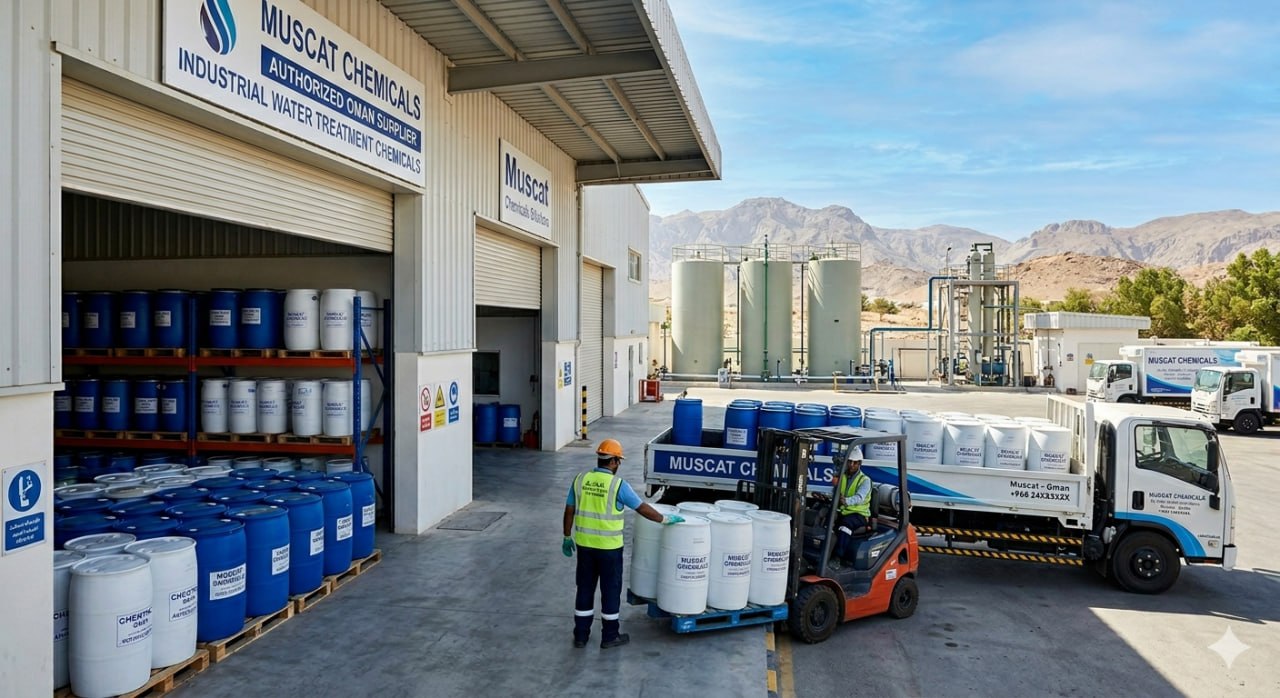
Muscat Chemical stands out as a dependable option for businesses seeking a trusted water treatment chemicals supplier in Oman. The company supports industrial and commercial needs with a practical approach focused on product availability, operational reliability, and sector relevance. For buyers looking for dependable water treatment support, Muscat Chemical offers the kind of consistent supply and local understanding that matters in real operations.
The value of a supplier is measured not only by the products offered, but by consistency over time. Muscat Chemical’s role in the market is especially relevant for customers seeking industrial treatment solutions, RO support chemicals, and broader maintenance-oriented chemical supply in Oman.
A well-managed chemical treatment program improves more than water quality. It supports overall equipment health, protects capital assets, and improves process predictability. Heat exchangers perform better when scale is controlled. Pipelines and vessels last longer when corrosion is minimized. Cooling systems operate more efficiently when fouling is reduced. RO plants benefit from lower cleaning frequency and better membrane life when the right antiscalants and cleaning chemicals are used. These are measurable business benefits, not just technical preferences.
As businesses in Oman continue to prioritize efficient operations, the demand for dependable treatment chemicals will only increase. Suppliers that can support this demand with consistency and practical service will remain essential partners.
If your business is searching for a reliable water treatment chemicals supplier in Oman, it is important to choose a partner that offers both product quality and dependable support. Water treatment directly affects system performance, maintenance cost, equipment life, and operational continuity. A good supplier helps businesses reduce risk and improve efficiency over the long term.
Muscat Chemical serves this need by supporting customers in Oman with practical water treatment solutions, consistent chemical supply, and local market relevance. For companies that need reliable products for boilers, cooling towers, RO systems, wastewater processes, and industrial maintenance, choosing the right supplier can make a substantial difference. In a market where performance and reliability matter every day, the right water treatment chemicals supplier is not optional—it is essential.

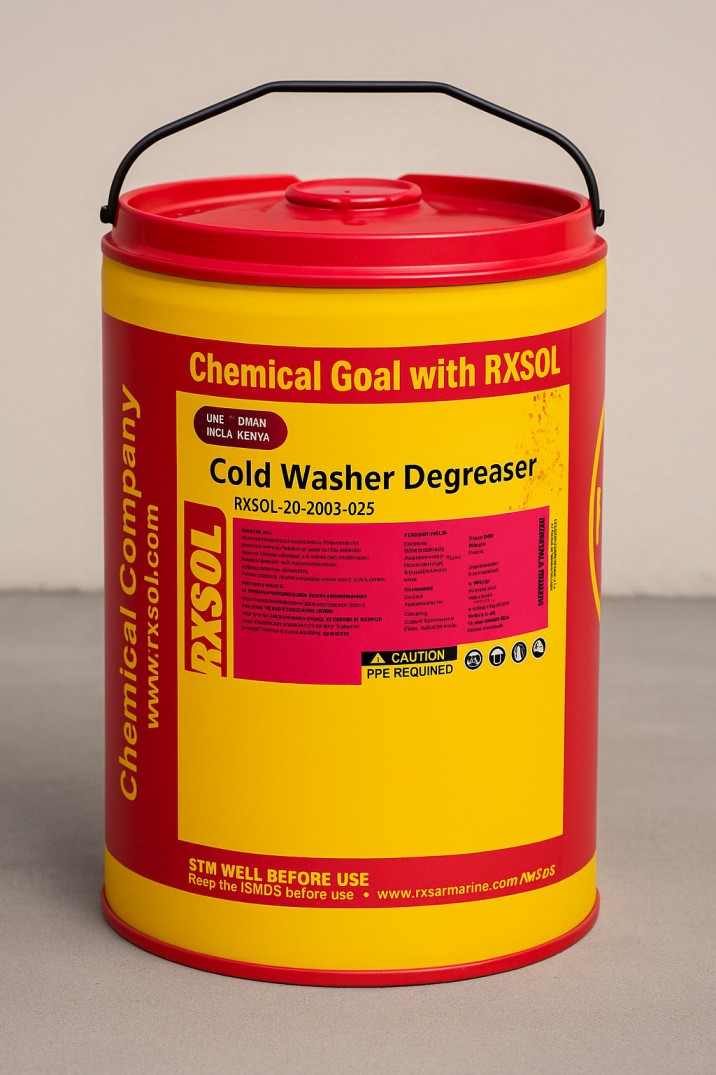
CHEMICAL DEGREASER, COLD WASHER DEGREASER HD 25LTRS / CAN
When it comes to marine maintenance and engine room cleaning, Cold Washer Degreasers are indispensable. Designed to tackle heavy-duty grease, oil, carbon deposits, and sludge, these chemicals are essential for ship operators, offshore platforms, and industrial users alike. In Muscat, Oman, the demand for high-performance marine chemicals has been on the rise—especially for Cold Washer Degreasers that deliver global standards with regional availability.
Splits after cleaning, releasing the oil phase for reclamation. Powerful degreaser with quick penetration and good emulsifying properties. The emulsifying agents in this product are biological degradable. Does not contain nonyl phenol ethoxylates or other estrogenic compounds. Effective on mineral oils and petroleum based residues. Safe to use on most metal surfaces and painted surfaces. Removes oil contamination from machinery, engine parts and bilges. Soak cleaning of machinery parts. Rapid rinsing, leaves clean and oil-free surfaces.
Marine engine rooms
Ship decks and bilges
Offshore rigs
Mechanical workshops
Port-side maintenance stations
Marine environments are harsh. They demand cleaning agents that are not only strong and fast-acting but also safe for crew, equipment, and the environment. A high-quality marine cold washer degreaser should be:
If you’re looking for a reliable marine chemical manufacturer in Muscat, Oman, offering Cold Washer Degreasers—look no further than Oman Chemicals – Oman Division. Known for their presence across GCC countries, OMAN CHEM is a trusted name in the marine industry for delivering cost-effective, and high-performance degreasers.
Ready-to-use or concentrated formulations
Quickly breaks down oil, grease, sludge, and grime
Safe for manual cleaning and high-pressure spray systems
Suitable for cargo hold cleaning, engine degreasing, and machine part washing
Available in 25 L, 50 L, and 210 L HDPE drums
Customizable formulation available for fleet or offshore clients
Tank Cleaning: Cleans fuel tanks, hydraulic tanks, and cargo residues
Engine Room Maintenance: Removes carbonized oil and stubborn grease
Bilge Cleaning: Dissolves oily sludge in bilges
Deck Cleaning: Degreases winches, cranes, and gearboxes
Parts Washing: Excellent for use in cold water parts washers
If your fleet, shipyard, or offshore team is searching for a dependable Cold Washer Degreaser in Muscat, Oman, Oman Chemicals understands the needs of the marine sector. Whether you require a degreaser for routine maintenance or intensive tank cleaning, choose a supplier offering quality, compliance, and consistency.

Oman Chemical is leading one Largest Supplier,Distributor,&n

Oman Chemical is leading one Largest Supp
Marine Oil Field, Industrial, Water Treatment Chemicals etc.
Oman's Chemical Division, MBBT Muscat Barka BusinessTrading Chemical Company
Whatsapp No
0096893960629 (Pl. note Accounts/Technical validity is determined solely through email; conversations on WhatsApp are not considered valid.)
Email: To get EXPERT suggestions and reply... USE EMAIL only, Not Whatsapp
omanchem.com @ gmail.com
theomanchem @ gmail.com