Sodium Bisulfite
Oman Chemical is leading one Largest Supplier,Distributor,&n


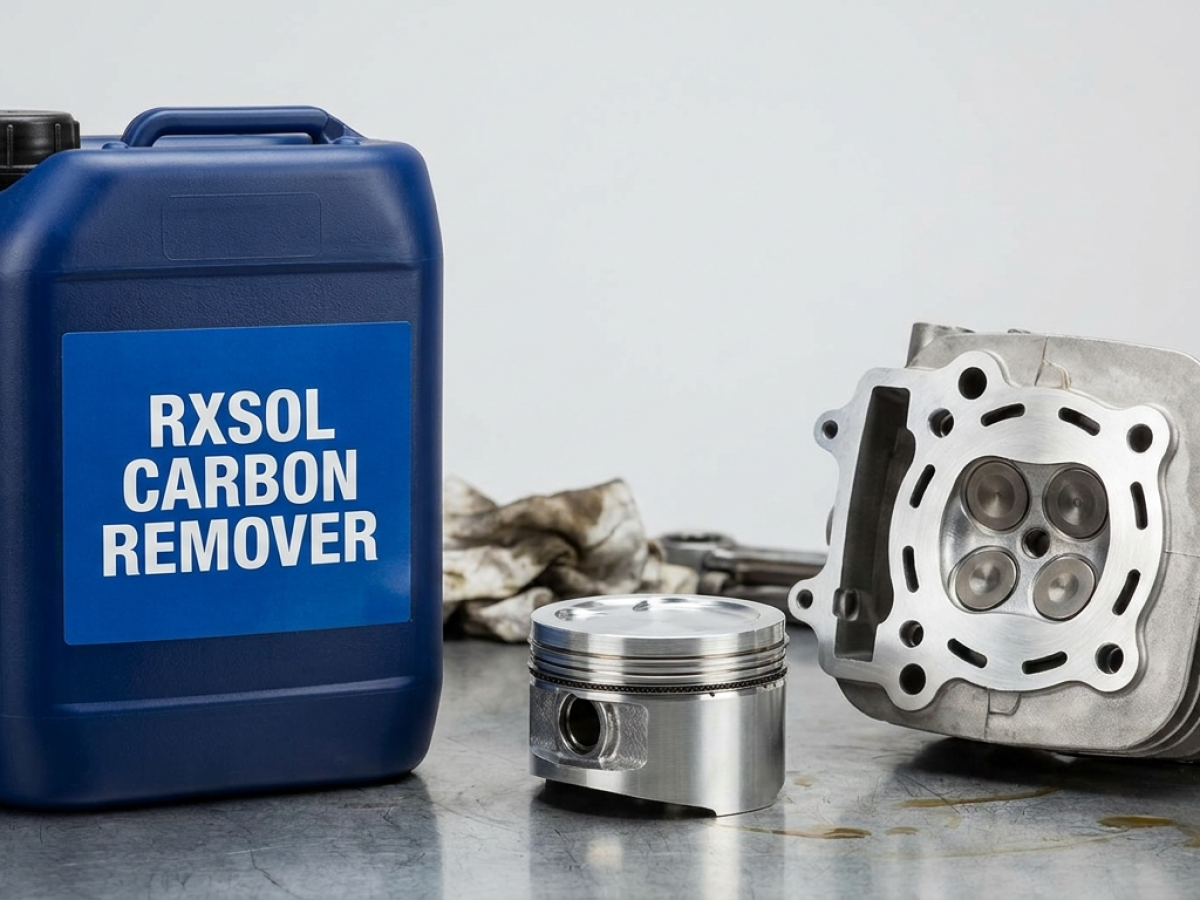
Carbon remover is a specialized cleaning chemical designed to dissolve, loosen, and lift stubborn carbon deposits, burnt oil residue, soot, varnish, and combustion by-products from metal parts. In workshops, fleet maintenance facilities, marine service operations, and industrial repair environments, carbon remover helps restore components that would otherwise lose efficiency, overheat, or fail prematurely. For buyers searching for a reliable carbon remover in Oman, understanding the product's uses and selection criteria is the best way to improve maintenance outcomes while controlling downtime.
At Oman Chem, we regularly support industrial buyers, service contractors, and engine maintenance teams that need dependable cleaning solutions for heavily fouled parts. Whether the job involves pistons, cylinder heads, injectors, valves, exhaust-side components, or carbon-coated engine housings, the right carbon remover can save labor time and improve part condition before reassembly.
Carbon remover is a formulated cleaner used to break down baked-on deposits created by fuel combustion, oil oxidation, and high-temperature exposure. These deposits tend to bond tightly to metal surfaces, especially in engines, burners, boilers, compressors, and exhaust systems. A good carbon remover works by penetrating the deposit layer, softening it, and making it easier to brush, rinse, wipe, or pressure-clean away.
In practical terms, carbon remover is used when ordinary degreasers are not enough. A standard degreaser may remove oil and loose grime, but hardened carbon needs a stronger chemistry designed for deposit removal rather than simple grease cutting.
Carbon remover is widely used across automotive, marine, industrial, and power-related maintenance operations. In Oman, demand often comes from workshops handling diesel engines, marine service facilities, industrial equipment maintenance, and technical procurement teams responsible for planned shutdown cleaning products.
During engine servicing, carbon deposits often build up on pistons, cylinder heads, combustion chambers, and exhaust-side components. Carbon remover helps technicians clean these parts more effectively before inspection and reassembly.
Marine engines are exposed to heavy-duty operating cycles, heat, and fuel-related residue. Carbon remover is useful for cleaning parts affected by persistent combustion deposits in service yards and engine maintenance routines.
Carbonized residue can appear on parts used in compressors, burners, heating systems, and mechanical assemblies operating at high temperatures. Carbon remover supports deep maintenance cleaning when deposits interfere with performance.
Many maintenance teams use carbon remover as part of a periodic cleaning schedule to reduce buildup before it becomes severe. This can lower manual scraping time and support better inspection quality.
Choosing the right carbon remover in Oman is not just about cleaning speed. It is also about protecting component life, reducing labor, and improving maintenance consistency.
One of the biggest advantages of carbon remover is that it reduces the need for aggressive scraping. By softening the residue first, it becomes easier to clean parts thoroughly with less effort.
Deposits can hide cracks, wear, pitting, and heat damage. Once the carbon layer is removed, technicians can inspect the metal surface properly and make better maintenance decisions.
A well-performing carbon remover can shorten cleaning cycles, which matters for workshops, fleets, and industrial service teams working to return equipment to operation quickly.
If technicians rely only on hard scraping or abrasive methods, sensitive surfaces may be scratched or worn. Carbon remover helps reduce that risk by loosening deposits before manual cleaning.
For buyers and maintenance managers, standardizing on a dependable carbon remover can simplify purchasing and improve consistency across service jobs. Oman Chem often helps procurement teams choose a solution aligned with their cleaning method, contamination severity, and material compatibility.
Not every deposit-removal product is suitable for every job. Buyers should evaluate both the contamination and the cleaning process before ordering.
Light fouling and heavy baked-on deposits require different cleaning strength. For heavily carbonized components, buyers should look for a product designed specifically for strong deposit penetration.
Always check whether the carbon remover is suitable for the metals and surfaces being cleaned. Compatibility matters for aluminum, steel, coated surfaces, and mixed-material assemblies.
Consider how the product will actually be used:
The best carbon remover for a workshop may differ from the best option for field maintenance or marine service jobs.
Maintenance teams should review the product label and SDS before use. Proper gloves, eye protection, ventilation, and handling procedures should always be part of the cleaning workflow.
For regular maintenance operations, availability matters as much as chemistry. Oman Chem supports customers looking for carbon remover in Oman with practical supply continuity and product guidance, helping buyers avoid delays during service schedules.
To get strong results, teams should combine the right chemical with the right cleaning procedure.
Industrial and workshop buyers often need more than a product label. They need a supplier that understands application fit, purchasing timelines, and practical use cases. Oman Chem works with maintenance-driven customers who need chemical products that match real operating conditions, not generic catalog descriptions.
By sourcing carbon remover through Oman Chem, buyers can align product choice with application needs such as engine-part cleaning, workshop maintenance, or industrial deposit removal. That helps reduce trial-and-error purchasing and improves confidence at the point of use.
Carbon remover is an essential maintenance chemical when carbon deposits, burnt oil residue, and soot start affecting performance, inspection quality, and repair efficiency. For engine workshops, industrial maintenance teams, and procurement professionals, choosing the right carbon remover in Oman can lead to cleaner parts, faster servicing, and better maintenance results.
If you are evaluating carbon remover for workshop, marine, or industrial use, Oman Chem can help you identify a practical solution for your cleaning process and operating needs. For any inquiries, email us at support@omanchem.com or reach out to us on +968 99489269.
Image suggestions:

Oman Chemical is leading one Largest Supplier,Distributor,&n

Oman Chemical is leading one Largest Supp
Marine Oil Field, Industrial, Water Treatment Chemicals etc.
Oman's Chemical Division, MBBT Muscat Barka BusinessTrading Chemical Company
Whatsapp No
0096893960629 (Pl. note Accounts/Technical validity is determined solely through email; conversations on WhatsApp are not considered valid.)
Email: To get EXPERT suggestions and reply... USE EMAIL only, Not Whatsapp
omanchem.com @ gmail.com
theomanchem @ gmail.com